Franciacorta Abroad: How Italian Wineries Conquer Global Markets
Wines Export Redaktion · Zuletzt aktualisiert:
Franciacorta, synonymous with Italian sparkling wine excellence, represents a significant market opportunity for wineries looking to expand their international presence. Its reputation for quality, linked to rigorous production methods and a unique terroir, makes it a sought-after product by foreign buyers. Entering international markets requires meticulous preparation, from understanding product specificities to managing the complex documentation necessary for export. This article provides an essential guide for Franciacorta wineries looking abroad, analyzing the key elements for international success. Further insight: OIV — International Organisation of Vine and Wine.
Why is Franciacorta an Export Excellence?
Franciacorta's perception of quality is its most important calling card in international markets. This excellence is based on several factors intrinsic to the territory and its production, ensuring a product sought after by foreign buyers.
- Metodo Classico and Aging: Franciacorta is exclusively produced using the Metodo Classico, which involves a second fermentation in the bottle and a long period of aging on the lees. This process gives the wine aromatic complexity, fine bubbles, and significant aging potential, all highly appreciated characteristics.
- Unique Terroir: The morainic hills of Franciacorta offer soil rich in minerals and an ideal microclimate for growing Chardonnay, Pinot Noir, and Pinot Blanc grapes. This combination of soil and climate contributes to Franciacorta's distinctive organoleptic profile, making it recognizable.
- Rigorous Regulations: The Franciacorta Consortium, founded in 1990, oversees the application of extremely strict production regulations. This ensures the authenticity and consistent quality of the product, a crucial element for building trust in foreign markets. The 2025 edition marked the Consortium's 35th anniversary.
Wineries that excel in Franciacorta production are not just those that adhere to the regulations but those that best express their territory's potential, innovating while respecting tradition and aiming for consistent, recognizable quality.
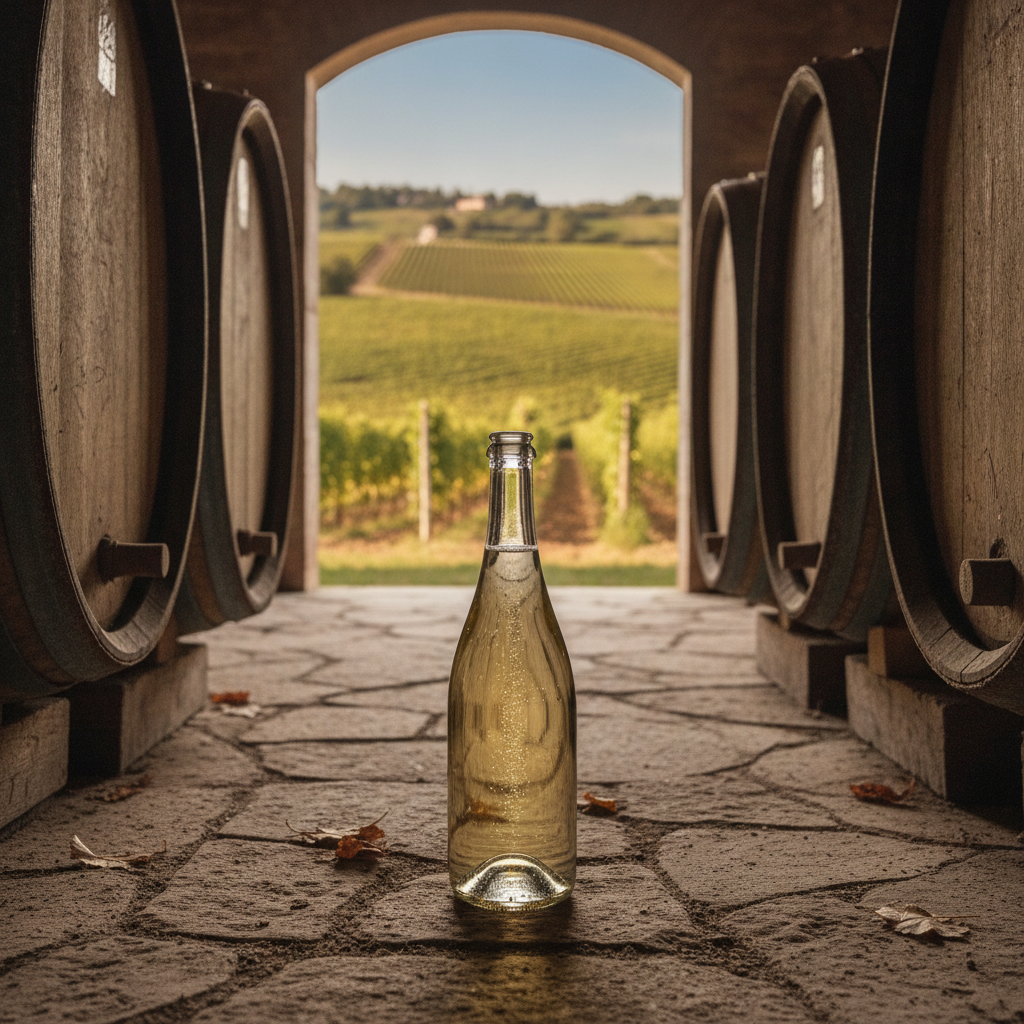
What are the Ideal Conditions for Wine Storage?
While Franciacorta is a wine intended for relatively young consumption, its optimal storage, both in the cellar and during transport, is crucial for preserving its characteristics. The best wineries, in terms of infrastructure, are those that offer a controlled environment for maturation and storage.
Historically, ideal cellars have been described as structures carved into rock or limestone, with thick walls plastered with hydraulic lime. Northward orientation of openings and the presence of ventilators near the floor were indicated as elements for healthy aeration.
Optimal environmental conditions for wine storage include:
- Controlled Temperature: It is recommended to maintain temperatures between +4°C in winter and +16°C in summer. Excessive variations can compromise the wine's quality.
- Adequate Humidity: Excessive ventilation can lead to rapid wine evaporation, while poor aeration can encourage the formation of mold and harmful pests. The use of gases like sulfur dioxide can be employed to prevent these issues.
- Moderate Light: Wine dislikes direct light, so cellars should be dimly lit.
What Documents are Essential for Exporting Wine from Italy?
Entering foreign markets requires impeccable documentary preparation. Regardless of the destination, there are universal documents that every Italian winery must have ready before initiating any export negotiations.
What Corporate and Compliance Documents are Needed?
Even before contacting a buyer, the winery must ensure it has the necessary corporate and compliance documentation available. These documents are often requested by buyers for their internal due diligence checks.
- VAT Number and Business Register Extract (Visura Camerale): Up-to-date, these are essential to attest to the company's regularity.
- Production Licenses and Enological Compliance: Ministerial authorizations and registration in the DOP/IGP vineyard register, if applicable, are necessary to operate legally.
What Commercial and Shipping Documents are Required?
Once contact is established with a potential buyer, commercial and shipping documentation becomes crucial for finalizing the agreement.
- Transport Documents: Depending on the shipping method, documents such as the Bill of Lading (for sea freight) or the Air Waybill (for air freight) will be required.

What Market Strategies and Sales Channels are Most Effective for Franciacorta?
Franciacorta, with an average shelf price of €24.45 per bottle in 2025, positions itself in the high-end market segment. Export growth, at 5.3% in 2025, highlights significant potential, with Switzerland, Japan, and emerging markets like Belgium and the Netherlands showing strong expansion.
For a Franciacorta winery aiming for export, it is essential to choose the most suitable sales channels and strategies to achieve its objectives.
- Niche and Emerging Markets: Countries like Japan are demonstrating strong progress in Franciacorta imports. Analyzing market data, such as that provided by the Franciacorta Consortium, is essential for identifying growth opportunities.
- B2B Approach: It is important to remember that the target audience is buyers and importers, not the end consumer. Communications must be professional and focused on the commercial and qualitative aspects of the product, highlighting its added value.
Frequently Asked Questions
What is the average price of a bottle of Franciacorta on the market?
In 2025, the average retail shelf price of a bottle of Franciacorta is €24.45.
What are the fastest-growing foreign markets for Franciacorta?
The fastest-growing foreign markets for Franciacorta include Switzerland, Japan, Belgium, and the Netherlands.
What are the main factors that define the quality of Franciacorta?
The quality of Franciacorta is defined by its Metodo Classico, the unique terroir of the morainic hills, and the rigorous production regulations overseen by the Franciacorta Consortium.
The "best Franciacorta wineries" for export are those that combine a high-quality product, an authentic expression of their territory, with solid commercial and documentary preparation. Understanding the needs of international markets, careful logistical management, and a targeted communication strategy are indispensable elements for success.
Wines Export supports Italian wineries on this journey, offering the tools and knowledge necessary to navigate the complexities of wine export. From preparing documentation to finding qualified commercial partners, our goal is to facilitate access to global markets, enhancing the excellence of Italian wine.