Piedmontese Wines: Strategies for Bringing Your Wineries to International Markets
Wines Export Redaktion · Zuletzt aktualisiert:
Piedmont, with its rich winemaking tradition, offers wine producers a unique heritage to be leveraged in international markets. For Piedmontese wineries aiming for export, a thorough understanding of territorial specificities, the demands of foreign buyers, and operational strategies is essential for success. This article provides a practical guide to facing export challenges and seizing opportunities, focusing on the elements that make Piedmontese wines particularly appealing globally. In-depth look: OIV — International Organisation of Vine and Wine.
What are the distinctive characteristics of Piedmontese wines for export?
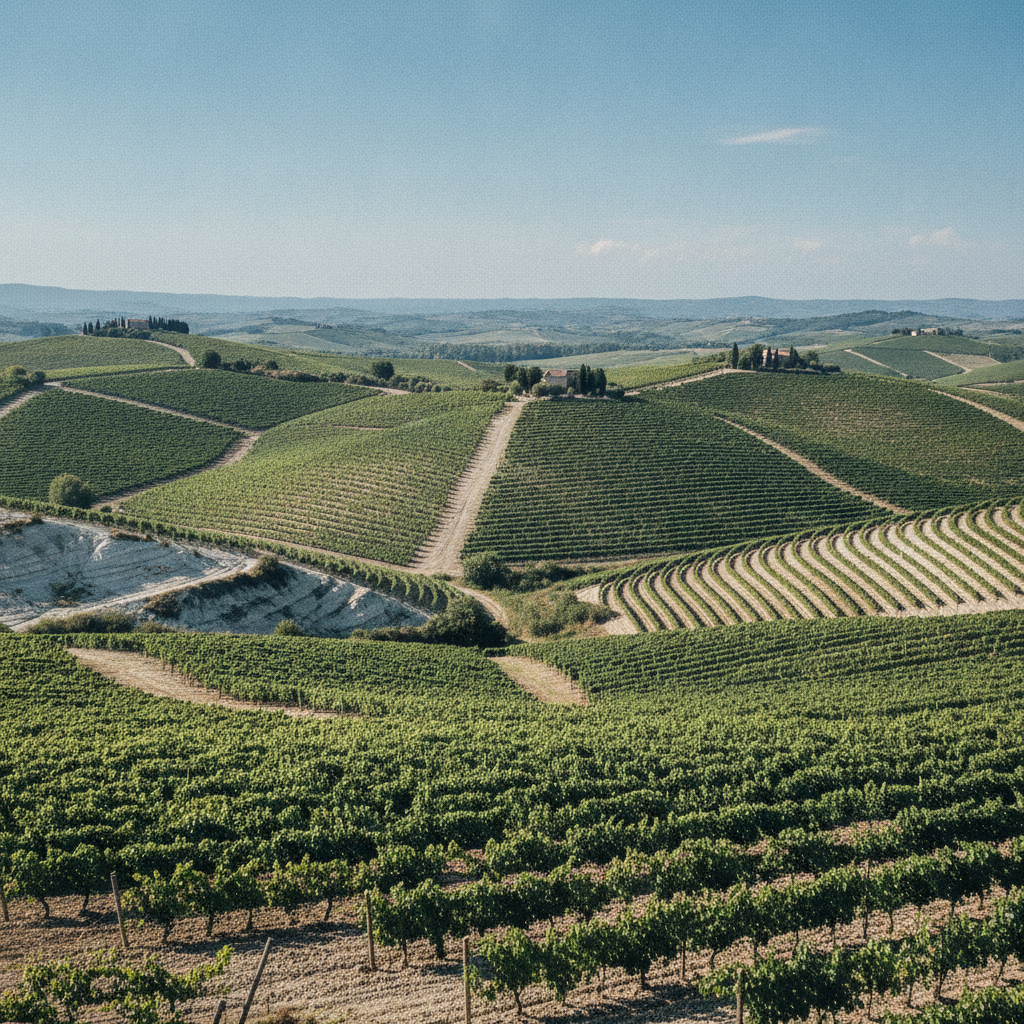
Piedmontese wines are distinguished by a unique, predominantly hilly terroir, with calcareous and alkaline soils that impart fruity notes and aromatic complexity. The region boasts a history of exporting "fine" products like Vermouth and sparkling wines, demonstrating an industrial and commercial inclination. Although acidity may be perceived differently by foreign markets, careful management of the harvest and winemaking process allows for the creation of balanced and appreciated wines. Piedmont's diverse ampelographic base, including varieties like Dolcetto, Freisa, and Cortese, enables a wide range of offerings to meet international demands.

What are foreign buyers looking for in Piedmontese wines?
Foreign buyers seek wines that offer authenticity and reflect their region of origin. The unique characteristics of the Piedmontese terroir, its history, and innovation are key factors. A mid-to-high-end positioning is often a winning strategy, as it responds to a structurally growing demand for quality products. There is increasing interest in fine and specialized products that highlight refined production processes and offer added value.
How can the quality and authenticity of the Piedmontese region be highlighted?
Communicating the connection between wine and territory is fundamental. Piedmont's unique geological and climatic characteristics, combined with grape variety selection, create distinctive aromatic and taste profiles. These elements differentiate Piedmontese wines from mass-produced items and tell a story that resonates with international consumers seeking authentic experiences.
What is the most effective market positioning for Piedmontese wines?
A mid-to-high-end positioning is generally a winning strategy for Piedmontese wines. This market segment shows structural growth and allows for the valorization of the product's intrinsic quality, justifying a higher price and ensuring more attractive profit margins compared to low-cost wines.
How can Piedmontese wines focus on fine and specialized products?
Piedmont has a well-established tradition in exporting fine products, such as Vermouth and sparkling wines. This specialization can be further enhanced by focusing on wines that require more refined production processes and offer significant added value. The ability to produce sought-after "blending" wines in foreign trade, thanks to the naturally high sugar content of Italian grapes, is another aspect to consider.
How can Piedmontese wineries adapt to foreign market regulations and specific demands?
It is essential for wineries to be prepared to meet the specific regulations of each foreign market, which may concern labeling, wine composition (e.g., sulfites), and certificates of analysis. Collaboration with local importers,
Frequently Asked Questions
What are the characteristics of the Piedmontese terroir that make its wines unique for export?
Piedmontese wines are distinguished by a predominantly hilly terroir, with calcareous and alkaline soils that impart fruity notes and aromatic complexity. The region's diverse ampelographic base, with varieties like Dolcetto, Freisa, and Cortese, allows for a wide range of offerings to meet international demands.
What are foreign buyers looking for when purchasing Piedmontese wines?
Foreign buyers seek wines that offer authenticity and reflect their region of origin, highlighting the region's history and innovation. There is growing interest in fine and specialized products that tell a story and offer added value.
How can Piedmontese wineries effectively communicate the quality and authenticity of their wines abroad?
Communicating the connection between wine and territory is fundamental, emphasizing Piedmont's unique geological and climatic characteristics and grape variety selection. These elements differentiate Piedmontese wines from mass-produced items and create a narrative that resonates with international consumers in search of authentic experiences.