Roero: The Rules of the Denomination and Exporters' Interest
Wines Export Redaktion · Zuletzt aktualisiert:
Roero, a Piedmontese wine region in the province of Cuneo, is strongly emerging in international markets. Located on the left bank of the Tanaro river, this territory offers wines with a distinct identity, based on indigenous grape varietals and a rigorous production specification. Understanding the specifics of the Roero denomination and the expectations of foreign buyers is crucial for Italian wineries aiming for export, allowing them to best position their products and seize global growth opportunities. In-depth analysis: Federdoc — Confederazione Nazionale Consorzi Tutela Denominazioni Vini Italiani.
What is the Roero denomination and what are its characteristics?
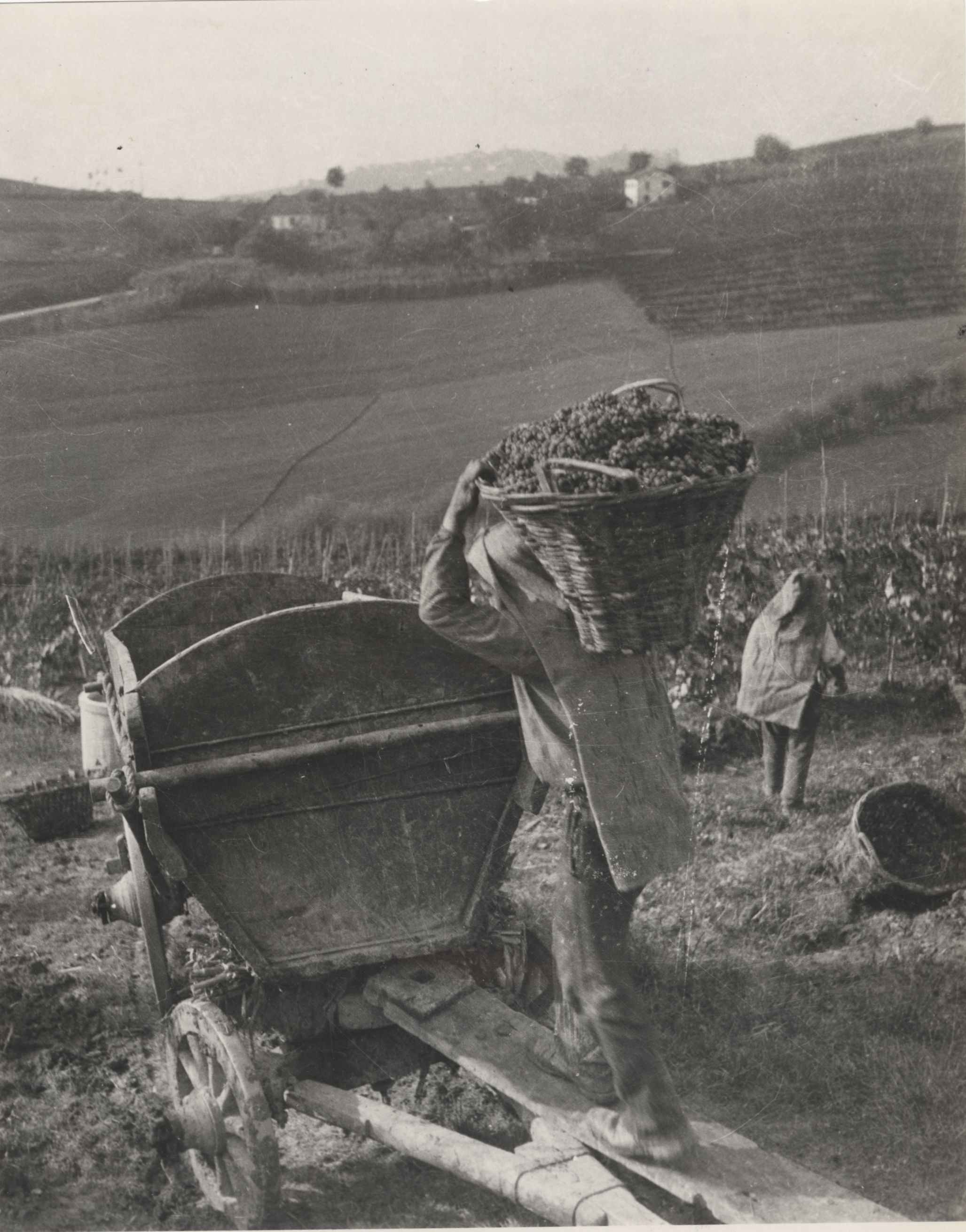
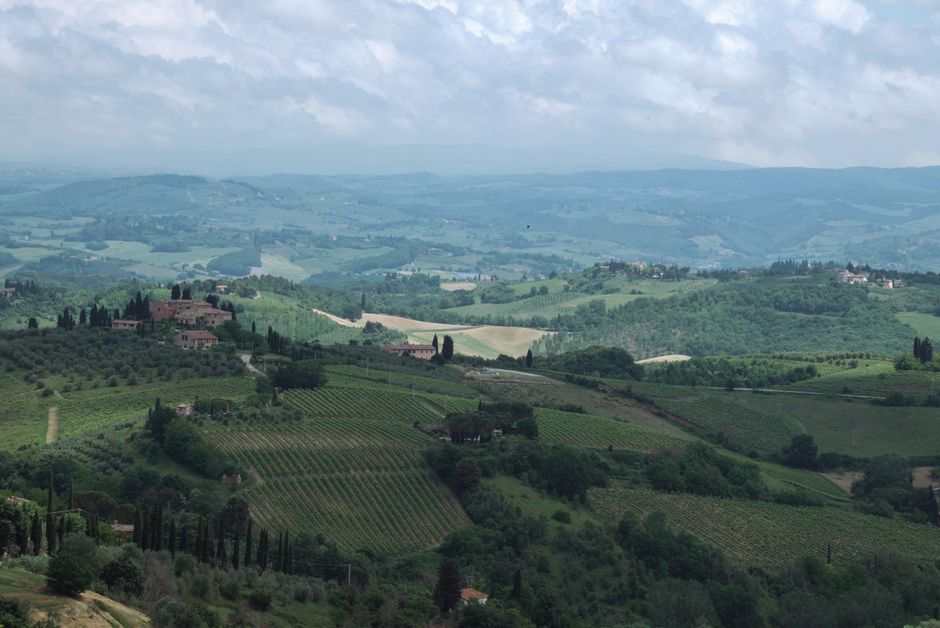
The Roero denomination, established as a Doc in 1985 and elevated to Docg in 2004, identifies a Piedmontese wine-producing area with a strong territorial identity. Characterized by a unique hilly landscape, this denomination extends over more than 1,370 hectares of vineyards, with a predominance of indigenous grape varietals such as Arneis for whites and Nebbiolo for reds.
What are the types of wine produced under the Roero denomination?
The Roero denomination includes two main types of wine: Roero Arneis Docg, a white wine made from at least 95% Arneis grapes, also available in Riserva and Spumante versions; and Roero Docg, a red wine produced predominantly with Nebbiolo grapes (minimum 95%), also with a Riserva version requiring longer aging.
What is the annual production of the Roero denomination?
The annual production of the Roero denomination is around 8 million bottles, with a prevalence of white wines. Recent data for the 2025 vintage indicate a production of approximately 7,177,782 bottles of Roero Arneis, reflecting market dynamics and vintage performance.
What defines the Roero production specification?
The Roero production specification, in line with European regulations (such as EU Regulation 2024/1143), establishes the rules to ensure quality and origin. It includes the name of the denomination, wine categories, the type of geographical indication (DOP), the description of analytical and organoleptic characteristics, and specific enological practices, ensuring conformity and traceability.
How are changes to production specifications managed?
Changes to production specifications are regulated at the European level and can be "Union amendments" or "ordinary amendments." Ordinary amendments, managed at the national level, can update enological practices or revise geographical delimitations, following a procedure that allows applicants to propose and justify modifications.
What are foreign importers looking for in Roero wines?
Foreign importers are attracted to Roero for its distinctive identity, particularly for Arneis, a white wine with a history of qualitative revival, and for Roero Nebbiolo, which offers a specific territorial profile. The denomination presents growth potential, production versatility between fresh whites and complex reds, and guarantees of traceability and conformity thanks to its rigorous specifications.
What are the key factors that make Roero attractive to the international market?
Roero's appeal to foreign buyers lies in its uniqueness, its growth potential as an emerging denomination, the versatility and quality of its wines (Arneis and Nebbiolo), the traceability guaranteed by its specifications, and, not least, an excellent quality-price ratio compared to other more established Piedmontese denominations.
What role does the Consorzio Tutela Roero play in exports?
The Consorzio Tutela Roero plays a fundamental role in the international promotion of the denomination. It actively works to strengthen Roero's identity and communicate its peculiarities to global buyers and consumers, thereby facilitating access to foreign markets and understanding the value of its wines.
Frequently Asked Questions
What are the main grape varietals used in Roero production?
The main grape varietals used in the Roero denomination are Arneis for white wines and Nebbiolo for red wines.
Does Roero also offer red wines?
Yes, the Roero denomination produces high-quality red wines, mainly from Nebbiolo grapes, under the Roero Docg designation.
What are the distinctive characteristics of Roero Arneis Docg?
Roero Arneis Docg is a white wine characterized by freshness and aromaticity, produced with at least 95% Arneis grapes, and can also be available in Riserva and Spumante versions.
Roero represents an excellent opportunity for Italian wineries wishing to expand their presence in international markets with quality wines and a strong identity.
- Roero Langhe: Leitfaden für den Export italienischer Weine
- Roero Arneis DOCG: Chancen für ausländische Käufer
- Römischer Wein: Reglementierung und Exportchancen
- Valpolicella Ripasso: Regularien und Markt für Importeure
- Piemonteser Rotweine: Ursprungsbezeichnungen und Export
- Refosco: Export und Spezifikationen