Wine from Pozzolengo: Wineries, Appellations, and Market Opportunities for Wine Companies
Wines Export Redaktion · Zuletzt aktualisiert:
Pozzolengo, in the province of Brescia, is a region with a strong wine-growing tradition that offers interesting export potential. Although not immediately associated with world-renowned appellations, its geographical context and the presence of active wineries suggest opportunities for quality wines. This article explores the characteristics of the wine produced in Pozzolengo, the reference appellations, and the prospects for Italian wineries in the international market, focusing on concrete opportunities for growth and internationalization. Learn more: Federdoc — National Confederation of Italian Wine Protection Consortia.
What is the Geographical and Viticultural Context of the Brescia Region?
The province of Brescia, located in the southeast of Lombardy, boasts a rich winemaking history. The territory extends from Lake Garda to the pre-Alpine valleys, offering diverse microclimates and soils ideal for cultivating various grape varieties. Historical sources attest to the presence of large vineyards, particularly for red grapes, in the eastern part of Brescia, known as the Riviera, on the western shore of Lake Garda, highlighting the quality and tradition of vineyards in this area.
Pozzolengo benefits from its proximity to the lake and the favorable pedoclimatic conditions for wine production. The inclusion of Pozzolengo in the list of municipalities associated with specific wine-growing areas suggests its integration into an established and significant production network.
Which Appellations and Grape Varieties Characterize Wine from Pozzolengo?
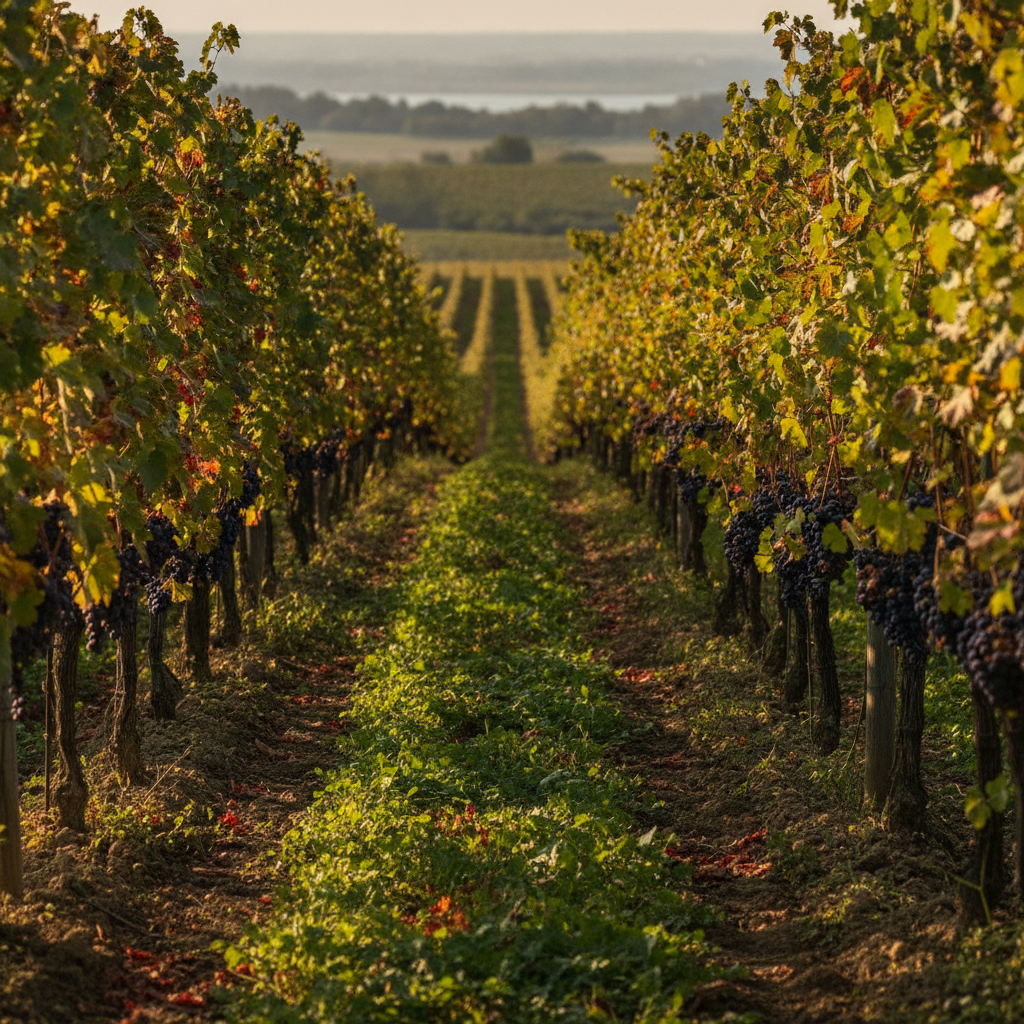
Pozzolengo does not have its own exclusive Denominazione di Origine Controllata (DOC) or Denominazione di Origine Controllata e Garantita (DOCG). However, its geographical location places it close to significant wine-producing zones. Its proximity to Lake Garda and its belonging to the province of Brescia suggest a potential connection with appellations such as Lugana, which spans Lombardy and Veneto, and other Lombard denominations.
The grape varieties cultivated in these areas are diverse. Historical documents and production regulations mention a variety of grapes, both red and white. Among the grape varieties mentioned in similar geographical contexts or in documents listing grapes for Italian winemaking, we find:
- White Grape Varieties: Chardonnay, Pinot Bianco, Pinot Grigio, Sauvignon, Riesling, Traminer, Ribolla, Verduzzo, Erbaluce, Cortese, and other native or international varieties.
- Red Grape Varieties: Merlot, Cabernet Franc, Cabernet Sauvignon, Pinot Nero, Corvina, Corvinone, Refosco dal peduncolo rosso, Ancellotta, Barbera, Bonarda, and others.
The specificity of wines from Pozzolengo likely lies in the local interpretation of these grape varieties, influenced by the area's unique terroir. Highlighting wines produced from indigenous and prestigious local grape varieties underscores the importance of local specialties.
Which Wineries Operate in Pozzolengo and What Potential Do They Offer?
The presence of active wineries in Pozzolengo is a fundamental indicator of the territory's wine-growing potential. These entities represent the heart of local production and are key players in export opportunities.
The Wine Museum curated by Agriturist, located at a local winery with significant annual bottle production, testifies to an approach that values wine culture and hospitality. These elements are increasingly appreciated by foreign markets, offering a strength for internationalization.
What is the Export Potential for Wines from Pozzolengo?
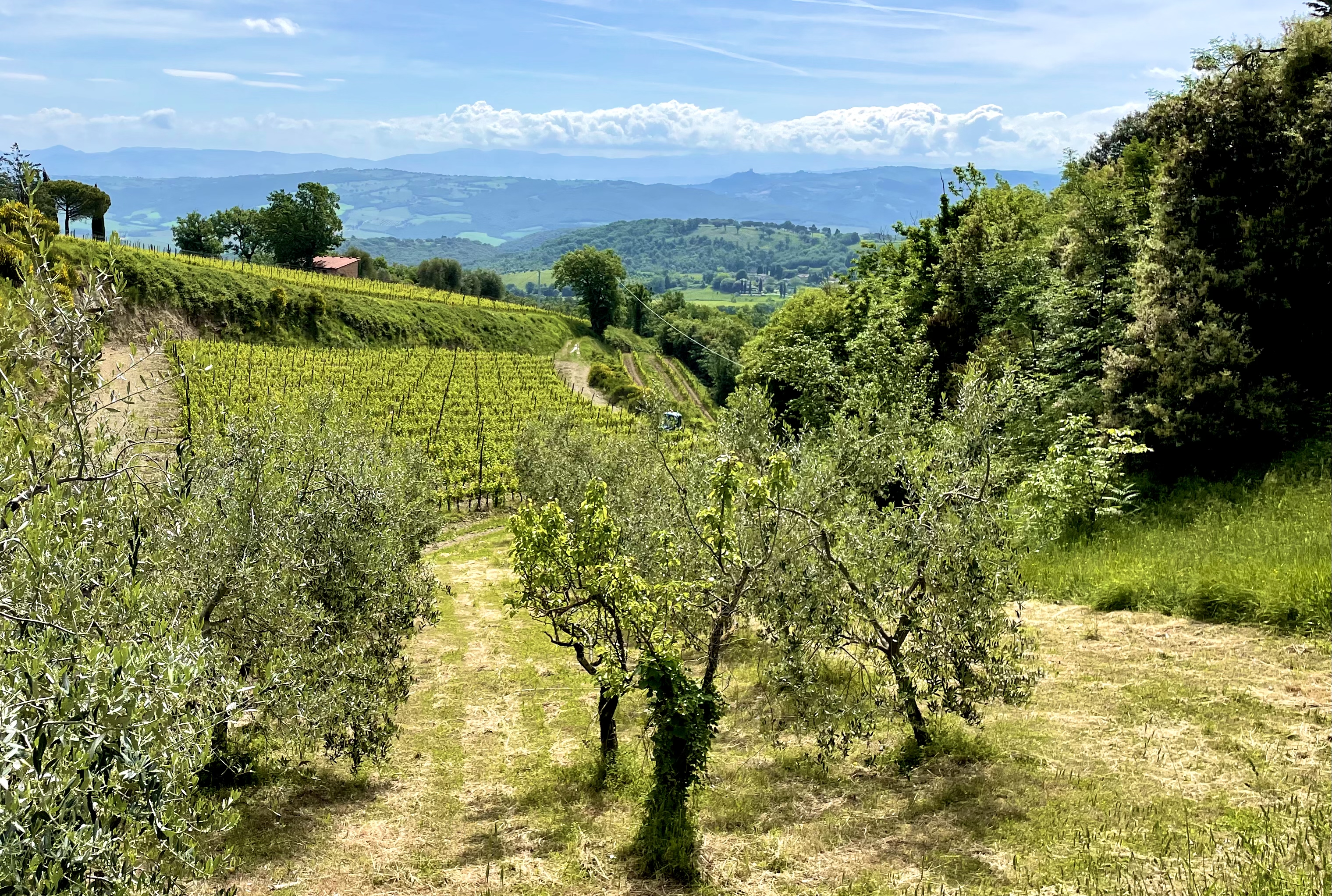
The Italian wine market abroad is vast and diversified, with Italy playing a global role thanks to the quality of its products. For wineries located in areas like Pozzolengo, which may not yet have consolidated international recognition, exporting represents a strategic path for growth.
Factors influencing wineries' propensity to export include belonging to producer clusters, wine quality, and the company's legal status. The presence of several Pozzolengo wineries in the Wines Export pool reflects a desire for growth and internationalization already underway among these companies.
For wineries in Pozzolengo, export potential can be maximized through:
- Terroir Valorization: Communicating the unique characteristics of the Pozzolengo territory, its climate, soils, and indigenous or local grape varieties, can attract importers and consumers seeking authenticity.
- Focus on Quality: Investing in production quality, from the vineyard to the cellar, is crucial for competing in international markets. Adopting refined winemaking practices can be a strong point.
- Building Relationships with Importers: Wineries that invest in building a solid relationship with a reliable local importer can benefit from a market with higher growth margins. Establishing strategic partnerships with importers in target markets is essential.
- Participation in International Events and Trade Fairs: Being present at industry events allows for showcasing products to an international audience of operators and buyers.
Conclusions and Future Prospects
Pozzolengo, despite being a less renowned municipality in the Italian wine landscape compared to other regions, possesses the characteristics to establish itself as a territory of interest for wine production and export. Its geographical location, the presence of active wineries, and potential integration into broader appellations offer a solid foundation for development.
The various Pozzolengo wineries present in the Wines Export pool are a positive sign, indicating a desire for growth and internationalization. By leveraging terroir valorization, focusing on quality, and building strong relationships with international partners, wines from Pozzolengo have all the makings to conquer new markets and strengthen the presence of "Made in Italy" worldwide.
Frequently Asked Questions
What are the typical grape varieties cultivated in the Pozzolengo area?
In the Pozzolengo area and its surroundings, various white and red grape varieties are cultivated. Among the white grapes are Chardonnay, Pinot Bianco, Pinot Grigio, and Sauvignon, while red grape varieties include Merlot, Cabernet Franc, Cabernet Sauvignon, and Pinot Nero, among others.
Are there specific appellations for wine produced in Pozzolengo?
Pozzolengo does not have an exclusive appellation of origin. However, its geographical position places it near relevant wine-growing areas, suggesting a potential connection with appellations such as Lugana, which spans Lombardy and Veneto, and other Lombard denominations.
What are the key factors for the export success of Pozzolengo wines?
For export success, it is essential to valorize the unique terroir of Pozzolengo, consistently focus on production quality, build strong relationships with reliable importers in target markets, and actively participate in international events and trade fairs to increase product visibility.