Sardinian Wine Abroad: Opportunities and Strategies for International Importation
Sardinian wine presents a unique opportunity for foreign buyers and importers seeking authenticity, quality, and a strong connection to the land. The island, with its distinctive terroir and native grape varieties, produces wines of character that are gaining international recognition. This guide is designed to provide essential information for navigating the import process, from the characteristics of the wines to regulations, and strategies for building solid partnerships with Sardinian wineries. Understanding the specificities of Sardinian wine is the first step to successfully integrating these distinctive labels into your portfolio, meeting the growing global demand for valuable food and wine products. In-depth information: Federdoc — Confederazione Nazionale Consorzi Tutela Denominazioni Vini Italiani.
What are the Distinctive Characteristics of Sardinian Wines?
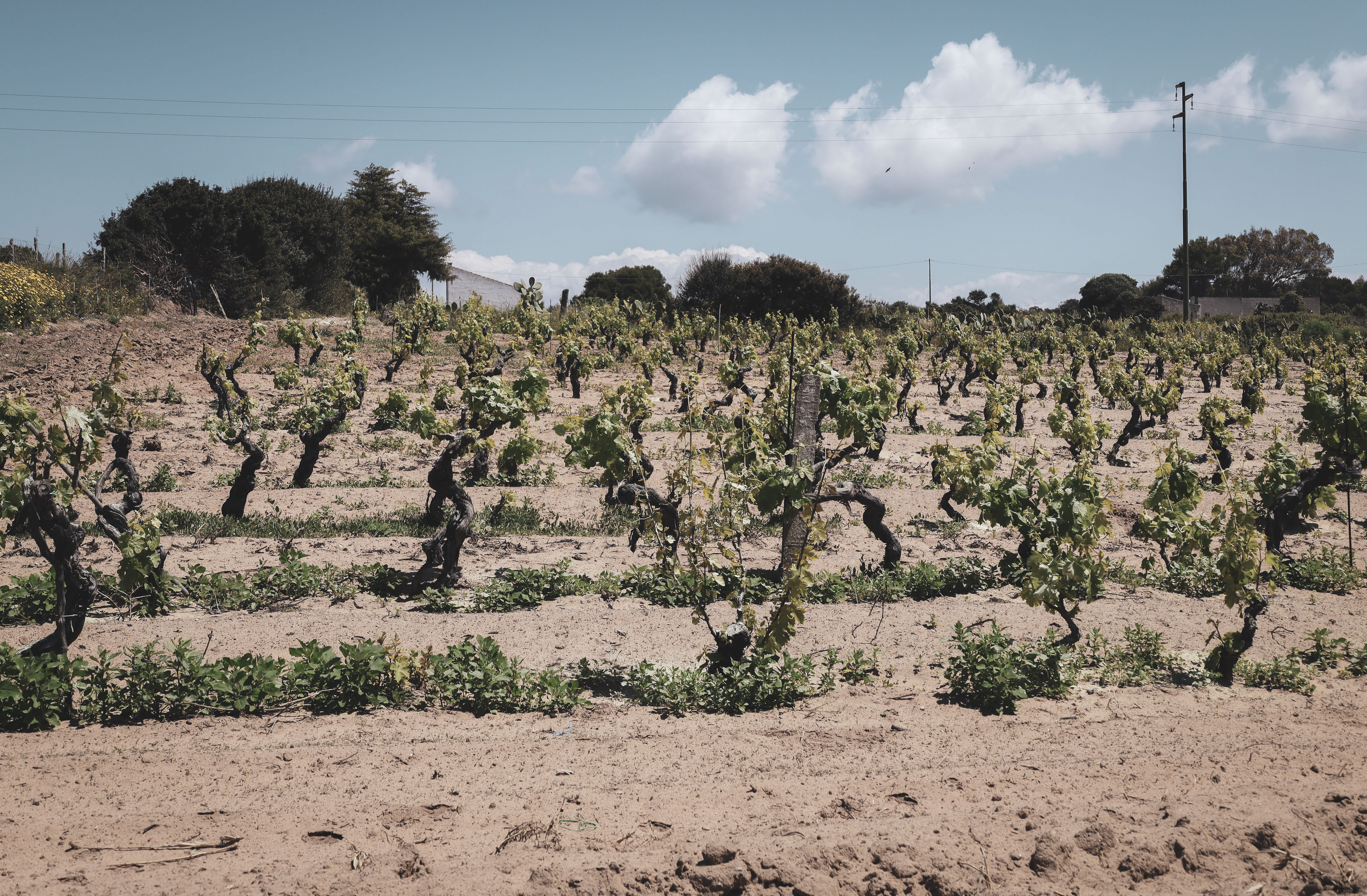
Sardinian wines are an expression of a unique terroir, characterized by a Mediterranean climate, sea breezes, and volcanic and granite soils. Their native ampelographic heritage gives them a decisive personality, a remarkable structure, and the ability to tell the story of their place of origin.
Red Grape Varieties: Cannonau, Monica, and Carignano
Cannonau is the symbolic grape variety of Sardinia, giving rise to full-bodied, warm wines with notes of ripe red fruit, spices, and a pleasant minerality. Monica produces fresher, more fragrant wines with floral and fruity scents. Carignano, often grown in coastal areas, yields robust wines with elegant tannins and notes of blackberry and licorice.
White Grape Varieties: Vermentino and Other Natives
Sardinian Vermentino, especially in coastal areas, is renowned for its freshness and aromatic profile, with notes of citrus, white flowers, and a characteristic saline minerality. Other native grape varieties such as Nuragus, Arruva, and Malvasia further enrich the diversity of Sardinia's winemaking offerings.
Product Range: From Dry to Sweet and Sparkling
Sardinian wine production ranges from dry still wines to sweet passito wines and sparkling wines. This variety allows for meeting the needs of different markets and consumers, offering a complete range for every occasion.
What Regulations and Documents are Necessary for Exporting Wine from Sardinia?
Exporting wine from Italy to foreign markets requires in-depth knowledge of the customs and documentary regulations specific to each destination country. EU regulations provide a framework, but each non-EU market has unique requirements.
Essential Documentation for Import
Foreign buyers and importers generally require a set of documents for customs clearance, including: a detailed commercial invoice, shipping documents (such as a bill of lading or air waybill), a certificate of origin (issued by the Chamber of Commerce, or EUR.1 for countries with preferential agreements), an import customs declaration, a wine analysis certificate, and labeling that complies with EU and importing country regulations.
Labeling Compliance and Specific Requirements
Labeling must comply with both EU regulations and those of the importing country. This includes indicating ingredients, allergens (sulfites), alcohol content, volume, origin, and producer. Some markets may require specific translations or the inclusion of "health warnings." For markets like Estonia, it is advisable to confirm with the importer the language obligations, any health warnings, and extended nutritional information.
What Market Opportunities Exist for Sardinian Wines Abroad?
Sardinia boasts a network of dozens of wineries active in export, with growing interest in international markets. A diverse pool of buyers covers a wide range of countries, demonstrating the global demand for quality and authentic wines.
Buyers' Search for Authenticity and Quality
International buyers seek wines that offer authenticity and origin, faithfully reflecting the Sardinian terroir and its native grape varieties. Consistent quality, market growth potential, supplier reliability, and marketing support are key factors in their choice.
Building Lasting Partnerships with Sardinian Wineries
Sardinian wineries are ready to establish long-term partnerships with importers who can effectively highlight the uniqueness of their products. A trusting relationship with the importer is critical, especially considering logistical distances and the need for effective local market management.
How to Build a Successful Partnership for Sardinian Wine Export?
Initiating and consolidating a successful partnership requires attention to key steps, from research to communication.
Research and Qualification of the Ideal Partner
It is advisable to identify Sardinian wineries whose products and production philosophy align with your target market. Verifying their export experience and production capacity is essential.
Commercial Offer, Negotiation, and Logistics
The winery will send a detailed proforma invoice as a basis for negotiation on quantities, prices, Incoterms, and payment terms. Clear and transparent communication is essential. Agreeing on the chosen Incoterm and defining logistical responsibilities is crucial.
Effective Communication and Contact Tools
Using English as the lingua franca for commercial and technical communications is recommended. Schedule calls considering time zones and leverage tools like LinkedIn and specialized importer websites as research and contact channels.
Frequently Asked Questions
What are the most important native grape varieties from Sardinia for export?
The most representative native grape varieties for export include Cannonau for reds, known for its body and minerality, and Vermentino for whites, appreciated for its freshness and minerality. Other varieties such as Monica, Carignano, Nuragus, Arruva, and Malvasia contribute to the diversity of the offering.
What documents are essential for importing wine from Sardinia to a non-EU country?
To import wine from Sardinia to a non-EU country, you generally need: a commercial invoice, shipping documents, a certificate of origin (or EUR.1), an import customs declaration, a wine analysis certificate, and labeling that complies with local regulations.
How can I find Sardinian wineries ready for export?
You can identify Sardinian wineries ready for export through targeted research, using professional platforms like LinkedIn, consulting the websites of specialized importers, and participating in industry trade shows. Direct communication and verification of their export experience are key steps.
Sardinian wine represents an excellent opportunity for foreign buyers and importers seeking high-quality, authentic products with a strong territorial identity. The combination of unique native grape varieties, a prime terroir, and the passion of Sardinian producers creates wines capable of conquering the most demanding palates. Establishing a partnership with island wineries requires attention to regulatory and logistical details, but the benefits in terms of offering differentiation and end-customer satisfaction are considerable.
Are you a foreign buyer or importer interested in discovering the richness of Sardinian wine?
Request a personalized demo and discover how we can facilitate your importation of authentic wines from the island.