Complete Guide to Exporting Sicilian Wines from the Province of Trapani
The province of Trapani, with its rich winemaking heritage and wineries that blend tradition and innovation, represents an excellent opportunity for the export of high-quality wines. This article is an essential guide for Trapani wineries aiming to expand their presence in international markets. We will analyze the requirements, necessary documentation, market strategies, and specific opportunities to enhance the unique wines of this Sicilian land, helping you successfully navigate the complex world of wine export. In-depth look: Federdoc — Confederazione Nazionale Consorzi Tutela Denominazioni Vini Italiani.
What is the enological heritage of the province of Trapani suitable for export?
The province of Trapani boasts a millennia-old winemaking tradition, favored by a Mediterranean climate and diverse soils. Among the flagship wines for export are Marsala DOC, known worldwide for its versatility, and wines produced from native grape varietals like Grillo, Catarratto, and Inzolia, appreciated for their freshness and territorial identity.
Red grape varietals such as Nero d'Avola and Perricone offer full-bodied and structured wines, capable of competing in the most demanding market segments. Furthermore, IGT Terre Siciliane wines allow wineries to experiment and offer a flexible range of products suitable for various price points, highlighting both native and international grape varietals. The key to standing out is the intrinsic quality of the product and an authentic narrative of its origins.
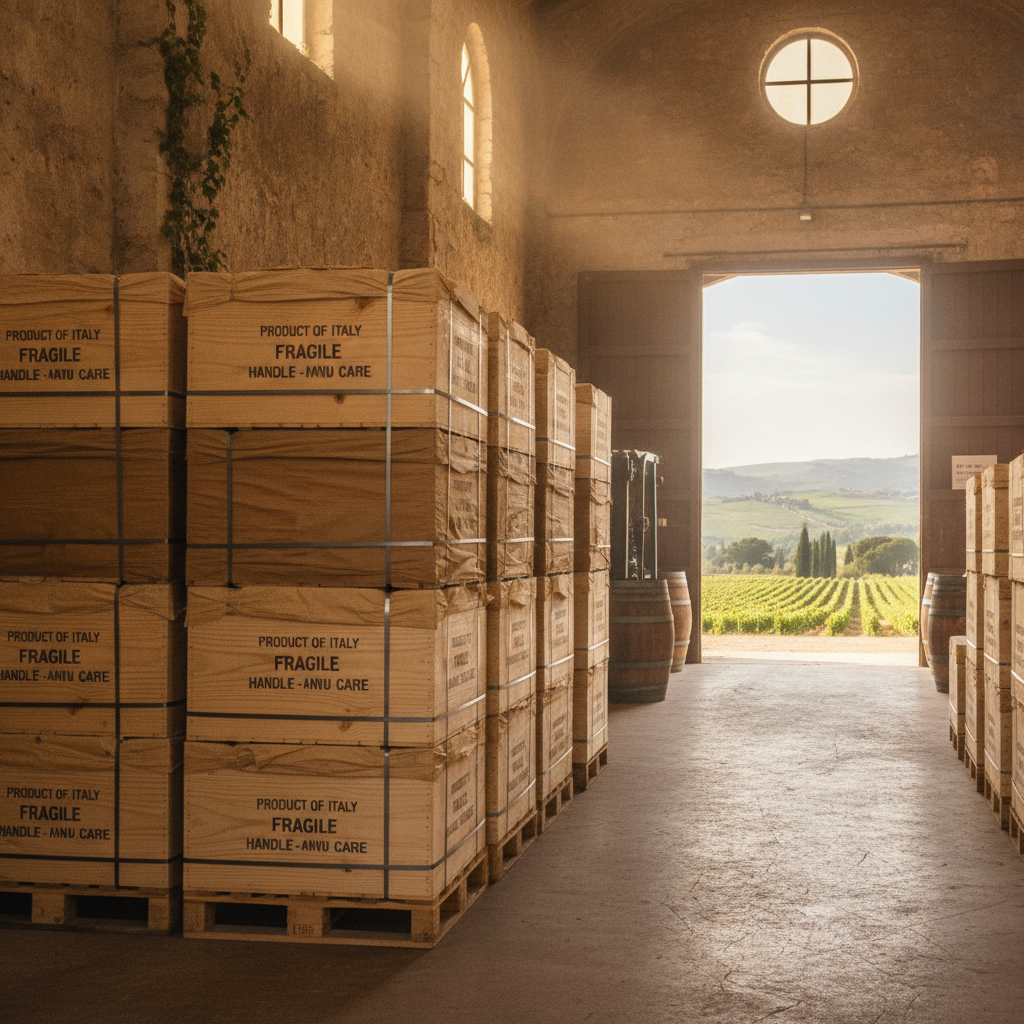
How is the operational process from negotiation to delivery managed for wine export?
Wine export requires a meticulous process that begins with buyer qualification and concludes with the delivery of goods. It is essential to verify the reliability of the potential buyer, their commercial registration, and any necessary licenses for the import of alcoholic beverages. Subsequently, a proforma invoice is sent to define the commercial terms, including products, quantities, prices, and Incoterms.
The next phase involves preparing shipping documentation, which varies by country and typically includes a commercial invoice, packing list, certificate of origin, and insurance policy. For high-risk markets, payment instruments such as a Documentary Letter of Credit offer greater security. Careful management of each step is crucial to ensure a smooth transaction and prevent problems.
How is a foreign buyer qualified for wine export?
Qualifying a foreign buyer is a crucial step to minimize risks. It is necessary to verify their commercial registration in the destination country, their possession of licenses for importing alcoholic beverages, their bank or trade references, and their import history. A credit risk assessment through specialized services or insurance like SACE can provide further assurance.
What documents are essential for customs clearance of a wine shipment abroad?
Essential documents for customs clearance include the Commercial Invoice, which details the product, quantity, value, and HS code (Chapter 2204 for wine). The Packing List itemizes the physical contents of each package, while the Certificate of Origin attests to the country of production. The Insurance Policy/Certificate covers potential damages during transport, if stipulated by Incoterm or chosen voluntarily. It is essential to check the specific documentation list for each destination country.
Which payment instruments offer greater security in international wine transactions?
For markets with high credit risk or with buyers without a consolidated history, a Documentary Letter of Credit (DLC) offers maximum security. This instrument commits a bank to pay the exporter provided that documents conforming to international rules are presented. Documentary Collection is another option where documents are released to the buyer only after payment or acceptance of a bill of exchange.
What are the main market opportunities for wineries in Trapani?
Wineries in the province of Trapani can find significant opportunities in various markets. Traditional markets like Germany, the UK, and the USA continue to offer space for quality wines with a strong territorial identity, requiring promotional material in English and verification of labeling requirements (e.g., TTB for the USA).
Emerging markets such as China and Brazil present high growth potential but require careful understanding of local regulations, labeling, and consumer preferences. For European markets like Albania, Greece, and Cyprus, it is important to inquire about any state monopolies, select competent local distributors, and prepare the specific documentation required (e.g., e-AD or e-SAD for Greece).

How does Wines Export support wineries in the export process?
Wines Export actively supports Italian wineries, including those in the province of Trapani, in facing export challenges. Our pool of producers benefits from access to detailed information on foreign markets, assistance in preparing necessary documentation, and targeted marketing strategies. Collaborating with Wines Export allows wineries to overcome bureaucratic and logistical obstacles, focusing on producing excellent wines and building lasting relationships with international buyers.
Frequently Asked Questions about Wine Export from Trapani
What are the native grape varietals from the province of Trapani most in demand in foreign markets?
Native white grape varietals like Grillo, Catarratto, and Inzolia are gaining international appreciation for their freshness and territorial identity. Among red grape varietals, Nero d'Avola and Perricone are valued for their full-bodied and structured wines.
Is a certificate of origin required to export wine from the province of Trapani?
Yes, a Certificate of Origin is often required by customs authorities to attest to the country of production of the wine, especially for the application of preferential tariffs or for statistical purposes.
What are the specific labeling requirements for wines to be exported to the United States?
To export to the United States, it is essential to verify the compatibility of labels with the TTB (Alcohol and Tobacco Tax and Trade Bureau) requirements before committing to product availability.
The province of Trapani possesses an enological heritage of great value, ready to conquer international markets. Approaching export requires preparation, knowledge of regulations, and a clear strategy. Wines Export is the ideal partner to guide Trapani wineries on this journey, offering personalized consultancy and concrete support.