Val d'Aosta Wines: Opportunities for Foreign Importers
For foreign buyers and importers seeking distinctive Italian wines, the Aosta Valley offers a unique opportunity. This alpine region embodies heroic viticulture, producing characterful labels distinguished by their freshness, aromatic complexity, and aging potential. Understanding the peculiarities of the territory, the production regulations, and market dynamics is crucial for successfully integrating these wines into your portfolio, meeting the growing demand for niche, high-quality products. Explore further: Federdoc — National Confederation of Italian Wine Denomination Protection Consortia.
Why is Viticulture in the Aosta Valley Considered "Heroic"?
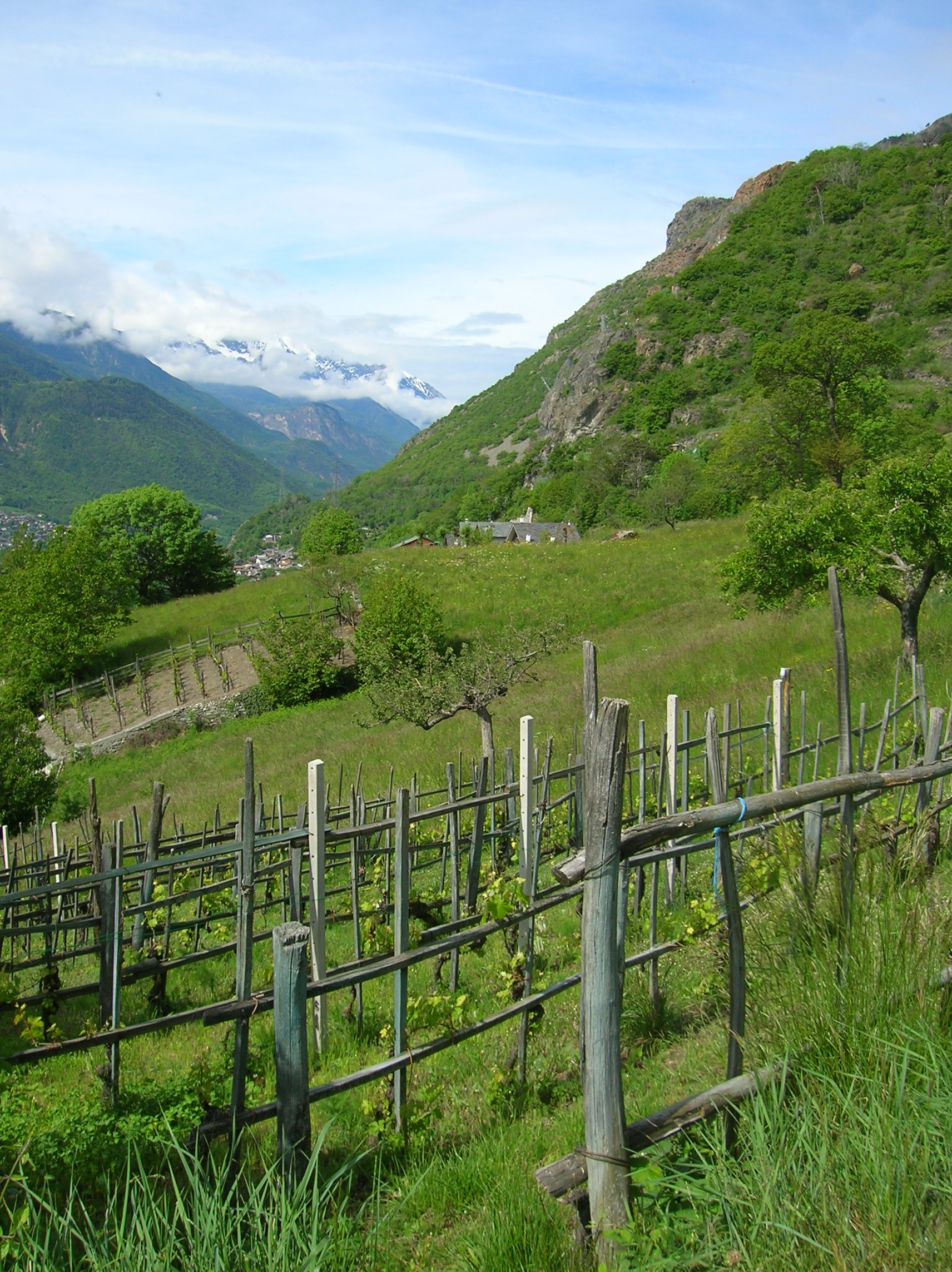
Viticulture here is defined as "heroic" due to the extreme conditions. Vineyards thrive on steep mountain slopes, at high altitudes (300-1,000 meters), with varying exposures and an alpine climate. The significant diurnal temperature variations impart pronounced acidity, aromatic freshness, and remarkable aging capacity to the wines.
The fragmentation of the territory and limited vineyard extent, coupled with the necessity for manual labor, make wine production in the Aosta Valley an art requiring dedication and a deep understanding of the terroir. The total vineyard area is approximately 180 hectares, with an annual production of around 6,000 hectoliters. Despite its modest size, the region boasts remarkable diversity in grape varietals, both indigenous and international, which adapt splendidly to the mountain environment.
What are the Production Regulations for Aosta Valley Wines?
The Aosta Valley is a single Denominazione di Origine Controllata (DOC) that encompasses the entire region. All wines produced within the regional territory can bear the denomination "Valle d'Aosta DOC," provided they adhere to the specific production regulations for different types and grape varietals.
The regulations define the permitted production zones, usable grape varietals, maximum yields per hectare, winemaking practices, and the organoleptic characteristics of the wines. This uniformity, combined with the diversity of grape varietals, allows for a range of wines that faithfully reflect the territory.
Which Indigenous Grape Varietals Characterize the Aosta Valley?
Among the most representative indigenous grape varietals are:
- Prié Blanc (or Blanc de Morgex): A white-berry grape varietal, cultivated at the highest altitudes in Europe, yielding fresh, aromatic, and mineral wines.
- Petite Arvine: A white-berry grape varietal that produces aromatic wines with notes of grapefruit, white flowers, and a characteristic salinity.
- Fumin: A red-berry grape varietal, known for its intense color and spicy notes, often used in blends or as a single varietal.
- Cornalin: Another indigenous red-berry grape varietal, which offers structured wines with aromas of red fruits and spices.
- Vuillermin: A red-berry grape varietal with interesting aging potential.
Alongside these, the region also successfully cultivates international grape varietals such as Pinot Noir, Gamay, Chardonnay, Sauvignon Blanc, and Merlot, which express themselves with unique notes thanks to the specific alpine microclimate.

What Do Foreign Buyers Look for in Aosta Valley Wines?
Importers and foreign buyers seeking Aosta Valley wines are typically looking for uniqueness and authenticity, with wines that stand out from the crowd and have a story to tell. They appreciate the quality guaranteed by strict regulations and the aging potential. They seek products ideal for premium market niches, such as high-end restaurants and specialized wine shops, which desire exclusive labels. The gastronomic versatility of Aosta Valley wines, owing to their freshness and complexity, makes them perfect for pairing with a wide range of dishes.
What Are the Main Market Opportunities for Aosta Valley Wines Abroad?
The international market for Aosta Valley wines is growing, driven by the increasing demand for niche, high-quality Italian products. Countries such as the United States, Canada, Germany, Switzerland, and the Scandinavian markets show particular interest in these labels.
For importers, it is essential to understand the logistical specificities related to production in a mountainous area. Export logistics, while potentially presenting challenges due to the fragmentation of the territory and the small size of wineries, are manageable through careful planning. Collaboration with experienced wine freight forwarders is crucial to ensure wines reach their destination while maintaining their integrity.
The operational phases for wine export, from commercial negotiation to delivery, follow a well-defined flow. It is essential for the winery and the importer to clearly define payment terms, Incoterms (such as FOB or CIF), and responsibilities related to duties, taxes, and certifications. Shipping documentation, including commercial invoice, packing list, certificate of origin, and transport document, must be prepared meticulously to avoid customs delays.
Frequently Asked Questions
What are the most important indigenous grape varietals of the Aosta Valley?
The most representative indigenous grape varietals include Prié Blanc, Petite Arvine, Fumin, Cornalin, and Vuillermin.
What is the total vineyard area of the Aosta Valley?
The total vineyard area of the region is approximately 180 hectares.
Which foreign markets are most interested in Aosta Valley wines?
Countries such as the United States, Canada, Germany, Switzerland, and the Scandinavian markets show particular interest.
The Aosta Valley offers a fascinating and rich viticultural landscape. For foreign buyers and importers, investing in wines from this region means bringing excellent products to their market, authentic expressions of a unique territory and heroic viticulture.