Malvasia Candia: Value
Malvasia Candia is an Italian grape variety with significant export potential, thanks to its history, versatility, and distinctive aromatic profile. Italian wineries can leverage these characteristics to expand their presence in international markets, offering an authentic and high-quality product. Understanding its origins, ampelographic peculiarities, and market potential is crucial for an effective export strategy. In-depth information: MASAF — National Register of Vine Varieties.
What are the Historical Origins of Malvasia Candia?
The name "Malvasia" derives from the ancient Greek city of Monembasia. While the origin of the name is clear, the individual Malvasia varieties are more nuanced. Its spread in Italy is linked to the Republic of Venice, which helped bring it from Monembasia to Crete and then to Italy. The first traces in Istria date back to around 1300, with extensive cultivation in Friuli and Carso.
What are the Ampelographic Characteristics of Malvasia Candia?
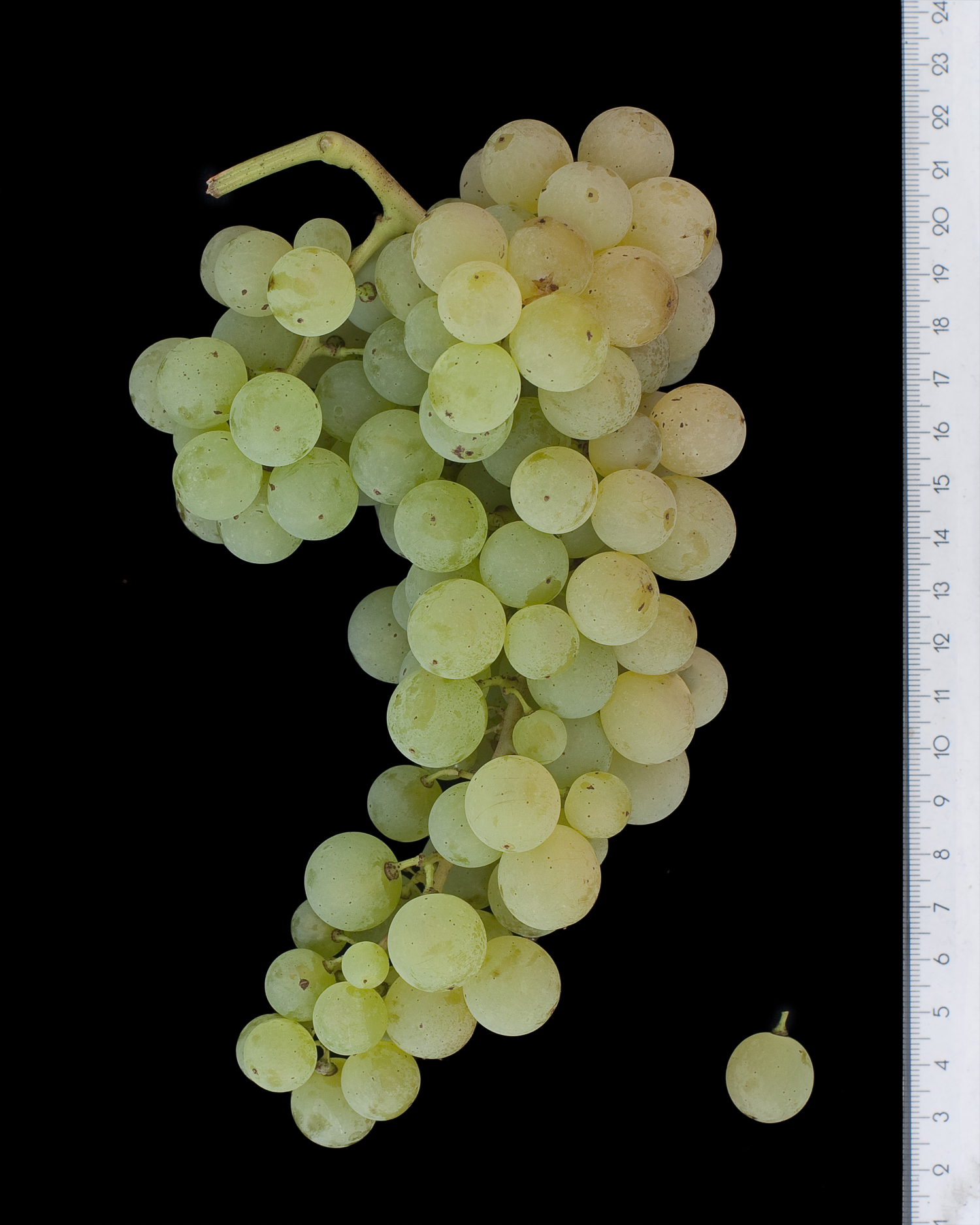
Malvasia Candia has a medium-expanded and pubescent shoot tip with bronzed edges. The adult leaves are medium-large, pentagonal, slightly trilobed or almost entire, and glabrous. The sinuses are shallow, and the teeth are pronounced. The bunch is medium-large, cylindrical, sometimes with a wing, and can be compact or semi-loose.
What are the Agronomic Requirements of Malvasia Candia?
This grape variety adapts to various soil types, preferring fresh, fertile, and deep soils. It lends itself well to expansive training systems with long pruning. Irrigation can increase production, but potentially at the expense of quality. Bud fertility is around 1.4.
What are the Challenges in Cultivating Malvasia Candia?
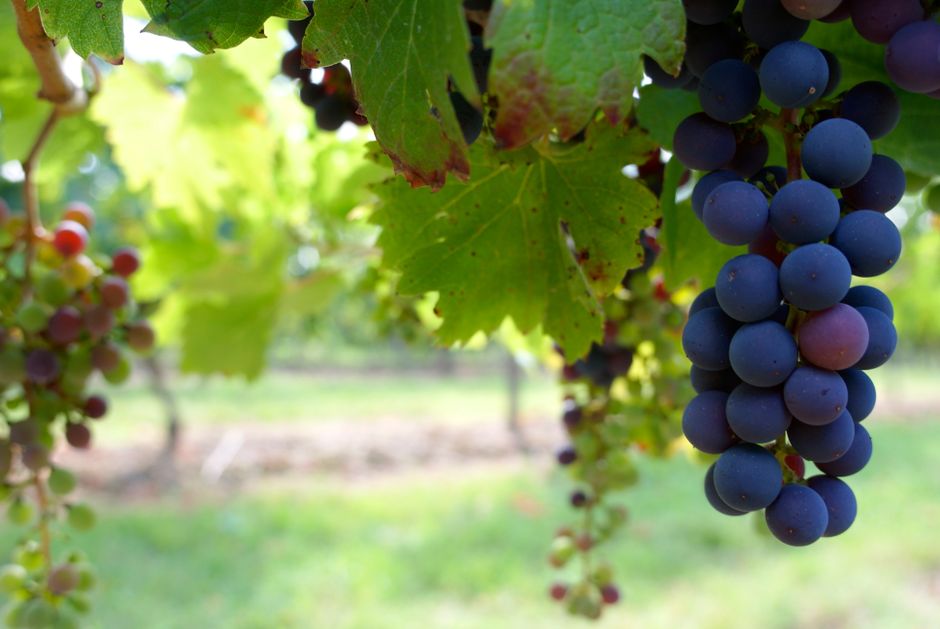
Malvasia Candia is susceptible to diseases such as downy mildew, powdery mildew, and phylloxera. It is also sensitive to atmospheric influences, such as fog, rain, and spring winds, which can cause damage.
What are the Characteristics of Malvasia Candia Must?
The must exhibits an acidity between 7.0 and 10.0 g/L and a variable sugar content between 17.0 and 20.0%. These values contribute to defining the profile of the resulting wine.
What Type of Wine Does Malvasia Candia Produce?
The wine is typically straw-yellow in color, sometimes pale, with greenish reflections. On the nose, it offers fruity, floral, and slightly spicy aromas. On the palate, it is characteristic, harmonious, with balanced acidity and salinity, a light structure, and a possibly delicate bitter note.
In What Wine Types Can Malvasia Candia Be Used?
Malvasia Candia is very versatile and is suitable for both the production of sparkling and still wines. This flexibility makes it an attractive choice for diversifying offerings and reaching different market segments.
What are the Synonyms and Variability of Malvasia Candia?
Malvasia Candia is also known as Malvasia, Malvasia bianca, Malvasia d'Istria, Malvasia friulana, Malvasia del Carso, Malvasia nostrale, Malvasia comune, and Malvasia puntinata. Biotypes referable to this variety also exist, indicating a certain intra-varietal variability.
What is the Export Potential of Malvasia Candia?
The export potential is high due to its uniqueness, tradition, production versatility (sparkling and still wines), and distinctive aromatic profile. It can satisfy both niche markets and broader segments.
How Can Wineries Leverage Malvasia Candia for Export?
Wineries should focus on effective communication that tells the story and authenticity of the grape variety, while maintaining consistently high quality. It is important to identify foreign markets receptive to aromatic and versatile white wines and to highlight the connection to the production territory.
Frequently Asked Questions
Which Foreign Markets are Most Suitable for Malvasia Candia?
Markets such as Northern Europe, North America, and Asia are potentially receptive to aromatic and versatile white wines like Malvasia Candia, where curiosity for Italian wines is high.
Is Malvasia Candia Suitable for Sparkling Wine Production?
Yes, Malvasia Candia is suitable for both sparkling and still wine production, which increases its versatility and market opportunities.
What are the Main Risks in Cultivating Malvasia Candia Abroad?
The main risks include susceptibility to diseases such as downy mildew and powdery mildew, and sensitivity to adverse weather conditions, which require careful agronomic management.
Malvasia Candia represents a concrete opportunity for Italian wineries seeking to expand their international presence. By leveraging its rich history, versatility, and unique profile, it is possible to conquer new markets and solidify the prestige of Italian wine worldwide.