How to Bring Amarone DOCG to International Markets: Requirements and Strategies for Wineries
Wines Export Editorial · Last updated:
Exporting Amarone della Valpolicella, a prestigious Italian DOCG wine, requires meticulous preparation that goes beyond product quality. Understanding regulations, necessary documentation, and market strategies is crucial for wineries aiming to expand their global presence. This article provides an essential guide to navigating export complexities, ensuring Amarone's excellence reaches international consumers successfully and compliantly. Deep dive: OIV — International Organisation of Vine and Wine.
What is Amarone della Valpolicella?
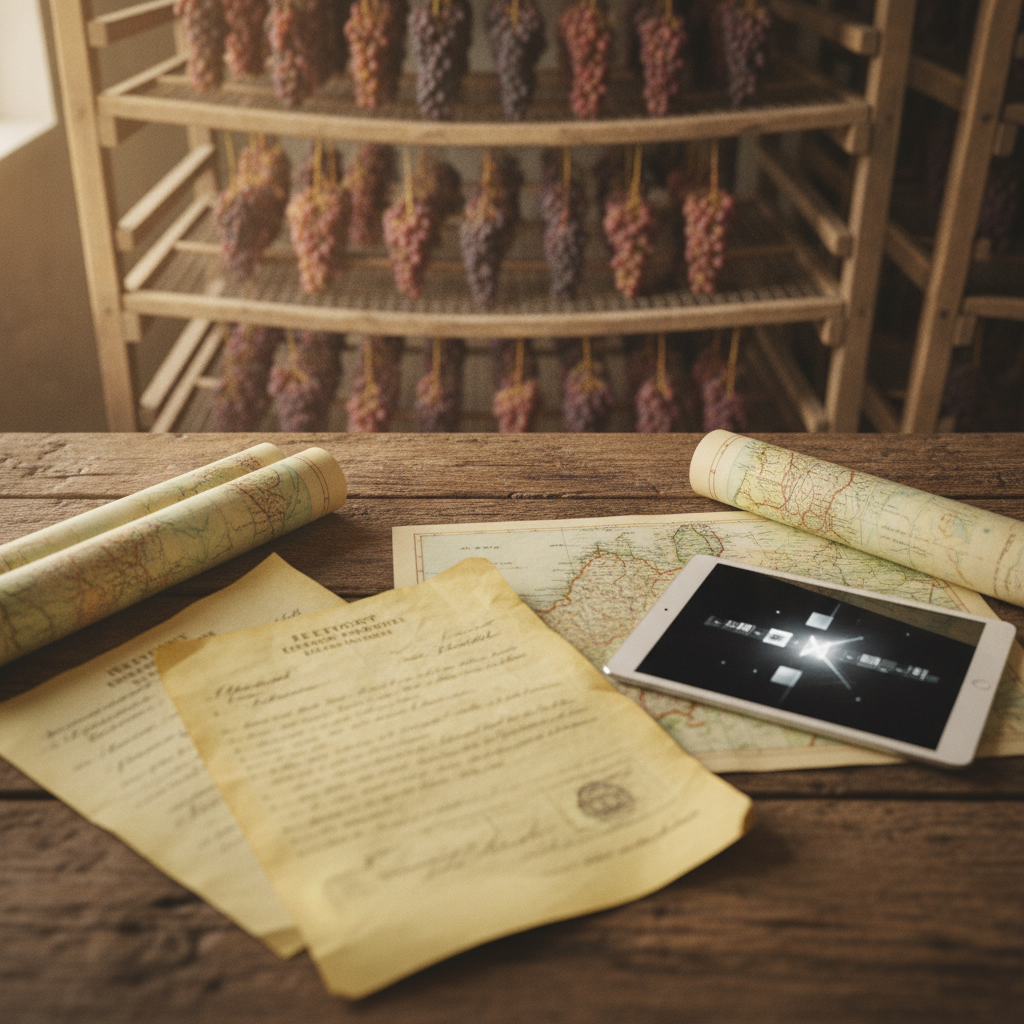
Amarone della Valpolicella is a full-bodied, dry red wine produced in the province of Verona, Veneto. Its uniqueness stems from a winemaking process that begins with partially dried grapes, a traditional method that concentrates sugars, acids, and aromas. This process, known as "appassimento" or "rasinate," can last 2-3 months, causing the grapes to lose up to 40% of their weight.
What Grapes Are Used for Amarone?
The primary grapes are Corvina (45-95%), Rondinella (5-30%), and other approved red grape varieties (up to 25%). Corvina is key to the wine's distinctive organoleptic profile, while prolonged drying refines its aromatic bouquet.
When Was Amarone Born and What is Its Status?
While similar wines existed for a long time, Amarone as we know it today emerged in 1953. It achieved DOC status in 1990 and later DOCG (Denominazione di Origine Controllata e Garantita), the highest category for Italian high-quality wines, in 2009. In 2008, total production for sale (including Recioto) was 8.57 million bottles.
What Documents Are Essential for Exporting Wine?
Exporting wine requires a set of essential documents for proof of carriage, customs clearance, and regulatory compliance. These documents form the foundation for every international shipment.
What Are the Universal Documents for Wine Export?
- Commercial Invoice: Details the product, quantity, value, Incoterm, and HS code (chapter 2204 for wine). Customs uses it to calculate duties and taxes.
- Proforma Invoice: Anticipates order terms and facilitates preliminary negotiations, potentially requested by the buyer for licenses or credit.
- Packing List: Details the physical contents of each package, including weight and volume, and must match the commercial invoice.
- EORI Registration: Mandatory for EU wineries shipping outside the EU, obtained free of charge from the Italian Customs Agency.
How Does the Operational Process for Wine Export Work?
The journey of a winery starting an export negotiation follows a precise sequence of phases, from buyer qualification to delivery.
What Are the Phases of the Operational Flow from Offer to Delivery?
- Buyer Contact and Qualification: Verify the buyer's credibility through their VAT number, alcohol import license, bank/trade references, and import history.
- Commercial Offer and Negotiation: Sending a detailed proforma invoice (products, minimum quantity, price, Incoterm, payment terms) as a basis for negotiation.
- Preparation of Shipping Documents: Once terms are agreed upon, proceed with preparing necessary documents, such as the commercial invoice, packing list, and any specific certificates.
What Are the Specifics for Markets Like Ukraine?
For markets like Ukraine, it is advisable to identify an importer with an active wholesale license and a solid presence in the Horeca channel. It's important to consider a mid-to-high-end positioning, where the demand for quality wines is growing.
How to Position Amarone in Emerging or Recovering Markets?
It is crucial to verify the importer's operational status and updated license before reactivating commercial relationships. Italian wine already enjoys a strong presence in Ukraine, especially in the sparkling wine segment (value share around 39% in 2019/2020), indicating an appreciation for Italian products.
What Are the Trends and Opportunities for Export Diversification?
In an evolving global context, Italian producers seek new commercial outlets. Italian wine exports to 13 monitored emerging markets exceeded €400 million in 2025, according to Nomisma's Wine Monitor report.
How Can Amarone Leverage Export Diversification?
This diversification trend is fundamental for sustainable growth. Amarone, with its excellent profile, can find space in these emerging markets, as well as in mature but not yet saturated markets, with a well-defined export strategy supported by adequate documentation and logistics.

Conclusion: Preparing for Export with Awareness
Exporting Amarone della Valpolicella means bringing an authentic expression of the Italian terroir to the international market. Success is based on combining a high-quality product, a solid understanding of export processes, impeccable documentation, and a targeted market strategy. Every step, from grape selection to customs management, is crucial for consolidating Amarone's global presence.
For further details on documentary and operational specifics for wine export, please refer to the practical guides on international shipping documents and the complete operational flow for wine export.
Frequently Asked Questions
What are the essential documentary requirements for exporting Amarone della Valpolicella outside the EU?
To export Amarone outside the EU, essential documents include the Commercial Invoice, detailing the product, quantity, value, and HS code (chapter 2204 for wine); the Packing List, describing the physical contents of each package; and EORI registration, mandatory for EU wineries shipping to non-EU countries.
How do you qualify a potential international buyer for Amarone export?
Qualifying an international buyer for Amarone involves verifying their credibility through their VAT number, alcohol import license, bank or trade references, and import history. This ensures a secure and compliant transaction.
How can Amarone benefit from export diversification into emerging markets?
Amarone can leverage the export diversification trend by finding a niche in emerging markets, where demand for quality wines is growing, or in mature but not yet saturated markets. A well-defined export strategy, supported by appropriate documentation and logistics, is crucial for this success.