How to Sell Barolo Wine Abroad: Strategies for Producers
Wines Export Editorial · Last updated:
Barolo Red Wine, an expression of Italian enological excellence, represents a high-value export opportunity for wineries aiming to expand their presence in international markets. This wine, renowned for its complexity, distinctive terroir, and aging potential, requires meticulous preparation to navigate the challenges and seize the opportunities of B2B export. From understanding the specific regulations of target markets to managing the necessary documentation, every step is crucial to ensure a successful entry, guaranteeing that Barolo's prestige reaches global consumers in the most effective and compliant manner. Learn more: Federdoc — National Confederation of Italian Wine Protection Consortia.
What Documents Are Essential for Exporting Barolo Red Wine?
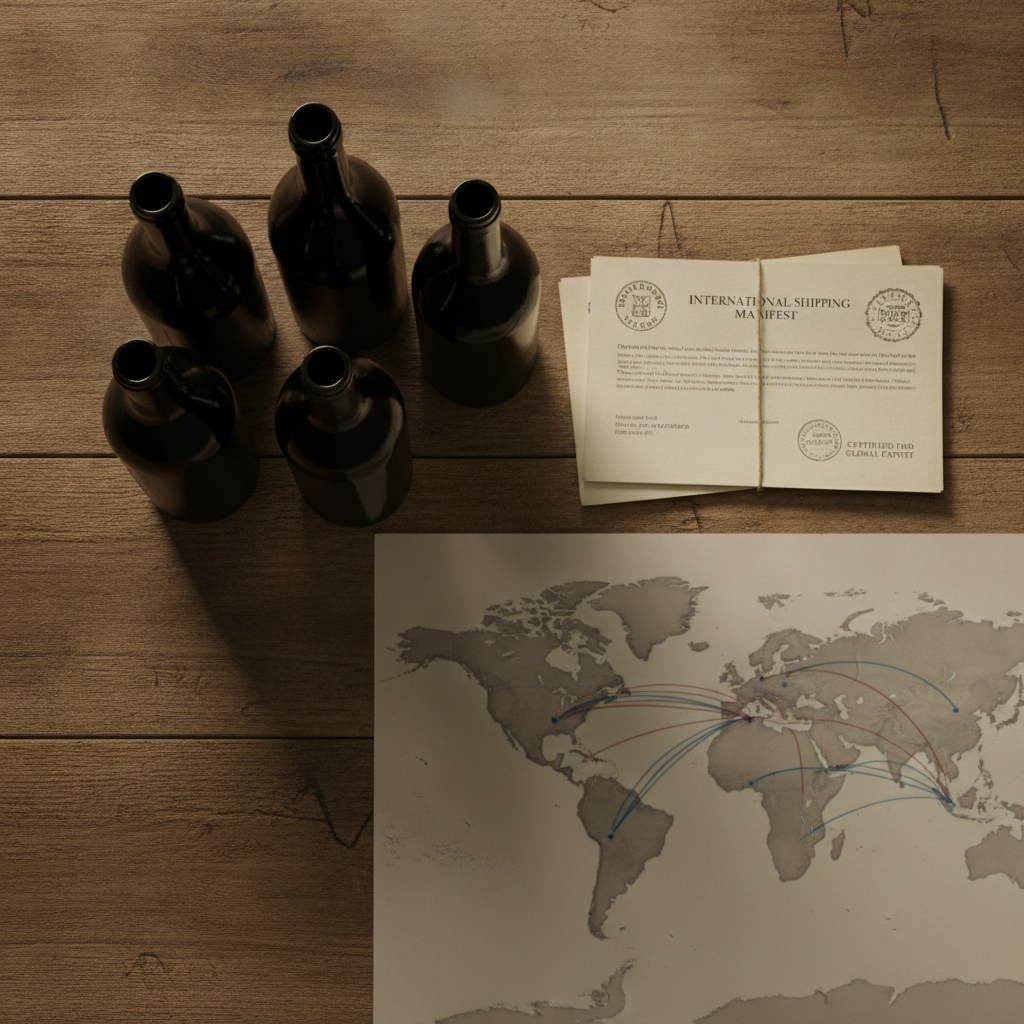
Before venturing into exporting Barolo Red Wine, it is fundamental to have a solid understanding of the required documentation, which forms the basis for any international transaction. Regardless of the destination country, certain documents are universally necessary to facilitate customs operations and ensure regulatory compliance.
Universal Export Documents
Every winery new to the global market must ensure they have a standard set of documents ready. These documents serve as proof of the transport contract, facilitate customs clearance, and attest to the product's regulatory compliance, all essential elements for smooth operations.
- EORI Registration (Economic Operators Registration and Identification): For Italian wineries exporting outside the European Union, an EORI number is mandatory. This code uniquely identifies the economic operator in dealings with the customs authorities of all EU countries and beyond. The application, which is free, must be submitted through the Italian Customs Agency. Without an EORI number, goods risk being held at customs, leading to delays and additional costs.
- Commercial Invoice: This mandatory document, prepared by the exporter, must contain a detailed description of the product (name, vintage, format), quantity, unit and total value, delivery term (Incoterm), and the HS code for customs classification (for wine, chapter 2204). Customs authorities use it to calculate duties and taxes. Errors at this stage can cause significant delays and customs complications.
- Proforma Invoice: Although it has no fiscal value, the proforma invoice anticipates order terms and facilitates preliminary negotiations. It may be requested by the buyer to obtain import licenses or credit lines before actual shipment, accelerating the buyer's decision-making process.
- Packing List: This describes the physical contents of each package, including the number of packages, type of packaging, gross and net weight per package and in total, and volume. It must match exactly what is stated on the invoice to ensure data consistency and facilitate customs checks.
Market-Specific Documents
In addition to universal documents, each destination market may require additional paperwork. For example, when exporting to the United States, it is crucial to verify label compatibility with TTB (Alcohol and Tobacco Tax and Trade Bureau) requirements before confirming immediate product availability. Preparing materials in English, such as technical data sheets, company presentations, and FCA/FOB price lists, is an essential preliminary requirement for the American market.
For other markets, such as Ukraine, it is important to identify importers with active wholesale licenses and a proven presence in the Horeca sector. Italy's historical leadership in the sparkling wine segment (value share around 39% in 2019/2020) can be an advantage but requires strategic positioning, preferably in the mid-to-high price range where demand is structurally growing.
In the Netherlands, in addition to standard documentation, it is necessary to manage the DAA/e-AD (excise duty suspension accompanying document for wine) through the EMCS electronic system and the CMR transport document. The packing list must be detailed, and although a certificate of origin and certificates of analysis are not mandatory according to ICE sources, the export invoice must include precise data on the exporter, buyer, type of goods, HS code, and Incoterms.
In Belgium, it is advisable to have the draft label verified by a local consultant for linguistic compliance (French/Dutch) and always include the nutritional label and statements regarding sulfites/allergens. It is crucial to confirm with the importer any health warnings or compliance marks not covered by the ICE guide to avoid surprises.
How to Position Barolo Red Wine in Foreign Markets?
Barolo Red Wine, with its reputation for excellence, naturally lends itself to a mid-to-high or high-end positioning in international markets. The choice of distribution channel is equally critical to reach the desired consumer target.
Identify the Ideal Importer
Finding the right importer is a fundamental step for successful exporting. For markets like Ukraine, it is recommended to look for partners with active wholesale licenses and a strong presence in the Horeca sector. In other contexts, such as the United States, dedicated platforms and commercial-logistical hubs for Italian wine may emerge, acting as aggregators for smaller wineries seeking a first importer.
Sales Channels and Opportunities
- Horeca Channel: This channel, which includes restaurants, hotels, and catering services, is often the most receptive to high-end wines like Barolo, where product quality and history are appreciated.
- Selective Retail: High-end supermarket chains or specialized wine shops can represent an important sales channel, especially if the wine is positioned as a premium product.
- B2B E-commerce Platforms: The rise of e-commerce has opened new avenues to reach international buyers. Platforms dedicated to wine export can facilitate contact with importers and distributors in various markets.
- Trade Fairs: Events like Vinitaly USA in Chicago offer a valuable opportunity to meet potential business partners, present your product, and understand the dynamics of the American market.
What Are the Challenges in Exporting Italian Wine?
Exporting wine, especially a prestigious product like Barolo, presents unique challenges that require attention and planning. Understanding and anticipating these difficulties is key to a successful business operation.
Regulations and Restrictions
Some markets have significant restrictions that can hinder the entry of Italian wine. Saudi Arabia, for example, is currently not an accessible market for commercial wine export due to current regulations. It is essential to consult ICE guides and relevant local authorities to verify regulatory updates before taking any action.
Logistics and Time Management
Approval times for specific documents, such as those required by the Department of Agriculture in some countries, can directly impact shipping lead times. Accurate logistical planning, including adequate advance notice to competent authorities, is fundamental to avoid delays and ensure timely deliveries.
Positioning and Differentiation
In a competitive global market, differentiating your Barolo Red Wine is essential to stand out. Emphasizing the winery's history, sustainable viticultural practices, awards and scores (guides, ratings), and the specificities of the terroir can create perceived added value for foreign buyers, justifying a premium positioning.

Frequently Asked Questions About Barolo Red Wine Export
What are the requirements for exporting wine to the United States?
To export to the United States, it is essential to verify label compatibility with TTB (Alcohol and Tobacco Tax and Trade Bureau) requirements and prepare materials in English, such as technical data sheets, company presentations, and FCA/FOB price lists.
Is a certificate of origin required for export to the Netherlands?
According to ICE sources, a certificate of origin is not mandatory for export to the Netherlands. However, it is necessary to manage the DAA/e-AD through the EMCS electronic system and the CMR transport document.
What are the regulatory challenges for exporting wine to Saudi Arabia?
Saudi Arabia is currently not an accessible market for commercial wine export due to current regulations, making product entry impossible.
Exporting Barolo Red Wine means bringing an icon of Made in Italy to the world. It requires a strategic approach, impeccable documentation, and a deep understanding of target markets. By collaborating with reliable partners, understanding regulations, and effectively communicating the unique value of their product, Italian wineries can build a solid and lasting presence in international markets, consolidating Italian wine's global leadership.