Wines of Pistoia: Your Comprehensive Guide to International Export
The province of Pistoia, a Tuscan wine heartland, offers quality wines ready for export. For local wineries, understanding export dynamics, from buyer qualification to documentation management, is essential to seize opportunities in international markets. This journey requires meticulous planning and knowledge of regulations, ensuring commercial success and customer satisfaction. Learn more: Federdoc — Confederazione Nazionale Consorzi Tutela Denominazioni Vini Italiani.
How to Qualify a Potential Foreign Buyer?
Before initiating negotiations, it is crucial to verify the foreign buyer's reliability. This includes confirming their business registration, import licenses for alcoholic beverages, and requesting bank or trade references to assess their financial stability.
Understanding the buyer's import history, specifically which other producers, particularly Italian ones, they represent, provides insight into their market positioning and distribution capabilities. Thorough preliminary checks, potentially supported by credit check services or credit insurance, mitigate the risk of insolvency.
What Information Should a Proforma Invoice Contain?
The proforma invoice, the basis for commercial negotiation, should detail the products: designation, vintage, bottle size, minimum order quantity (MOQ), unit price in the agreed currency, and the proposed Incoterm. This document is dynamic and subject to negotiation to define the final contractual terms.
While not having fiscal value, this document serves as a contractual proposal. The information it contains is crucial for establishing the foundation of the future transaction, clearly defining the terms of the potential sale and the responsibilities of each party.

What is the Function of the Commercial Invoice in Export?
The Commercial Invoice is the primary document for every export transaction. It must accurately describe the product (designation, vintage, bottle size), quantity, unit and total value, Incoterm, and HS code (generally 2204 for wine). Customs uses it to calculate duties and taxes.
Errors in description or HS code can cause significant delays or customs disputes. Its accuracy is therefore fundamental for a smooth customs clearance process and to avoid complications.
What Does the Packing List Specify?
The Packing List describes the physical contents of the shipment: the number of packages, type of packaging, gross and net weight per package and total weight, as well as the volume of the goods. The information must perfectly match the Commercial Invoice to facilitate customs checks.
Consistency between the Packing List and the Commercial Invoice is essential to ensure that customs authorities have a clear and complete picture of the goods in transit, facilitating verification and control operations.
What Other Documents Are Necessary for Wine Exports?
Depending on the market, Certificates of Origin, Health or Analysis Certificates, Insurance Policies, and country-specific documents (e.g., back labels for China) may be required. It is advisable to consult ICE guides or an international freight forwarder.
These additional documents serve to certify the product's provenance, sanitary compliance, and quality, as well as to meet specific regulatory requirements of certain nations, ensuring the shipment's legal compliance.
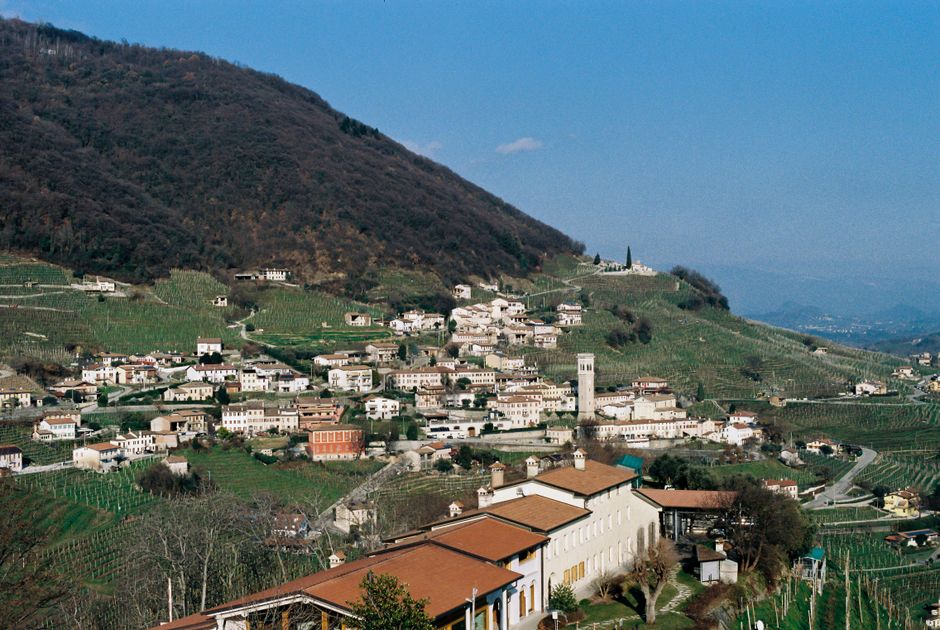
What Are the Strengths of Pistoia Wineries for Export?
Wineries in Pistoia can leverage their territorial authenticity, quality and innovation in winemaking techniques, and niche potential for unique products. These elements meet the expectations of the most discerning foreign consumers.
The valorization of indigenous grape varieties and the adoption of sustainable practices are further levers for differentiation. The goal is to offer wines that tell a story and provide a distinctive experience, far from mass production.
Frequently Asked Questions
What are the documentary requirements for exporting wine to Europe?
Exporting wine within the EU generally requires a Commercial Invoice, a Packing List, and, depending on specific regulations, a Certificate of Origin or health documents. The EU regulation on wine labeling (Regulation (EU) 2021/2117) is a key reference.
How are customs procedures managed for non-EU countries?
For non-EU countries, in addition to the Commercial Invoice and Packing List, Certificates of Origin, Health Certificates, and specific documents required by the importing country are often needed. Consulting ICE guides or Access2Markets is essential.
What are the most common Incoterms in wine export?
The most common Incoterms include EXW (Ex Works), FOB (Free On Board), CIF (Cost, Insurance and Freight), and DAP (Delivered At Place). The choice of Incoterm defines the responsibilities and transportation costs between the seller and the buyer.
The province of Pistoia offers enological potential to be showcased in international markets. An excellent product, combined with a targeted marketing strategy and impeccable management of