Amarone della Valpolicella DOCG: Your Comprehensive Guide to International Import
Rédaction Wines Export · Dernière mise à jour :
For Italian wineries aiming for export, understanding the specificities of Amarone della Valpolicella DOCG is essential to meet the demands of foreign buyers. This prestigious dry red wine, renowned for its body and complexity, is tied to a specific territory and a unique production process. A thorough knowledge of the regulations, history, and international market expectations allows for effective positioning and seizing global growth opportunities. In-depth information: Federdoc — National Confederation of Italian Wine Denomination Protection Consortia.
What is the history and origin of Amarone?
Amarone, whose name means "great bitter," has more recent origins than the ancient winemaking tradition of Valpolicella. It is believed the name was coined in 1936, but the wine was only marketed under this label from 1953. In 1990, it achieved DOC status, later elevated to DOCG in 2009, the highest category for Italian wines, with a total production of 8.57 million bottles in 2008 (including Recioto).
What defines the Amarone production regulations?
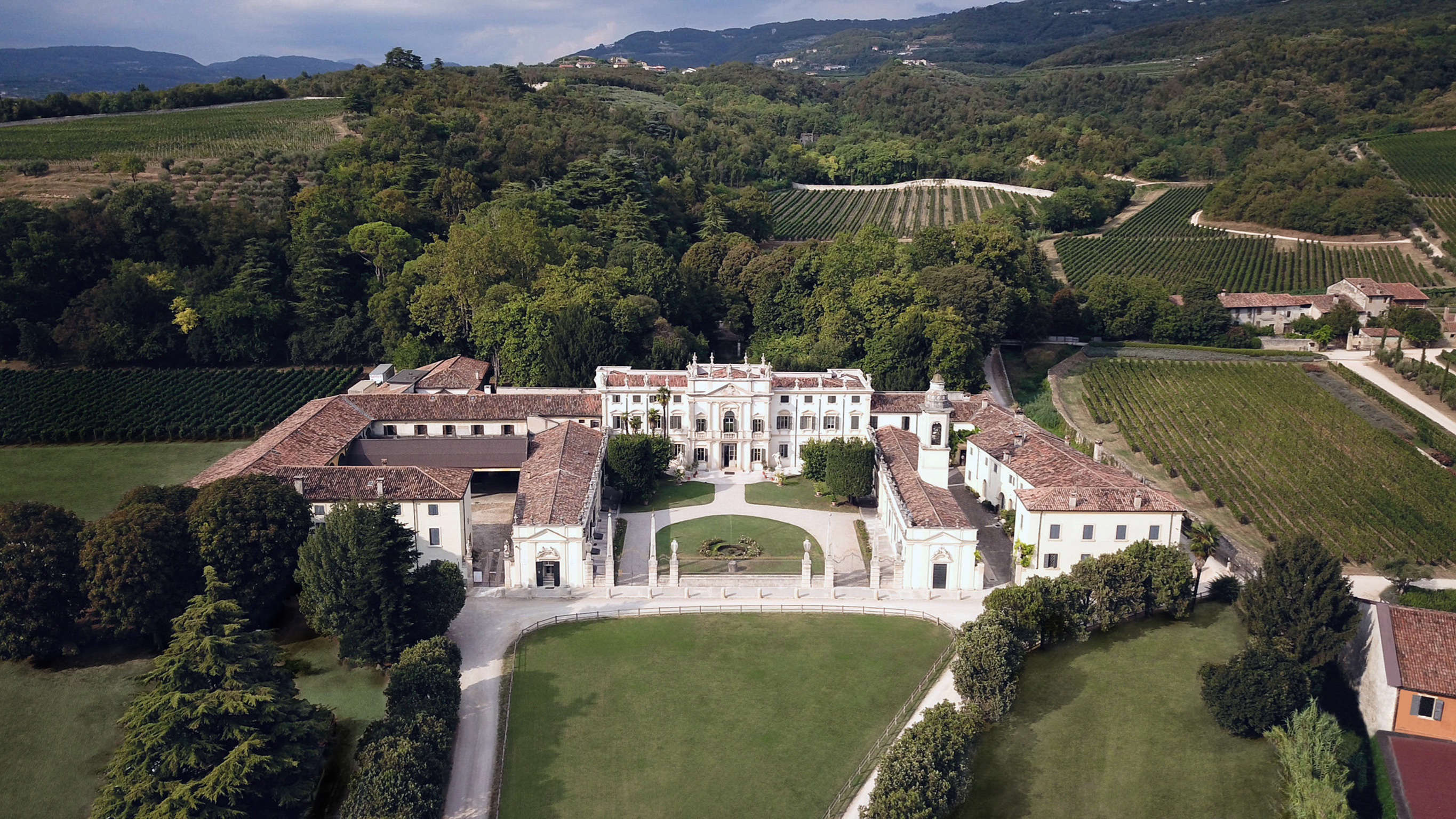
The production regulations for Amarone della Valpolicella DOCG govern crucial aspects such as the permitted grape varieties (mainly Corvina, Rondinella, and other approved red varieties), the delimited geographical area in Valpolicella in the province of Verona, and specific enological practices, notably the grape drying process.
How is the grape drying process for Amarone carried out?
Drying, or "appassimento," is Amarone's distinctive technique. The grapes, harvested ripe, are dried for 2-3 months on racks or in crates, losing up to 40% of their mass. This process concentrates sugars, acids, and phenolic compounds, increasing the sugar content to about 30% and developing a complex aromatic bouquet.
What are the analytical and organoleptic characteristics sought in Amarone?
Amarone is a dry, rich, and full-bodied red wine with aromatic complexity derived from the drying process and grape blend. Foreign buyers seek a balance between structure, ripe fruit, spicy notes, and good persistence, which are indicators of quality and aging potential.
What do foreign buyers look for when purchasing Amarone?
Foreign buyers assess authenticity and protected origin (DOCG), the unique drying production process, consistent quality, and aging potential. They also appreciate the storytelling linked to history and traditions, and require regulatory compliance and proper export documentation.
How does Wines Export support wineries in exporting Amarone?
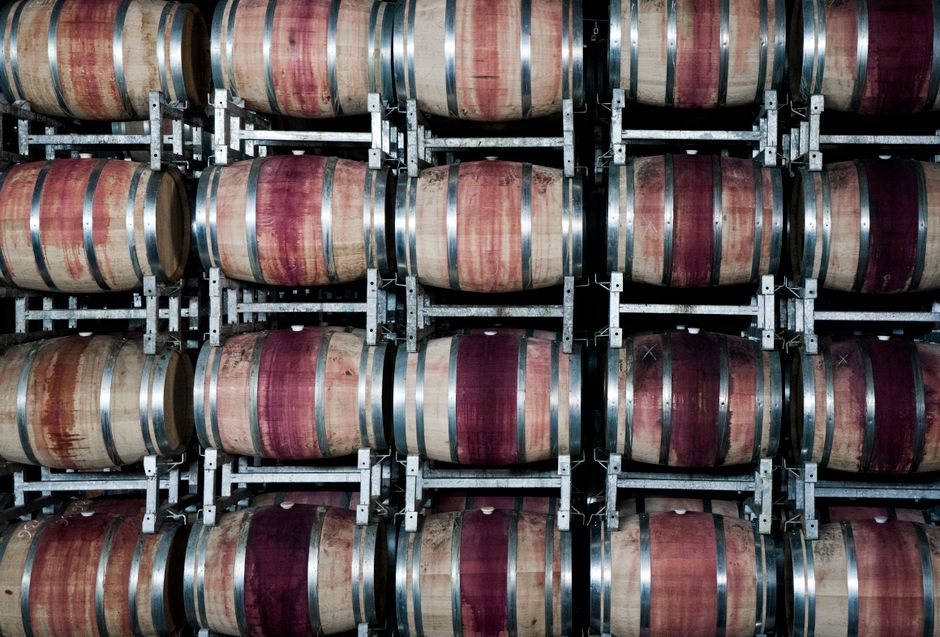
Wines Export collaborates with Italian wineries specialized in producing high-quality Amarone, selected for their adherence to quality standards and compliance with DOCG regulations. Our international buyer network is constantly seeking Amarone that offers a complex aromatic profile, elegant structure, and a strong connection to the territory.
Frequently Asked Questions
What are the main grape varieties used to produce Amarone DOCG?
Amarone is primarily produced from Corvina grapes (45-95%, with the possibility of replacing up to 50% with Corvinone), Rondinella (5-30%), and other approved red varieties (up to 25%).
What is the distinctive characteristic of the Amarone production process?
The distinctive characteristic is the grape drying process, a technique that concentrates sugars, acids, and phenolic compounds, giving the wine aromatic complexity and uniqueness.
What does DOCG certification mean for Amarone?
DOCG (Denominazione di Origine Controllata e Garantita – Controlled and Guaranteed Designation of Origin) certification is the highest category for Italian wines, indicating superior quality and strict production regulations tied to a specific territory.
Amarone della Valpolicella DOCG represents a significant opportunity for Italian wineries in the export landscape. Its history, unique production process, and intrinsic quality make it an ambassador of Made in Italy. Understanding the regulations, communicating the wine's peculiarities, and aligning with foreign buyers' expectations are crucial steps for success in international markets.