Asolo DOCG: Discover Wineries and Market Opportunities for Treviso Wine
Rédaction Wines Export · Dernière mise à jour :
Asolo, in the province of Treviso, is a land of wine excellence, renowned for its Prosecco. Understanding the specificities of its DOCG designation and the characteristics of local wineries is crucial for those wishing to export these wines to the international market. This article explores the export potential of Asolo wine, analyzing its origins, its evolution as a DOCG, and the elements that attract foreign buyers, offering a strategic guide for wineries aiming for global growth. In-depth: Federdoc — Confederazione Nazionale Consorzi Tutela Denominazioni Vini Italiani.
What is the history of the Asolo wine designation?
The wine history of Asolo is closely linked to Prosecco. Before 2009, the area produced Prosecco under the DOC designation. Following the reform that year, previously smaller DOCs, including Asolo, were elevated to Denominazione di Origine Controllata e Garantita (DOCG), ensuring higher quality standards and a strengthened territorial connection.
How has the Prosecco designation changed over time?
The 2009 reform saw the elevation of areas like Asolo to DOCG status. Simultaneously, zones previously classified as "Vino IGT" (Prosecco IGT) were integrated into the new and expanded DOC Prosecco zone. This led to a redefinition of production areas and more specific recognition for the most prestigious origin designations.
What does the DOCG designation mean for Asolo wine?
The "Colli Asolani – Prosecco" or "Asolo – Prosecco" designation was officially recognized as DOCG in 2009. This status guarantees high-quality standards and an inseparable link to its territory of origin, distinguishing this sparkling wine from other Prosecco production areas and offering a guarantee of excellence to consumers.
What are the characteristics of Asolo wineries for export?
Asolo wineries combine tradition and innovation, key elements for success in international markets. Investing in building solid relationships with reliable local importers is a winning strategy to reach markets with significant growth potential. The production excellence of this area contributes to the global success of Italian Prosecco.
How do Asolo wineries enhance their territory?
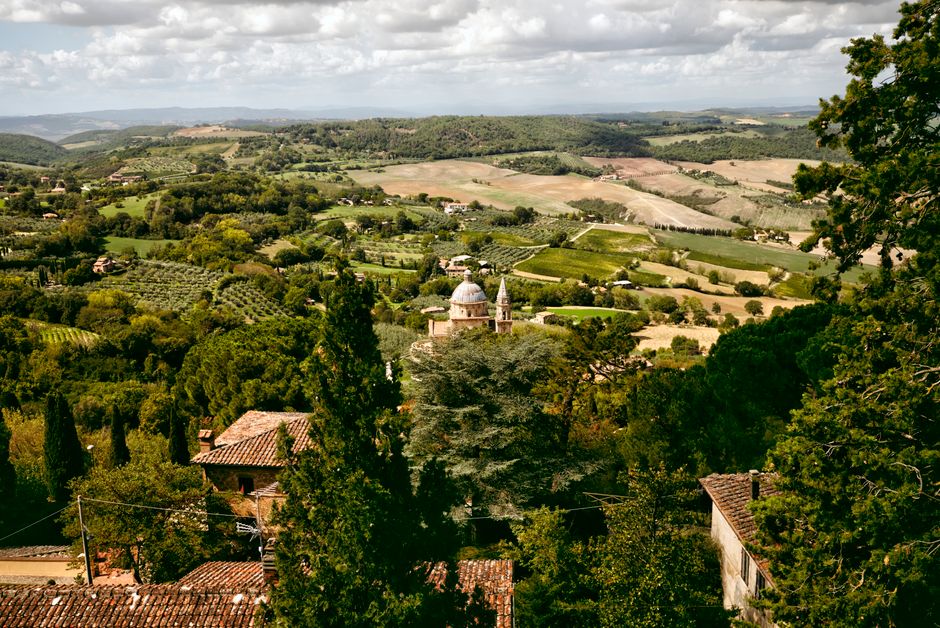
Wineries located in the Asolo area have the opportunity to enhance not only the DOCG designation but also the unique characteristics of their territory. Care in winemaking, attention to quality, and the ability to communicate the value of their product are decisive factors in attracting foreign buyers interested in authenticity.
What is the role of innovation in Asolo wineries for export?
Innovation in Asolo wineries is crucial for successfully tackling international markets. The adoption of new winemaking techniques and the ability to adapt to the demands of foreign markets, while maintaining a connection to tradition, allow these wineries to stand out and offer high-quality products that meet the expectations of global buyers.
What is the export potential of Asolo wine?
The Prosecco market, of which Asolo is an integral part, enjoys an excellent international reputation, with recent data indicating significant export performance and growth forecasts. Asolo wineries, benefiting from this consolidated reputation, have considerable export potential, reaching consumers who appreciate the excellence of Italian wine.
Which foreign markets are interested in Asolo Prosecco?
Foreign markets, increasingly seeking authentic, high-quality products, represent a significant growth opportunity for Asolo Prosecco. Wines Export's strategy aims to connect Italian wineries with qualified importers in numerous countries, both historical and emerging markets, expanding commercial presence.
How does the Asolo DOCG designation facilitate export?
The Asolo – Prosecco DOCG designation offers a guarantee of quality that can be a strong selling point in international markets. This certification attests to the origin and excellence of the wine, making it more attractive to foreign buyers seeking reliable and high-profile products, thus facilitating entry and penetration into global markets.
What do foreign buyers look for in Italian wine, particularly in Asolo Prosecco?
Foreign buyers seek wines that offer good value for money, authenticity, history, and a connection to the territory. Asolo Prosecco, with its DOCG designation, embodies these requirements, offering freshness and versatility. The growing attention to sustainability is another important factor in purchasing decisions.
How can Asolo wineries communicate the value of their product abroad?
The key to export success for Asolo wineries lies in their ability to effectively communicate the value of their designation, the quality of their wines, and the unique story of their territory. Collaboration with experienced partners in the export sector can provide the necessary support to navigate the complexities of international markets.
What is the importance of sustainability for foreign buyers?
The increasing attention to sustainability and environmentally friendly agricultural practices is becoming an ever more important element in foreign buyers' purchasing decisions. Wineries that can demonstrate a commitment in this regard will have a competitive advantage, meeting a growing market demand.
Frequently Asked Questions
Is Asolo Prosecco different from Conegliano Valdobbiadene Prosecco?
Yes, although both are Prosecco DOCG, the "Colli Asolani – Prosecco" or "Asolo – Prosecco" designation specifically refers to the Asolo area, distinguished by unique territorial characteristics and production traditions that can influence the wine's profile.
What are the main export markets for Italian Prosecco?
The original text does not specify the main export markets but indicates that Prosecco DOC has recorded significant international performance and that foreign markets, in general, represent an important growth opportunity.
Do Asolo wineries produce only Prosecco?
The original text focuses primarily on Prosecco as Asolo's designation but does not exclude the production of other types of wine. However, the emphasis is placed on the Asolo – Prosecco DOCG designation.