Bruno Paillard Champagne: Winning Strategies for Italian Wine Export
Rédaction Wines Export · Dernière mise à jour :
The global wine market requires Italian producers to compete with established international brands. Understanding the strategies of competitors like Bruno Paillard Champagne is crucial for defining effective positioning and conquering new markets. This analysis examines its history, production, and distinctive characteristics to draw useful lessons for Italian wine export, focusing on how a high-end sparkling wine producer operates internationally. In-depth: OIV — International Organisation of Vine and Wine.
How did Bruno Paillard become a prestigious Champagne?
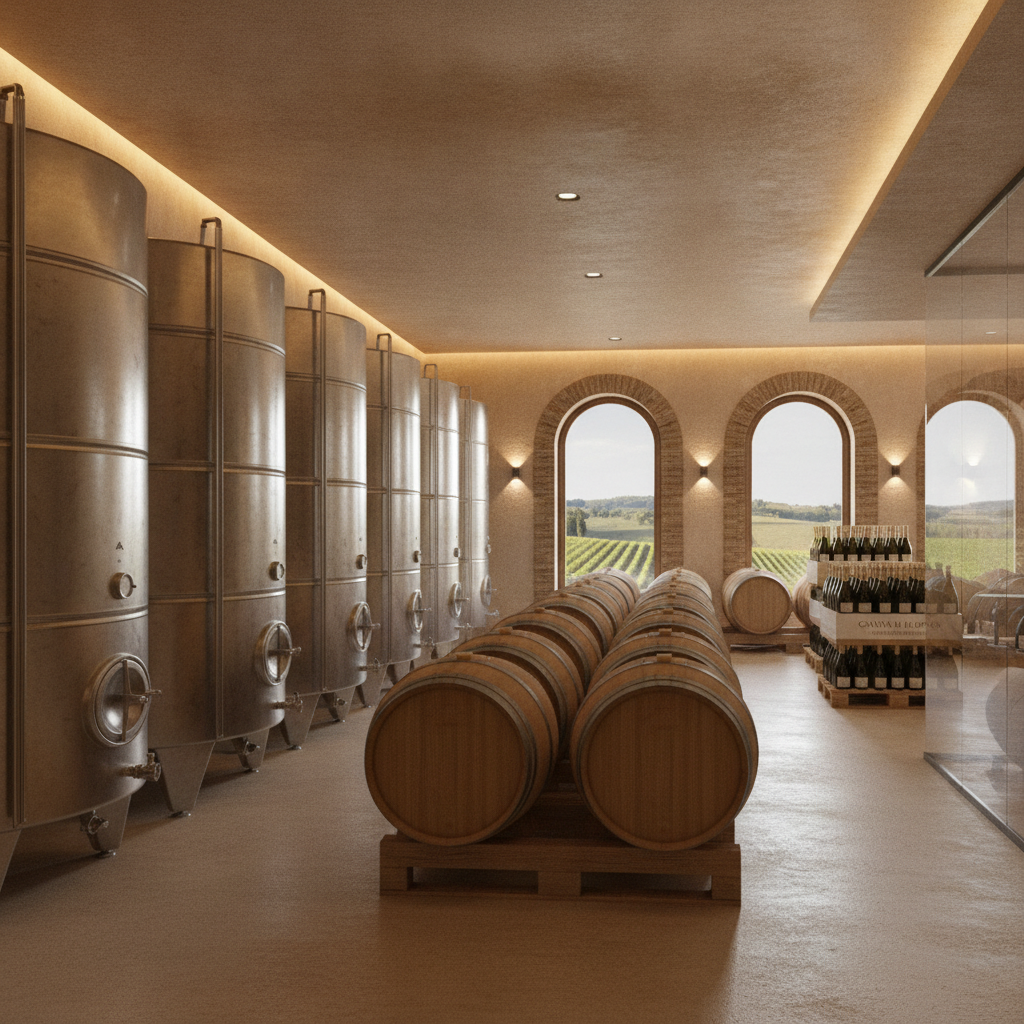
Founded in 1981 by Bruno Paillard, the maison is relatively young in the historical landscape of Champagne. Coming from a family of winegrowers, Paillard created a modern company with a mix of steel tanks and barriques, aiming from the outset for an approach focused on freshness and complexity.
The acquisition of its own vineyards starting in the 1990s, totaling 26 hectares, guaranteed direct control over grape quality. Bruno Paillard is defined as "the youngest of the classic Champagne houses," emphasizing its modernity. Paillard also leads Lanson and owns Château Sarrin, demonstrating a diversified entrepreneurial vision in the wine sector.
What are the distinctive characteristics of Bruno Paillard's production?
The grapes cultivated include Pinot Noir, Chardonnay, and Pinot Meunier. Vinification involves must fermentation with rigorous temperature control to preserve aromas and freshness. The wines mature in the cellar for a period of three to five years before commercialization, contributing to aromatic complexity.
The style is defined by a low sugar dosage (around 6 grams/liter), which imparts a dry and clean style. Annual production is around 600,000 bottles. The main cuvées include Première Cuvée brut (25-35% of production), Chardonnay Réserve privée brut blanc de blancs (25%), and Brut Millésime (produced only in exceptional vintages).
What lessons on Italian wine export can we learn from Bruno Paillard?
The analysis of Bruno Paillard offers valuable insights for Italian wineries aiming for export, especially in the high-end segments.
1. Why is supply chain control crucial for grape quality?
Bruno Paillard has invested in its own vineyards to ensure control over raw materials. For Italian producers, this means valuing their own denominations and terroirs. Grape quality, origin, and sustainable vineyard management are elements recognized and rewarded by international buyers.
2. How does long aging contribute to distinctive style?
The long maturation period in the cellar is fundamental to the complexity and longevity of Bruno Paillard Champagnes. Italian wineries producing wines for aging should communicate their aging processes and the time dedicated to maturation to justify a mid-to-high-end positioning and educate the market.
3. Why is it important to clearly communicate style and dosage?
Bruno Paillard's "very dry" style, achieved with a low dosage, is a distinctive element. For Italian wines, it is crucial to clearly define and communicate their style. Consistency and transparency in communication are fundamental to attract and retain foreign buyers, whether they are dry, off-dry, or wines with particular aromatic characteristics.
4. How can diversification and entrepreneurial vision strengthen the sector?
Bruno Paillard's management includes Lanson and Château Sarrin, demonstrating a broad vision of the sector. For Italian wineries, this can mean exploring synergies, participating in consortia, or developing projects that strengthen the image of Italian wine as a whole, creating a competitive advantage.
5. How does Bruno Paillard position itself in the global market?
Champagne enjoys a global aura of prestige, and Bruno Paillard has built this positioning through high quality and targeted marketing. Italian wines, despite their unparalleled history and diversity, must strengthen the perception of quality and value. The growth of Italian wine exports has been significant, but there is always room to improve competitive advantage.
6. How do producers adapt to foreign markets?
Bruno Paillard maintains a distinctive style but produces with consideration for the tastes of different nations. Italian producers should be aware of the preferences of their target markets. Communication in English is essential for markets like Australia, and understanding regulatory requirements and local preferences is crucial for success in markets like Ukraine or Belarus.
Frequently Asked Questions
How does Bruno Paillard manage the quality of its grapes?
Bruno Paillard has invested in acquiring its own vineyards since the 1990s, now owning 26 hectares. This guarantees direct control over the raw material used for its Champagnes.
What is the distinctive style of Bruno Paillard Champagnes?
Bruno Paillard's style is characterized by a low sugar dosage, with approximately 6 grams of residual sugar per liter, which imparts a very dry and clean style, appreciated by consumers who prefer wines with less sweetness.
How long do Bruno Paillard Champagnes age before being commercialized?
After vinification, Bruno Paillard's wines mature for a period ranging from three to five years in the cellar before being released to the market, a process that contributes to their complexity and aromatic evolution.
Bruno Paillard Champagne, with its history of success and distinctive approach, offers a benchmark for Italian wineries wishing to expand their international presence. The key lies in combining the richness of Italian viticultural tradition with a modern and strategic approach to export.