Wineries of Eastern Friuli: Typical Productions and Foreign Markets
The province of Gorizia, in Friuli-Venezia Giulia, offers an exceptional wine heritage, with wineries representing a strategic opportunity for export. This guide is designed for producers and importers, providing an overview of local realities and practical advice for approaching international markets. The objective is to facilitate the recognition and distribution of Gorizia wines, enhancing their uniqueness and quality. More Information: Federdoc — National Confederation of Italian Wine Denomination Protection Consortia.
What are the main wine denominations in the province of Gorizia?
Although no longer an autonomous administrative entity, the area retains a strong winemaking identity. The main denominations encompassing this province include Collio and Isonzo, renowned for producing high-quality white wines and excellent reds.
Collio is famous for its aromatic and structured whites such as Tocai Friulano, Pinot Bianco, Pinot Grigio, Sauvignon, and Malvasia. However, there are also significant reds, including Pinot Nero, Merlot, and Cabernet. The Isonzo area offers wines that reflect the region's typicality, with grape varietals like Refosco dal Peduncolo Rosso, Verduzzo, and Chardonnay.
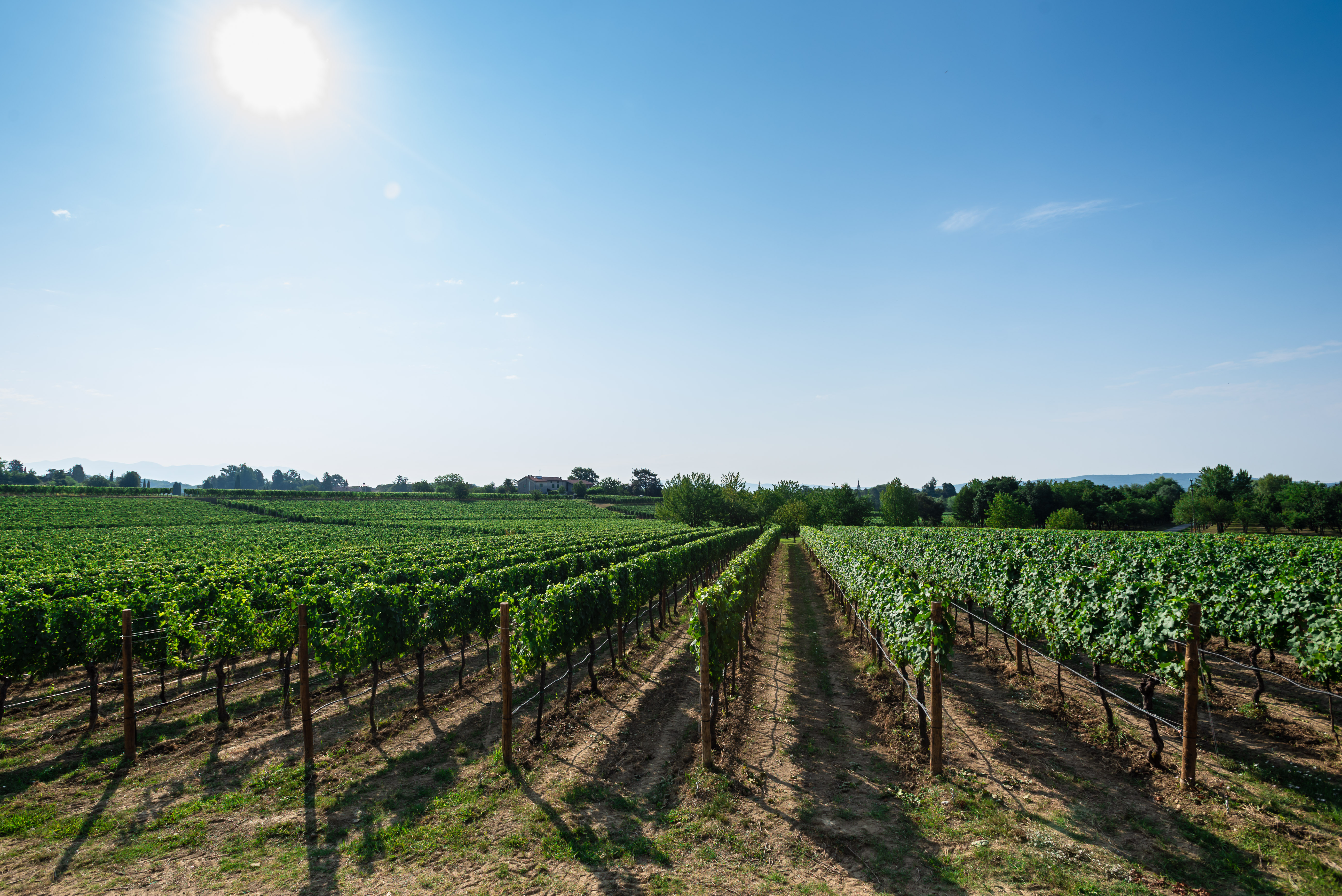
What are the reference wineries in the province of Gorizia?
The province of Gorizia boasts numerous wineries that combine innovation with respect for the territory. Among these, cooperative realities and private companies stand out, contributing to the region's enological reputation.
The Cantina Produttori Vini del Collio e dell’Isonzo, located in Cormons, is one of the largest cooperative entities. It encompasses approximately 267 hectares of vineyards and produces about 18,000 hectoliters annually, offering wines from the DOC Collio and Isonzo designations, a Brut Sparkling Pinot from Cormòns, and Grappa Collio. Their commercial network is well-established both in Italy and abroad.
The Felmar winery, based in Gorizia, produces around 700,000 bottles annually, with 70% whites and 30% reds. 30% of their production is destined for export to the USA, England, Switzerland, Germany, and the Netherlands. Their Collio line includes classic varietals and their own creations.
How to approach the export market for Gorizian wineries?
Export is a fundamental channel for the growth of Gorizian wineries, given the increasing international demand for quality Italian wines. To successfully enter the foreign market, it is essential to meticulously manage every aspect of the process, from negotiation to delivery.
A preliminary phase of buyer contact and qualification is crucial. This includes verifying the solvency, import licenses, and commercial references of the potential partner. Subsequently, the negotiation of the commercial offer requires a detailed proforma invoice. The choice of the correct Incoterm is essential for defining responsibilities and transport costs.
Customs and shipping documentation is another critical aspect. Each country has specific requirements for labeling and compliance. Collaboration with experienced freight forwarders and consulting ICE (Italian Trade Agency) guides are indispensable steps.
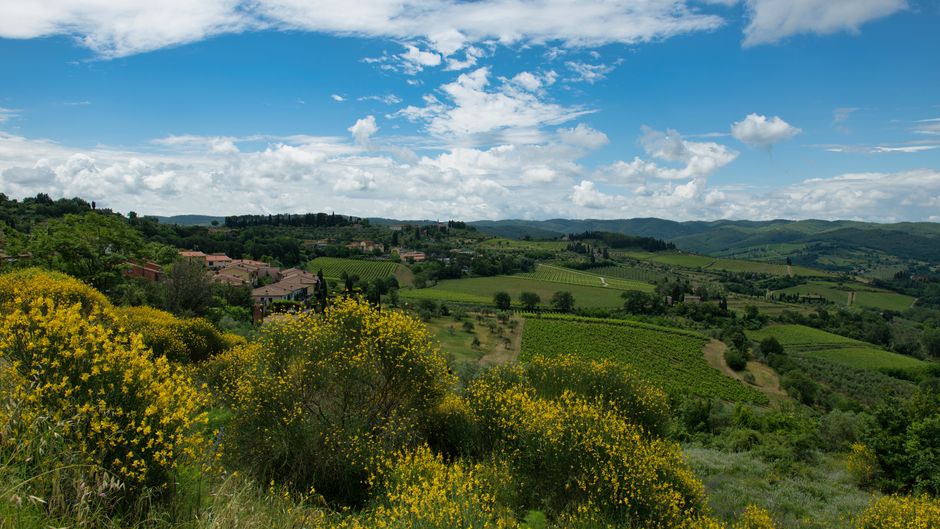
What are the market opportunities and export strategies for Gorizian wines?
Gorizian wineries can capitalize on the demand for authentic, high-quality Italian wines. Belonging to prestigious denominations like Collio and Isonzo adds value that should be leveraged in marketing.
To expand their international presence, it is advisable to adopt a targeted strategy:
- Identification of target markets: Analyze markets with growth potential for quality Italian wines, considering purchasing power and consumption habits.
- Search for qualified partners: Select reliable importers and distributors who share the winery's vision and have knowledge of the local market. Verify their geographical coverage and client mix (mass market retail vs. HORECA).
- Participation in international fairs and events: Attend industry trade shows to meet buyers, build networks, and increase brand visibility.
- Communication and digital marketing: Develop a strategy that highlights the history, territory, and quality of the wines, utilizing digital channels such as multilingual websites and social media.
- Focus on quality and traceability: Ensure high standards in production and supply chain, guaranteeing compliance with international regulations and transparency.
Frequently Asked Questions
What are the most representative grape varietals of the Collio and Isonzo DOCs?
The Collio and Isonzo DOCs are renowned for their aromatic and structured white wines such as Tocai Friulano, Pinot Bianco, Pinot Grigio, Sauvignon, and Malvasia. Among the reds, Pinot Nero, Merlot, and Cabernet stand out, while in the Isonzo area, varietals like Refosco dal Peduncolo Rosso, Verduzzo, and Chardonnay are found.
Which foreign markets are already reached by the mentioned Gorizian wineries?
Cantina Produttori Vini del Collio e dell’Isonzo has an extensive commercial network both in Italy and abroad. Felmar winery directs 30% of its production to export, reaching markets such as the USA, England, Switzerland, Germany, and the Netherlands.
What are the key steps for a successful business negotiation in wine export?
Key steps include the buyer contact and qualification phase, verifying their solvency and import licenses. This is followed by negotiating the commercial offer with a detailed proforma invoice and selecting the correct Incoterm. Finally, it is essential to manage customs and shipping documentation, ensuring label compliance with the destination country's requirements.
The province of Gorizia represents a territory of great enological value, with wineries ready to conquer new international markets. The quality of their wines, combined with a strong territorial identity, makes them interesting partners for foreign importers and distributors. Our expertise in accompanying Italian wineries to foreign markets, managing operational and regulatory complexities, can be a fundamental added value for export success.