Wine from Povoletto: Wineries and Market Opportunities for Export
Povoletto, in the province of Udine, is a territory with significant wine-growing vocation and export potential to be explored by Italian wineries. This article analyzes the characteristics of local wine, reference appellations, and opportunities for companies wishing to expand into foreign markets. The objective is to provide a clear, fact-based guide to understand and enhance the wine heritage of this area of Friuli-Venezia Giulia, aiming for sustainable growth in international wine trade. Further information: Federdoc — National Confederation of Italian Wine Protection Consortia.
What are the main appellations and grape varieties in Povoletto?
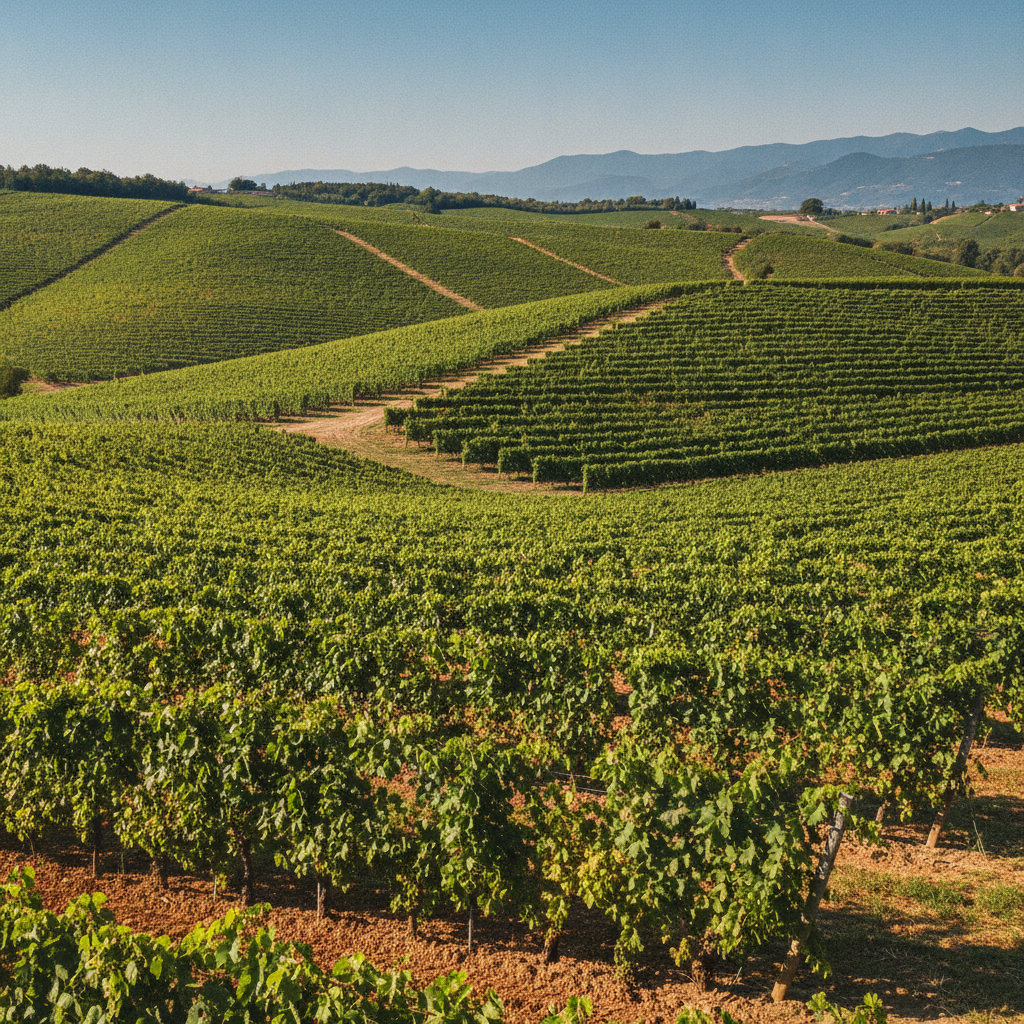
The territory of Povoletto benefits from the pedoclimatic characteristics of renowned areas such as the Collio and Colli Orientali del Friuli (COF). The cultivated grape varieties include both international and autochthonous types, such as Friulano, Pinot Bianco, Pinot Grigio, Sauvignon Blanc, Ribolla Gialla, Chardonnay, Riesling, Verduzzo, Merlot, Cabernet Sauvignon, Cabernet Franc, Refosco dal Peduncolo Rosso, and Schioppettino.
Deep Dive into Grape Varieties
The diversity of grape varieties present in Povoletto allows wineries to offer a broad and varied range of wines.
White Grape Varieties:
- Friulano (formerly Tocai Friulano): Characterized by floral and fruity notes, good structure, and an almond finish.
- Pinot Bianco: Offers freshness, lively acidity, and hints of green apple and citrus.
- Pinot Grigio: Can express itself with greater body and complexity in this terroir.
- Sauvignon Blanc: Features intense aromas of tropical fruit, aromatic herbs, and minerality.
- Ribolla Gialla: An autochthonous grape variety that yields fresh, aromatic wines with aging potential.
- Chardonnay: Adapts well to the Friulian terroir, producing elegant and complex wines.
- Riesling Italico and Renano: Contribute with fruity and floral notes; the Renano offers greater complexity and aging potential.
- Verduzzo Friulano: An autochthonous grape variety with a slightly bitter finish and notes of dried fruit and honey.
Red Grape Varieties:
- Merlot: Produces soft and fruity wines in this terroir.
- Cabernet Sauvignon and Cabernet Franc: Used in blends, they impart structure, tannins, and notes of black fruits and spices.
- Refosco dal Peduncolo Rosso: An autochthonous grape variety with intense color, notes of dark red fruits, spices, and good acidity.
- Schioppettino: An autochthonous grape variety with spicy and fruity aromas and a distinct character.
Which wineries operate in and around Povoletto and what are their markets?
The territory around Povoletto is rich in agricultural estates and wineries with a solid winemaking tradition. Significant examples include Vinicola Udinese s.p.a. (based in Udine), which exports to Switzerland, Germany, USA, and Australia, and Azienda Agricola Villa Sospisio s.r.l. (in S. Quirino, PN), awarded for the quality of its wines from the Grave del Friuli area. Azienda Agricola Cantoni (in Ara di Trigesimo, UD) also operates in the Grave del Friuli zone.
Deep Dive into Wineries and Recognition
These wineries represent the quality and density of wine production in the province of Udine and surrounding areas.
- Vinicola Udinese s.p.a.: Founded in the 1920s, it selects, refines, and bottles typical Friulian wines. It has received awards such as "Oscar del Vino" and Gold Medals at the "Douja d'Or" competition.
- Azienda Agricola Villa Sospisio s.r.l.: Has been producing wines since 1902, with a production that includes grape varieties like Tocai friulano, Pinot bianco, Pinot grigio, Sauvignon, Chardonnay, Merlot, and Cabernet.
- Azienda Agricola Cantoni: Located in Ara di Trigesimo, it operates in the hilly D.O.C. area of Grave del Friuli, producing classic Friulian wines.
What is the export potential for wineries in Povoletto?
Wineries in Povoletto have significant growth potential in international markets, thanks to the reputation of Friuli-Venezia Giulia as a region of wine excellence. Key factors for success include the quality and authenticity of the wines, the valorization of appellations and areas of origin, product diversification, and a focus on emerging or niche markets, such as Ukraine.
Export Strategies
To penetrate new markets, wineries can adopt several strategies:
- Quality and Authenticity: Produce wines that reflect the local terroir and use autochthonous grape varieties.
- Appellations and Areas of Origin: Leverage proximity to prestigious zones like Collio and COF to lend credibility.
- Product Diversification: Create a product portfolio capable of satisfying different tastes.
- Market Focus: Explore emerging markets and specific niches that seek quality Italian wines.
- Collaboration and Support: Join consortia, participate in international trade fairs, and collaborate with reliable importers.
Several wineries in the Povoletto area are actively engaged in exploring new commercial opportunities, focusing on valorizing their unique wines and building lasting relationships with international importers.
Frequently Asked Questions
What are the most representative autochthonous grape varieties of Friuli-Venezia Giulia cultivated in Povoletto?
In Povoletto, autochthonous grape varieties such as Friulano, Ribolla Gialla, Verduzzo Friulano, Refosco dal Peduncolo Rosso, and Schioppettino are cultivated, contributing to the distinctiveness and diversity of the region's wines.
Which international markets have wineries from the province of Udine already reached?
Wineries from the province of Udine, such as Vinicola Udinese s.p.a., already export to countries like Switzerland, Germany, the USA, and Australia, demonstrating established interest in Friulian wines.
How can wineries in Povoletto differentiate themselves in the international market?
Wineries in Povoletto can differentiate themselves by focusing on the quality and authenticity of their wines, highlighting autochthonous grape varieties and their connection to the territory, and building a narrative that tells the story and passion behind each bottle.
Povoletto, despite being a small municipality, holds within it the potential to become a benchmark for quality wines in the Friulian landscape. The richness of its grape varieties, its proximity to prestigious appellations, and the presence of wineries with a solid tradition offer an excellent foundation for export development. For wineries in Povoletto, looking abroad means not only exporting wine but also telling a story of territory, passion, and quality. With the right marketing strategies, a focus on quality, and careful market selection, wine from Povoletto can conquer new market shares globally.