Visciola: The Italian Grape Variety for Exporting Distinctive Wines
The world of wine is constantly evolving, with Italian wineries continuously seeking to expand their presence in international markets. In this landscape, in-depth knowledge of grape varieties, both indigenous and less common, becomes fundamental for identifying new business opportunities. The Visciola grape variety, with its historical and ampelographic peculiarities, represents an interesting case study for evaluating its export potential. This article explores the origins, characteristics, and market prospects of this grape, offering useful insights for Italian wineries aiming to diversify their offering and reach new foreign consumers. In-depth look: MASAF — National Register of Vine Varieties.
Where Does the Visciola Grape Variety Originate?
The Visciola grape variety has its historical roots in the southern regions of Russia and Ukraine. The first ampelographic descriptions date back to the 19th and early 20th centuries, with specific mentions in the Rostov and Kamenski areas. Its cultivation then extended to various regions, including Crimea.
The spread of Visciola is linked to its ability to adapt to different climates and soils, although it prefers sunny exposures and well-drained soils. Its presence has been historically significant in the markets of the former Soviet Union, where it is appreciated for its unique characteristics.
What are the Ampelographic Characteristics of Visciola?
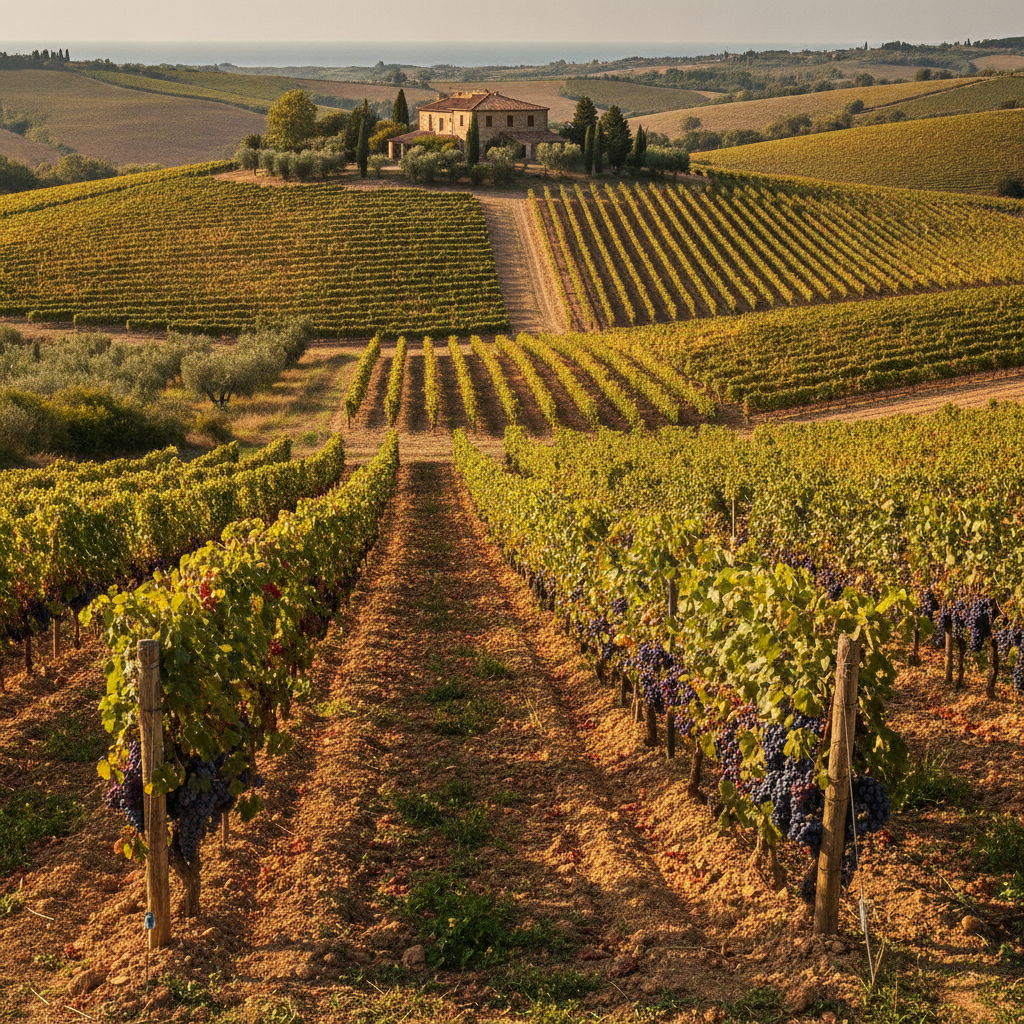
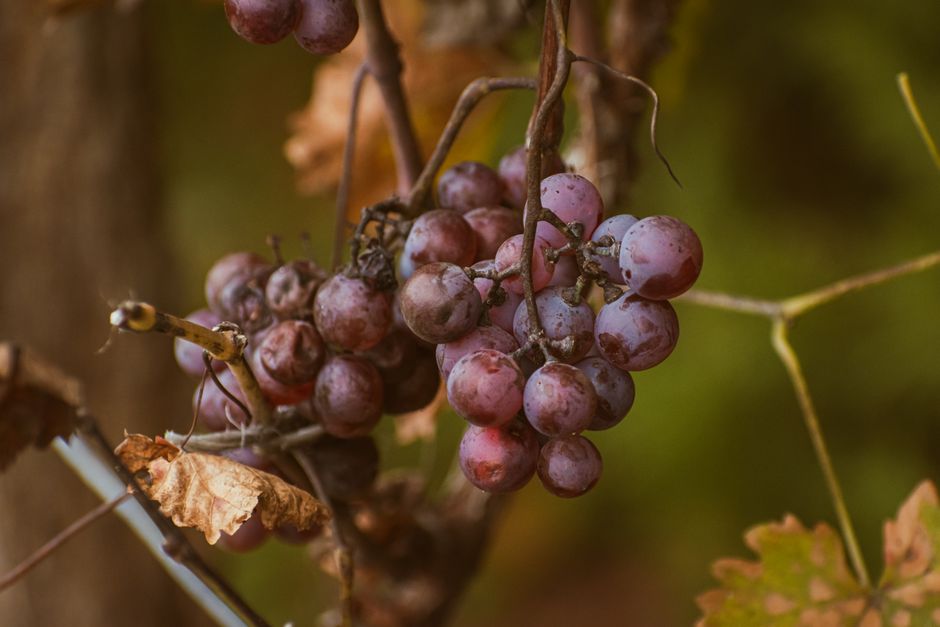
The ampelographic analysis of Visciola reveals a series of distinctive traits that influence its cultivation and the quality of the final product. The tip of the shoot is downy, with a color varying from light green to bronze-yellow. Adult leaves are typically tri- or pentalobed, medium to large in size, with a hairy or cottony underside. The bunch is medium-sized, with variable compactness and a conical or cylindrical shape. The berry is medium to small, circular or flattened, with a blue-black epidermis, thin and pruinose skin.
These ampelographic characteristics suggest a certain robustness of the grape variety, but also the need for specific attention during cultivation, such as long and abundant pruning and expansive training systems.
When Does Visciola Bud, Flower, and Ripen?
The phenology of Visciola indicates medium-late budding, flowering, and veraison periods. Flowering generally occurs between early and mid-June, while veraison occurs in the mid-season. Ripening is also late, suggesting that the grape variety requires favorable climatic conditions to reach full maturity.
Regarding environmental and cultivation needs, Visciola adapts to various soil types but thrives in well-exposed and sunny locations. It prefers clayey soils and temperate climates. Its sensitivity to phylloxera has been reported, thus requiring adequate phytosanitary management strategies.
What are the Characteristics of Visciola Must and Wine?
Analyses of Visciola must show a variable sugar content, generally between 18.5% and 20.2%, with acidity oscillating between 5.3 g/l and 6.0 g/l. The characteristics of the wine produced from Visciola depend significantly on the harvest time and winemaking techniques.
Generally, the grapes are used for the production of table wine. If harvested late, Visciola can produce fortified or dessert wines, with a deep straw yellow color, enveloping aromas of honey and ripe peach, and a harmonious, dry or sweet taste. The quality of dessert wine can be high, especially when the grapes are dried. It is interesting to note how Visciola can be used to obtain different types of wine, including table wines, dessert wines, and even sparkling wines. This versatility is a strength for export, allowing for the satisfaction of diverse market demands.
What is the Export Potential of the Visciola Grape Variety for Italian Wineries?
The global wine market is increasingly competitive, but diversifying the offering and valorizing lesser-known grape varieties can open up new market niches. Visciola presents several characteristics that make it interesting for export: its originality and history with Russian and Ukrainian origins, coupled with a well-documented ampelographic history, lend Visciola an exotic charm and an interesting narrative for curious foreign consumers eager to discover new labels.
Its enological versatility, i.e., its ability to produce wines of different types (table, sweet, fortified), allows wineries to adapt their offerings to the specific demands of destination markets. Sweet and fortified wines obtained from dried grapes could find a market in premium segments, where consumers seek unique and high-quality products.
To fully leverage the export potential of Visciola, Italian wineries should consider specific market research to analyze foreign markets with a greater propensity to discover and appreciate unconventional grape varieties, and develop targeted marketing strategies that emphasize the grape's history, origin, and versatility, creating a compelling narrative for international buyers. It is crucial to focus on producing wines that enhance the best characteristics of Visciola, aiming for quality and distinctiveness. The decision to export Visciola-based wines requires careful evaluation of market dynamics and consumer preferences in target countries. However, with the right strategy and a quality product, this grape variety could represent an interesting addition to the export portfolio of Italian wineries.
Frequently Asked Questions
What are the main characteristics of the Visciola grape variety?
Visciola features a downy shoot, tri- or pentalobed leaves, and medium-sized bunches. The berries are medium-small, blue-black, with thin and pruinose skin. The must has variable sugar content and moderate acidity.
Is Visciola suitable for the production of which types of wine?
Visciola is versatile and can be used to produce table wines. If harvested late or dried, it can yield sweet, fortified, or dessert wines, characterized by aromas of honey and ripe fruit.
Which foreign markets might be interested in Visciola?
Foreign markets with a greater propensity to discover and appreciate unconventional grape varieties might be interested in Visciola, especially for its unique characteristics and enological versatility.
Italian wineries looking to explore new market opportunities with distinctive grape varieties can find a valuable ally in Visciola.