Piedmontese Red Wines: International Sales Strategies for Producers
Wines Export 編集部 · 最終更新日:
Piemonte is a region renowned for its high-quality red wines, with appellations like Barolo and Barbera enjoying worldwide fame. For Italian wineries looking to expand their presence in international markets, understanding the nuances of export is crucial. This article explores the distinctive characteristics of Piedmontese red wines, analyzes emerging markets, and provides strategic guidance for successfully tackling the export challenge, aiming to enhance the excellence of Italian territory. Learn more: OIV — International Organisation of Vine and Wine.
What are the distinctive characteristics of Piedmontese DOP red wines?
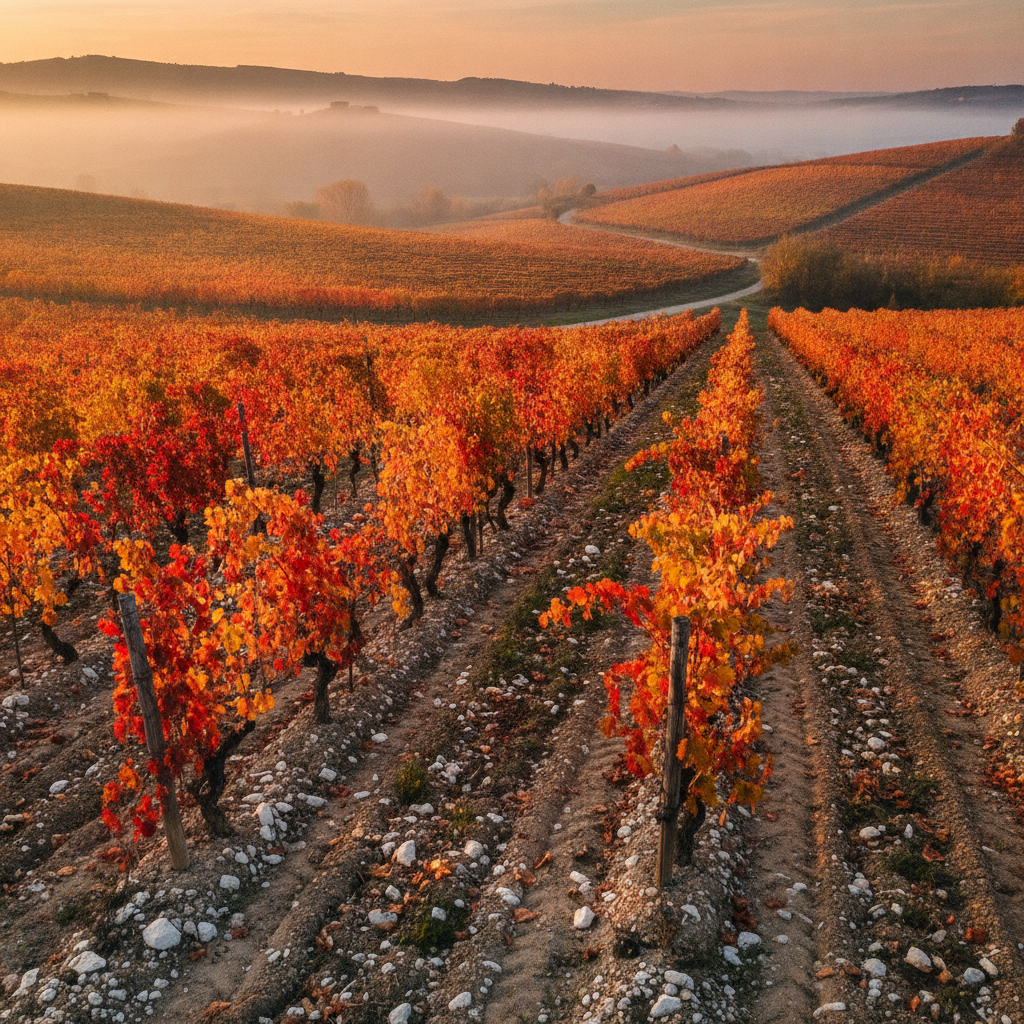
Piedmontese DOP red wines are known for their structure, intense color, and aging potential, thanks to a unique terroir with calcareous, alkaline, and mineral-rich soils. Indigenous grapes such as Nebbiolo, Barbera, and Dolcetto impart fruity notes and a distinct personality.
Indigenous Piedmontese grapes, like Nebbiolo, Barbera, Dolcetto, and Freisa, give life to a diverse range of labels. Barolo and Barbaresco, produced with Nebbiolo, are complex, tannic, and long-lived, with notes of rose and spices. Barbera offers fruity and acidic wines, while Dolcetto is lighter and more immediate. Agricultural management and harvest choices are fundamental to producing wines that meet the demands of the international market.
How do acidity and aging influence Piedmontese wines for export?
Acidity, when well-balanced, lends freshness and longevity to Piedmontese wines, but excessive tartness can be an obstacle to export. Oak aging, which imparts notes of vanilla and spices, is a historical and commercial practice that shapes the aromatic and gustatory profile, influencing perception in foreign markets.
Acidity is a distinctive element that, when well-managed, contributes to freshness and longevity. However, excessive acidity can be perceived negatively by foreign consumers. Aging in oak barrels, such as barriques or pièces, is a strategic technique that helps shape the wine's character, imparting complex aromatic notes and influencing its acceptance in international markets.
What are the emerging markets for Piedmontese DOP red wines?
The Czech Republic, Poland, and Mexico are identified as emerging markets with attractive potential for Piedmontese DOP red wines. The Czech Republic, in particular, has seen its imports of these wines double over the considered five-year period, indicating a concrete growth trajectory.
These emerging markets, while representing small shares of global imports, show significant growth potential. Understanding their consumption dynamics, preferences, and specific regulations is crucial for establishing an effective penetration strategy and seizing market opportunities.
What do foreign buyers look for in terms of regulations and expectations?
Foreign buyers require in-depth knowledge of destination country regulations, such as the mandatory indication of the country of origin for export. Compliance regarding wine composition, the presence of sulfur dioxide, and specific documentary requirements, such as certificates of analysis and EUR1, are also necessary.
Regulations vary significantly between markets, requiring attention to labeling requirements, wine composition, and customs documentation. The ability to organize documentary logistics and meet approval timelines is a determining factor for the success of export operations.
What export strategies should Piedmontese wineries adopt?
Piedmontese wineries should focus on in-depth knowledge of the product and market, effective adaptation and communication of their unique features, impeccable management of logistics and regulations, and the valorization of the "Made in Italy" origin.
It is essential to study destination markets, analyzing trends and competition. Communication must highlight the wine's strengths, such as appellation and terroir. Management of documentary logistics and regulatory compliance are crucial. Emphasizing the Piedmontese origin and the intrinsic quality of the product is a powerful marketing tool.

How do quality and refinement influence export success?
The export of "fine" and refined products, which require industrial and commercial audacity, guarantees higher earnings and less exposure to competition based on tariff variations, compared to "raw" wines. Piedmontese wineries have the opportunity to distinguish themselves by offering high-quality products that reflect the richness of the territory and the mastery of techniques.
Investing in the production of premium wines with a strong identity and a story to tell is the key to lasting success. High-quality products, reflecting the richness of the territory and the mastery of techniques, stand out in the international market, ensuring higher prices and less exposure to competition based on tariff factors.
Frequently Asked Questions
What are the main grape varietals used for Piedmontese DOP red wines intended for export?
The main indigenous grapes used include Nebbiolo, Barbera, Dolcetto, and Freisa, which give Piedmontese wines their distinctive characteristics.
How do Barolo and Barbaresco differ from other Piedmontese red wines?
Barolo and Barbaresco, produced primarily with Nebbiolo, are renowned for their aromatic complexity, tannic structure, and longevity, distinguishing themselves by their aging potential.
What specific regulations must I consider for exporting Piedmontese red wines?
It is necessary to inquire about the specific regulations of each destination country, which may include requirements on the indication of the country of origin, wine composition, and the necessary documentation for shipments.