Langhe Wineries: Exporting Italian Wine for International Markets
Wines Export 編集部 · 最終更新日:
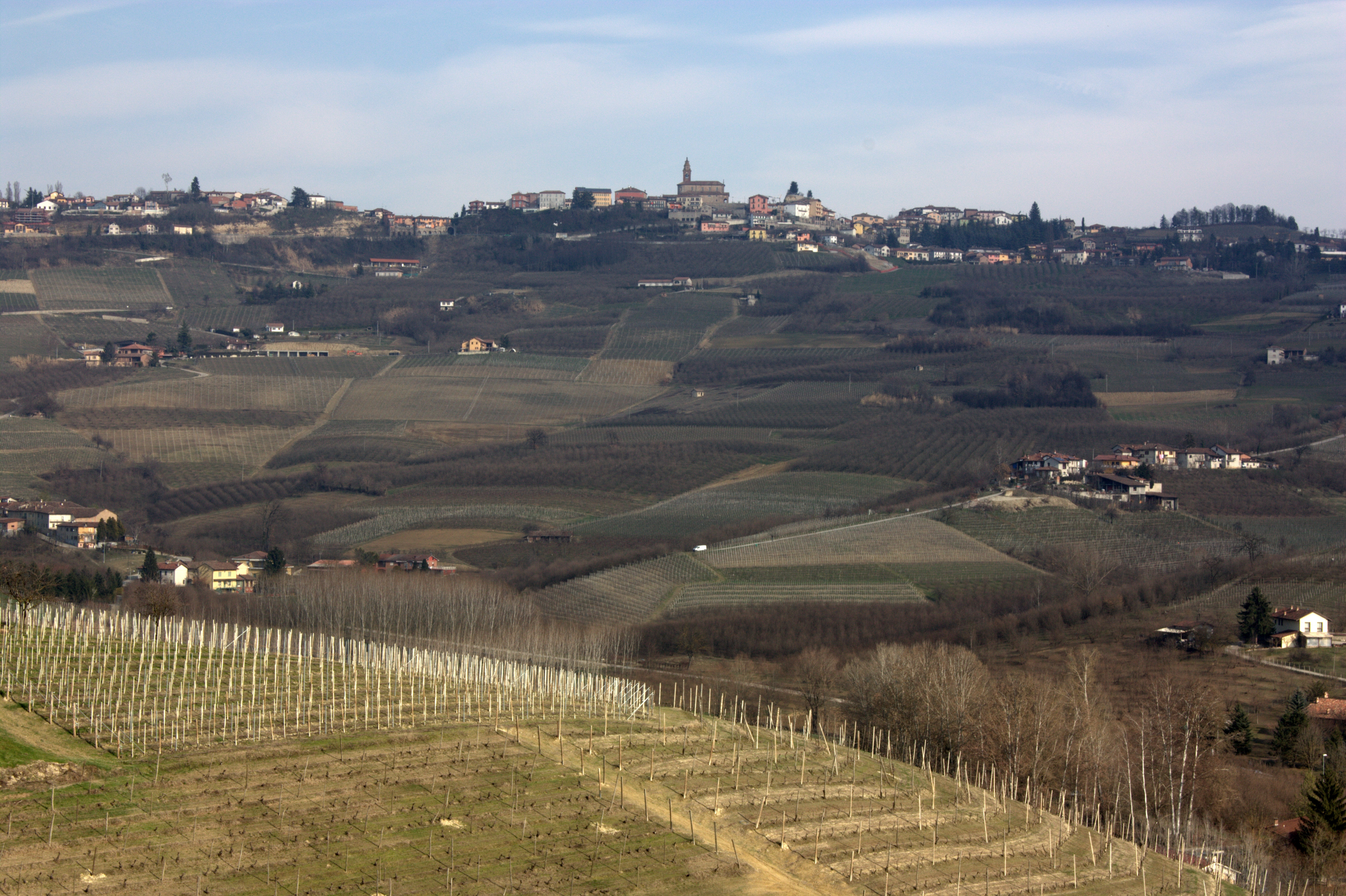
Langhe, the beating heart of Italian wine excellence, offers wines of world renown. However, successful export requires meticulous preparation and a deep understanding of international market dynamics. This article guides Langhe wineries through the fundamental aspects of successfully approaching foreign markets, analyzing their appellation regulations, the expectations of international buyers, and the key elements for a winning export strategy. In-depth look: Federdoc — National Confederation of Italian Wine Protection Consortia.
How Do Regulations Ensure the Quality of Langhe Wines?
Production regulations are the foundation that ensures the authenticity and quality of wines with Protected Designation of Origin (PDO) and Protected Geographical Indication (PGI). For Langhe wineries, these documents define the precise rules governing production, ensuring that each bottle reflects the traditions and unique characteristics of the territory.
According to European legislation, regulations must include essential elements to allow interested parties to verify production conditions (Article 94, EU Regulation). These include the name of the protected designation, wine product categories, the type of geographical indication (PDO or PGI), a detailed description of the wine (analytical and organoleptic characteristics for PDOs, only analytical and organoleptic evaluation for PGIs), and specific oenological practices and restrictions.
Consulting the official regulations, often available on institutional websites such as that of the Ministry of Agricultural, Food and Forestry Policies, is crucial. This document not only safeguards the brand's integrity but also provides potential foreign buyers with concrete guarantees on the wine's quality and origin. European regulations establish the general framework for the protection of these designations, emphasizing the importance of respecting territorial and production specifications.
What Documents Are Essential for Exporting Italian Wine?
Before initiating the first commercial contact, a winery must have a set of fundamental documents ready to demonstrate professionalism and compliance. Proper corporate and compliance documentation is the first step.
This includes the VAT number and updated Chamber of Commerce registration, necessary for buyer due diligence checks. The EORI number is indispensable for all export customs operations from the EU. Ensuring all ministerial authorizations and registrations in relevant registers (such as those for PDO/PGI vineyards) are in order is crucial, as is having voluntary certifications (organic, sustainability) translated into English, often requested by Anglo-Saxon or Northern European markets.
How Do Foreign Buyers Evaluate a Winery's Production Capacity?
A serious buyer will evaluate the winery's actual production capacity before entering into negotiations. It is crucial to be able to accurately state the annual volumes available for export, both per single reference and in total, and to clearly define the Minimum Order Quantity (MOQ) per reference and per container.
The availability calendar per vintage is particularly important for wines with limited production. The ability to manage these aspects transparently avoids building commercial plans on unassured volumes and demonstrates reliability.
What Professional Commercial Materials Do Foreign Buyers Expect?
Product presentation is as important as wine quality. Buyers expect high-quality commercial materials, including an export price list in the reference currency (EUR or USD), with clear pricing conditions (FOB/DDP).
Product technical sheets in English are required, with analytical details, grape variety, production method, allergens, and alcohol content. Professional quality photographic and video material, depicting bottles, labels, and the winery itself, is essential. The availability of samples, with clarity on shipping costs, completes the offering.
Why Is Trademark Registration Important for Export?
Before investing commercial time in a market, it is prudent to verify whether the winery's trademark is already registered or registrable in the target country. This step prevents potential trademark conflicts and ensures that commercial investment is not jeopardized by future disputes.
How Does Wines Export Support Langhe Wineries in Export?
Wines Export positions itself as a strategic partner for Italian wineries wishing to expand their presence in international markets. We understand the specific challenges that producers from a renowned territory like the Langhe face when approaching export.
Our B2B service is designed to connect Italian wineries with qualified foreign importers and buyers in numerous countries. Through our platform, wineries can access a consolidated network and receive support in preparing necessary documentation, defining commercial strategy, and negotiating with international counterparts.
For Langhe wineries, our expertise translates into identifying target markets, analyzing export opportunities for their wines. We offer sales preparation support, guiding in the drafting of price lists, technical sheets, and promotional materials compliant with international standards. We handle connections with qualified buyers, presenting the winery to selected importers and distributors in the markets of interest, and provide assistance in managing complexities, from customs documentation to market-specific regulations.
Frequently Asked Questions
Question 1
What are the fundamental requirements defined by the regulations to ensure the quality and authenticity of Langhe wines intended for export? Production regulations define precise rules for the production of PDO and PGI wines, including the name of the denomination, product categories, type of geographical indication, a detailed description of the wine, and specific oenological practices. These documents are essential to ensure that each bottle reflects the traditions and unique characteristics of the territory, providing foreign buyers with concrete guarantees of quality and origin.
Question 2
What essential documents must a winery have ready before initiating commercial contacts for exporting Italian wine? Before initiating commercial contacts, a winery must have corporate and compliance documentation ready, including its VAT number and updated Chamber of Commerce registration, the EORI number for customs operations, and all relevant ministerial authorizations and register entries. It is also crucial to have voluntary certifications, such as those for organic or sustainability, translated into English.
Question 3
How do foreign buyers assess a winery's production capacity, and what information is needed to demonstrate reliability? Foreign buyers assess production capacity by accurately stating the annual volumes available for export, both per single reference and in total, and clearly defining the Minimum Order Quantity (MOQ) per reference and per container. The availability calendar per vintage is particularly important for wines with limited production, and transparency in these aspects demonstrates reliability.