Etna Rosso: The Denomination Conquering International Markets
Wines Export 編集部 · 最終更新日:
Etna Rosso is an Italian denomination that is generating significant interest in international markets. Understanding its specific characteristics, production regulations, and the expectations of foreign buyers is crucial for wineries aiming for export. This wine, an expression of a unique terroir, offers distinctive qualities that make it sought after by global importers and distributors looking for niche products with high potential. Its volcanic origin and territorial identity are key elements for success in foreign markets. Further reading: Federdoc — National Confederation of Consortia for the Protection of Italian Wine Denominations.
What are the distinctive characteristics of the Etna Rosso territory?
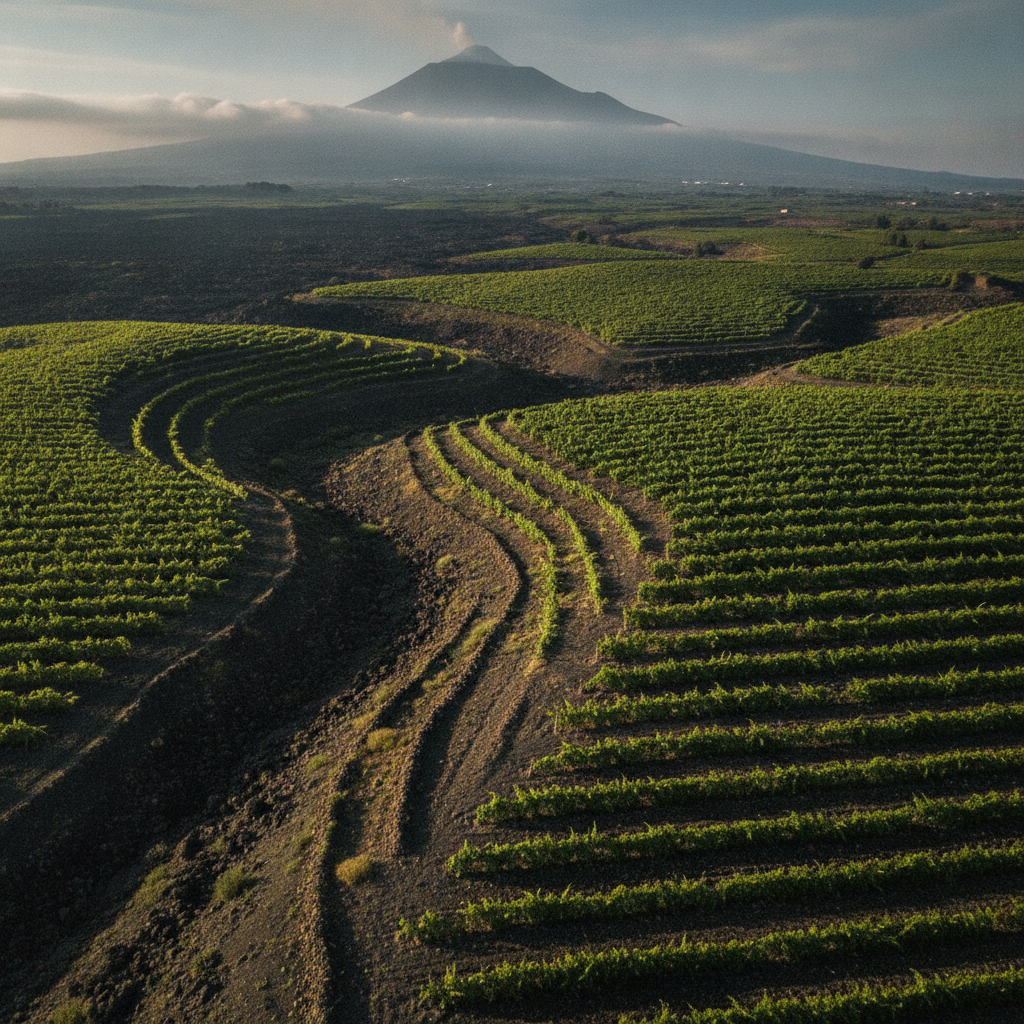
The Etna Rosso denomination stands out for its unique terroir, linked to the Etna volcano in Sicily. The volcanic soils, rich in minerals and well-drained, combined with high altitudes and significant temperature fluctuations, give the wines unmistakable characteristics. These environmental factors are ideal for cultivating indigenous grape varieties such as Nerello Mascalese and Nerello Cappuccio, the base of Etna Rosso, and attract foreign buyers seeking authentic stories and distinctive organoleptic profiles.
What does the Etna Rosso production regulation guarantee?
The production regulation for Etna Rosso, like other European denominations, ensures quality and authenticity. It defines the name of the denomination, the analytical and organoleptic characteristics of the wine, specific winemaking practices, the delimited geographical area, maximum yields per hectare, and the permitted grape varieties (primarily Nerello Mascalese and Nerello Cappuccio). For foreign buyers, a rigorous regulation signifies reliability and consistency, essential elements in selecting wines for import.
What are foreign buyers' expectations regarding Etna Rosso?
Foreign buyers look for uniqueness in Etna Rosso, linked to its volcanic origin and terroir. They seek indigenous grape varieties like Nerello Mascalese and good aging potential. They appreciate the consistency and reliability guaranteed by the production regulation, as well as the storytelling power associated with the volcano. They also evaluate market potential and the wine's ability to stand out in a competitive landscape, making Etna Rosso a strategic choice.
How is Etna Rosso positioned in the international market?
Etna Rosso is positioned as a niche wine with significant international market potential. Its volcanic origin and strong territorial identity make it unique, responding to the growing demand for wines that tell an authentic story. The curiosity towards indigenous grape varieties like Nerello Mascalese and its aging potential further contribute to its attractiveness for buyers and consumers seeking new and distinctive sensory experiences.
What are the main grape varieties permitted in Etna Rosso production?
The main grape varieties permitted in the production of Etna Rosso are Nerello Mascalese and Nerello Cappuccio. These indigenous grapes thrive in the volcanic terroir of Etna, contributing to the wine's unique and distinctive characteristics. The production regulation clearly specifies the permitted varieties, ensuring the authenticity and typicality of the denomination for international markets.
How does Wines Export support wineries producing Etna Rosso?
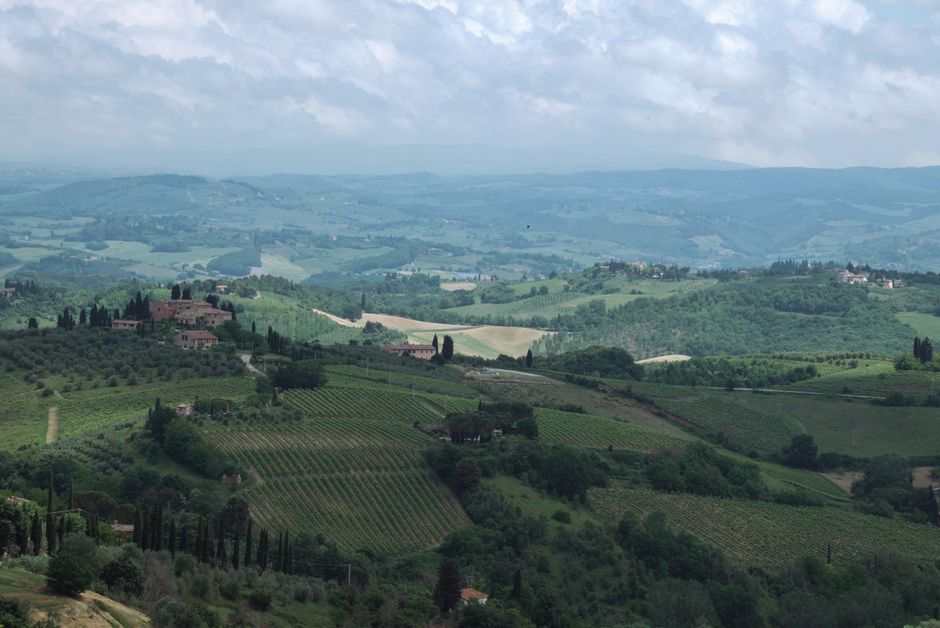
Wines Export supports wineries producing Etna Rosso through its consolidated network of producers who embody the excellence of this denomination. Our network of foreign buyers shows increasing interest in unique denominations like Etna Rosso. We offer wineries the opportunity to present their wines to a qualified audience of importers and distributors, facilitating their internationalization journey and establishment in global markets.
Frequently Asked Questions
What are the main grape varieties used for Etna Rosso?
The main grape varieties used for Etna Rosso are Nerello Mascalese and Nerello Cappuccio, as stipulated by the production regulation.
What makes the Etna Rosso terroir unique for foreign buyers?
The Etna Rosso terroir is unique for foreign buyers due to its mineral-rich volcanic soils, high altitudes, and significant temperature fluctuations, which impart distinctive characteristics and a strong territorial identity to the wine.
Is the Etna Rosso production regulation an important factor for export?
Yes, the production regulation is a crucial factor for the export of Etna Rosso. It guarantees quality, authenticity, and consistency, essential elements that foreign buyers seek to ensure product reliability and end-consumer satisfaction.
Etna Rosso is a wine that embodies the excellence of Made in Italy, combining the peculiarities of the volcanic territory with Italian winemaking tradition. For wineries aiming to expand their international presence, understanding and valuing aspects related to the denomination, production regulation, and buyer expectations is fundamental. Collaboration with expert partners like Wines Export can provide the necessary strategic support to navigate the complexities of export and bring the charm of Etna Rosso to tables worldwide.