Franciacorta: Bringing Your Quality Sparkling Wine to International Markets
Wines Export 編集部 · 最終更新日:
Franciacorta Spumante is an Italian excellence, renowned for its quality and rigorous regulations. Produced in Lombardy using the classic method, it offers foreign buyers a high-value, distinctive product that complies with European PDO standards. Understanding its specificities is crucial for wineries aiming for export, ensuring a prestigious position in the global sparkling wine market. Learn more: Federdoc — Confederazione Nazionale Consorzi Tutela Denominazioni Vini Italiani.
The Franciacorta Regulation: Guarantee of Quality and Identity
What does the Franciacorta production regulation govern?
The regulation defines every production phase, from manual harvesting to secondary fermentation in the bottle, and disgorging. This ensures a high qualitative standard and adherence to the classic method, enhancing the craftsmanship of the process.
The regulation is the foundation of Franciacorta's reputation. It governs every aspect, from the manual collection of grapes to the refermentation in the bottle, guaranteeing a product of excellence. Events like "Festival in Cantina" aim to communicate this meticulous attention to quality and the artisanal process.
Why can Franciacorta omit "Spumante" on the label?
The European Union recognizes Franciacorta's right to indicate only the name "Franciacorta" on the label, without the addition of "spumante" (sparkling). This exclusivity, shared only with Champagne and Cava among the great European bottle-fermented sparkling wines, underscores the strong autonomous identity of the denomination.
What essential information is included in the PDO regulation?
As with all European Protected Designation of Origin (PDO) regulations, the document includes the name of the product, wine categories, geographical indication type, a detailed description of analytical and organoleptic characteristics, and any specific oenological practices with related restrictions.
How do regulations adapt to evolving wine trends?
Modifications to regulations aim to update the legal framework to the actual characteristics of wines and to better detail the typologies. Parameters such as aroma, flavor, and acidity are reviewed, and specific requirements for wines aged in wood are introduced, allowing them to exhibit woody notes.
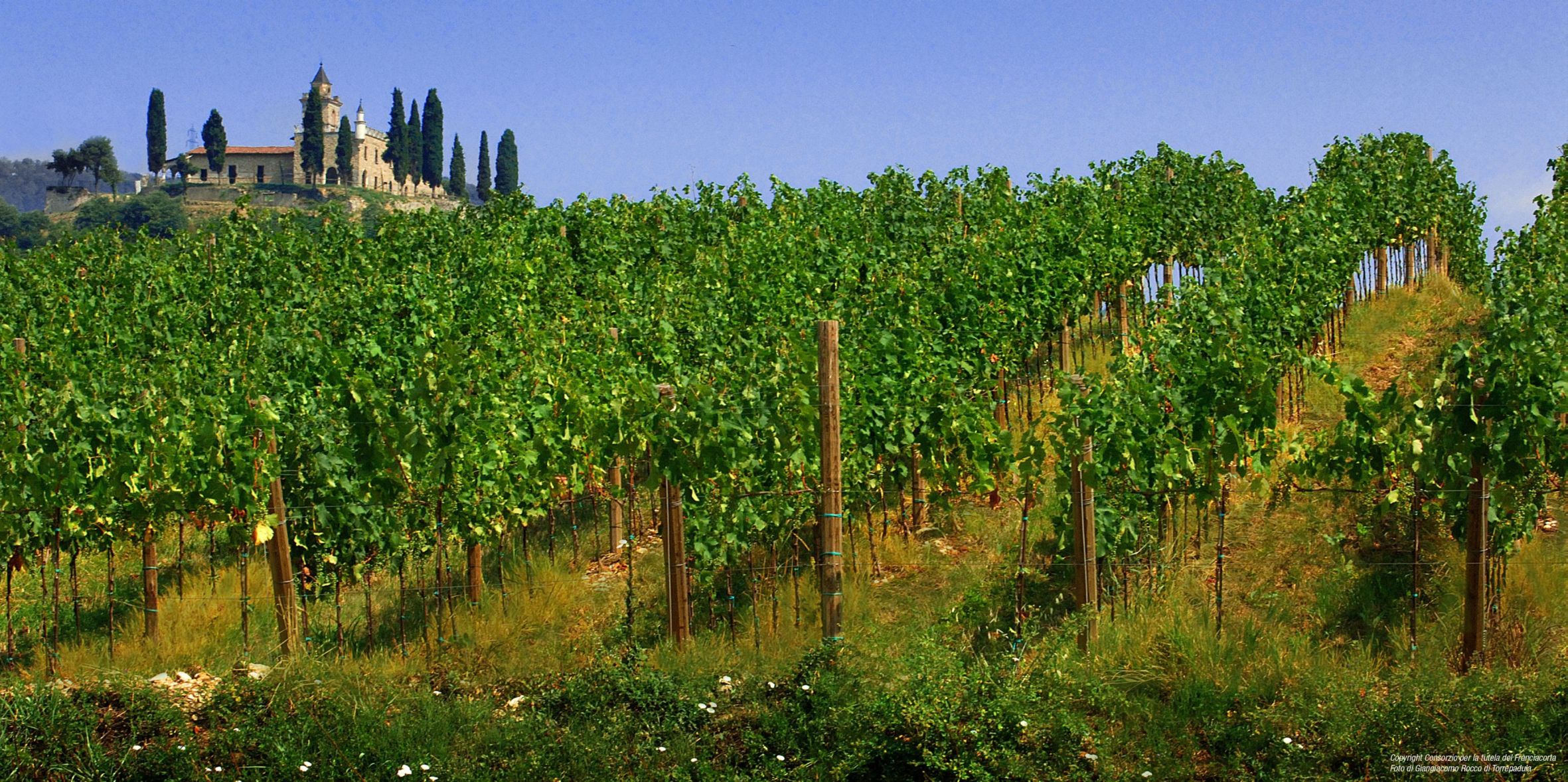
Franciacorta Typologies and Their Characteristics
What are the main types of Franciacorta?
The regulation provides for three main typologies: Franciacorta (base), Franciacorta Satèn (exclusive, more delicate), and Franciacorta Rosé (made from Pinot Noir). To these are added the Millesimato and Riserva variations for superior quality standards and longer aging.
- Franciacorta: Represents the essence of the denomination, produced using the classic method.
- Franciacorta Satèn: Characterized by lower bottle pressure (under 5 bar) and produced only from white grapes, it offers greater softness and a velvety texture, evoked by the name "Satèn."
- Franciacorta Rosé: Obtained from the maceration of Pinot Noir grapes or by adding Pinot Noir base wine, it presents distinctive chromatic nuances and aromatic profiles.
How are the characteristics of the typologies defined?
Regulatory changes detail precise parameters for color, taste, minimum total potentially actual alcohol content, minimum total acidity, and minimum non-reducing extract. Specifications for wines aged in wood enhance aromatic complexity, especially for mature markets.
What Foreign Buyers Look for in Franciacorta Spumante
Why are quality and prestige fundamental for foreign buyers?
Foreign buyers seek high-end wine in Franciacorta, synonymous with Italian quality. Production using the classic method, long aging on lees, and a rigorous regulation strengthen the perception of excellence and guarantee aromatic complexity and finesse.
How do authenticity and connection to the territory attract international markets?
International markets are increasingly interested in the stories behind wine. Franciacorta's inseparable link to its territory, its history, and its artisanal production method are strong attractive elements. Direct experience of the production process, such as during dedicated events, adds experiential value.
How does Franciacorta distinguish itself from other sparkling wines in the global market?
Franciacorta stands out for its Italian identity and production method. The ability to omit the term "spumante" positions it in a category of excellence, akin to Champagne and Cava, but with a distinctive Italian character.
What is the importance of growth potential and innovation for buyers?
Buyers are attentive to dynamic and adaptable denominations. The continuous reviews of regulations demonstrate careful and proactive management, aimed at improving legal protection and better defining wine characteristics, signaling growth potential.
Why are product consistency and reliability crucial for commercial relationships?
The guarantee offered by a well-defined and controlled regulation assures buyers of the product's consistent characteristics. This is fundamental for building trust and long-term commercial relationships, ensuring a reliable offering to end consumers.
The Role of the Wines Export Producers Pool
For wineries that are part of the Wines Export producers pool, the Franciacorta denomination represents an opportunity for high-level positioning. Our network of foreign buyers is constantly seeking Italian excellences like Franciacorta. Our export expertise facilitates the achievement of commercial goals for wineries operating according to the highest quality standards.
Frequently Asked Questions
What grapes are permitted for Franciacorta production?
The regulation permits the use of Chardonnay, Pinot Noir, and Pinot Blanc grapes. For Franciacorta Satèn, only white grapes are allowed, while Franciacorta Rosé can include Pinot Noir grapes.
How long must Franciacorta age on lees?
The minimum aging periods on lees vary by type: 18 months for base Franciacorta, 24 months for Satèn and Millesimato, and 30 months for Riserva.
Can Franciacorta be produced using the Charmat method?
No, Franciacorta is produced exclusively using the classic method, which involves refermentation in the bottle. This process ensures the fineness of the bubbles and aromatic complexity.