Prosecco DOP: Discover the Regulations and Opportunities for the International Market
Spumante Prosecco represents one of the most recognized and appreciated Italian excellences on the international sparkling wine scene. Its growing popularity in foreign markets is not by chance, but the result of a combination of tradition, innovation, and rigorous production regulations that guarantee its quality and authenticity. For Italian wineries looking to export and for international buyers seeking distinctive products, a thorough understanding of Prosecco's specifics is crucial. This article explores the designation, its regulations, distinctive characteristics, and the opportunities this wine offers in the global market. For more information: Federdoc — National Confederation of Consortia for the Protection of Italian Wine Designations.
Why is Prosecco a Protected Designation?
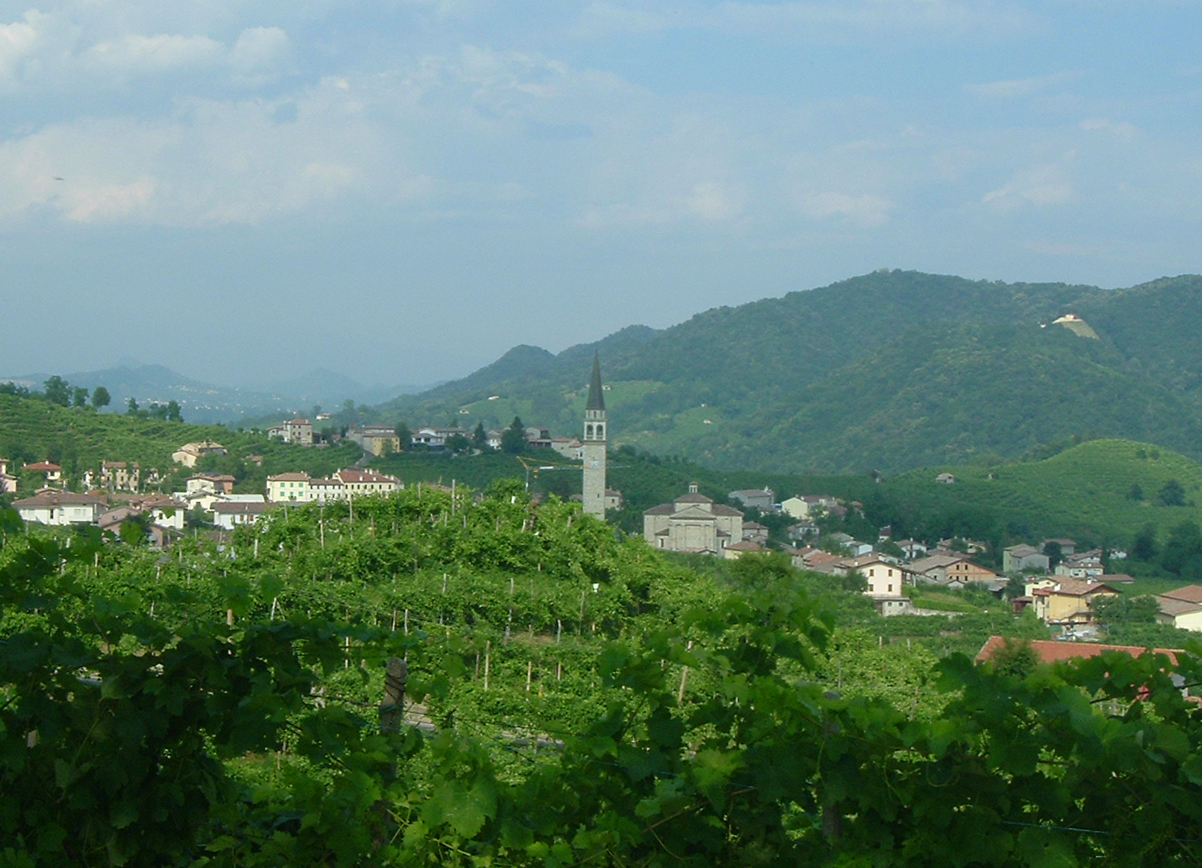
Prosecco is a Protected Designation of Origin (PDO) that identifies an Italian sparkling wine produced primarily in the Veneto and Friuli-Venezia Giulia regions. The designation is linked not only to a specific grape variety, Glera, but also to a well-defined territory and a production method that enhances its aromatic characteristics and freshness.
Recognition as a PDO, established at the European level, guarantees that the wine meets high quality standards and that its origin is strictly linked to the production area. This seal of quality is a crucial element for foreign consumers and importers seeking products with a history and a guarantee of origin.
What are the Rules of the Prosecco Production Regulations?
The production regulations are at the heart of the Prosecco designation, defining the rules that each producer must follow to be able to label their wine with this prestigious mark.
Key aspects defined by the Prosecco production regulations include:
- Grape Varieties: The regulations specify the permitted grape varieties. For Prosecco, the primary variety is Glera, which must constitute at least 85% of the wine. Other indigenous or international varieties may be permitted in smaller percentages.
- Geographical Area: The area for grape cultivation and wine production is precisely defined. For Prosecco, this area is confined to specific provinces in Veneto and Friuli-Venezia Giulia.
- Enological Practices: The regulations dictate the rules for winemaking and sparkling wine production. For Prosecco, the most common method of sparkling wine production is the Martinotti Method (or Charmat), which involves secondary fermentation in large pressurized tanks (autoclaves). This method preserves the freshness and the fruity and floral aromas typical of the Glera grape. Some sub-designations or special versions may also provide for the Classic Method.
- Yield per Hectare: Maximum grape yields per hectare are established to ensure the concentration and quality of the grapes.
Compliance with these rules is verified by authorized control bodies, which ensure adherence to the regulations and the protection of the designation.
What Characteristics Make Prosecco Unique?
Prosecco is distinguished by a series of characteristics that have led to its global success:
- Aromaticity: The Glera grape variety lends Prosecco intense and pleasant aromas of white flowers (such as acacia and hawthorn), fresh fruit (green apple, pear, citrus), and sometimes herbaceous notes.
- Freshness and Vivacity: Thanks to the Martinotti Method, Prosecco maintains a distinct freshness, with good acidity and a fine, persistent perlage, making it a highly drinkable and versatile wine.
- Versatility: The range of sweetness, from Brut to Dry, allows Prosecco to accompany a wide variety of dishes, from aperitifs to light first courses, from fish dishes to fresh cheeses. The Brut Nature version, in particular, lends itself to more adventurous pairings.
- Value for Money: Prosecco generally offers excellent value for money, making it accessible to a broad international audience.
What Do International Buyers Look for When Purchasing Prosecco?
International buyers, whether they are importers, distributors, or restaurateurs, are looking for products that offer not only quality and authenticity but also good market potential. In the case of Spumante Prosecco, several factors play a key role:
- Reputation of the Designation: Prosecco enjoys an excellent global reputation. Buyers know that by purchasing Prosecco PDO, they are buying a recognized and appreciated Italian product.
- Consistency and Constant Quality: The ability to provide a product of consistent quality, year after year, is fundamental. Compliance with the regulations by wineries guarantees this consistency.
- Versatility and Consumption Target: The range of sweetness in Prosecco makes it suitable for different markets and consumption occasions. Buyers assess a product's ability to meet the needs of a wide spectrum of consumers, from informal aperitifs to more structured dinners.
- Profit Margin and Volume Potential: While quality is paramount, buyers must also consider the profit potential and a product's ability to generate significant sales volumes. Prosecco, thanks to its popularity, often offers good prospects in this regard.
- Storytelling and Authenticity: Buyers are increasingly interested in the story behind the wine: the winery, the territory, the people. An authentic narrative linked to the designation and the specificities of each winery can make a difference.
- Regulatory Compliance: The certainty that the product complies with all import regulations of the destination country is an essential prerequisite. The Prosecco PDO simplifies this aspect, being an internationally recognized mark.
How Does Wines Export Support Prosecco Exports?
Wines Export works with dozens of Italian wineries that produce excellent sparkling wines, many of which specialize in or have a strong presence in the Prosecco segment. Our pool of producers includes entities operating both in the historic areas of the designation and in emerging regions, ensuring a wide range of styles and price points.
For international buyers, this means having access to a diversified Prosecco portfolio that can meet specific needs in terms of taste, volume, and market positioning. Our network allows us to identify ideal partners for every type of importer, facilitating strategic connections based on quality, reliability, and mutual growth potential.
Frequently Asked Questions
What are the permitted grape varieties in the production of Prosecco DOP?
The primary permitted variety is Glera, which must constitute at least 85% of the wine. Other indigenous or international varieties may be permitted in smaller percentages.
What is the most common method for producing Prosecco sparkling wine?
The most common method for producing sparkling wine is the Martinotti Method (or Charmat), which involves secondary fermentation in large pressurized tanks (autoclaves).
What are the main organoleptic characteristics of Prosecco?
Prosecco is distinguished by intense aromas of white flowers and fresh fruit, distinct freshness, good acidity, and a fine, persistent perlage.
Spumante Prosecco DOP is not just a successful wine, but a genuine business opportunity for Italian wineries and international partners. The combination of a strong designation, rigorous regulations, appreciated organoleptic characteristics, and a competitive price makes it an ideal product for export.
For wineries, investing in quality and communicating their identity within the Prosecco designation is the key to conquering new markets. For international buyers, selecting reliable partners and products that embody Italian excellence is a winning strategy to offer their customers a wine with great appeal and guaranteed success.
Are you an Italian winery interested in expanding your presence in international markets with your Spumante Prosecco?
Request a personalized demo and discover how Wines Export can help you navigate the complexities of wine export, connecting you with the right buyers and supporting your global growth.