Tuscan Wines: Appellations, Characteristics, and International Markets
For Italian wineries targeting export markets, understanding the nuances of Tuscan wine appellations and the precise needs of international buyers is crucial. This article guides readers through production rulebooks, characteristics sought by international markets, and the role of consortia, offering a clear perspective for navigating global wine trade. The aim is to provide the tools to enhance the authenticity and quality of Tuscan wines, opening new market opportunities. Learn more: Federdoc — National Confederation of Consortia for the Protection of Italian Wine Denominations.
How are Tuscan Wine Appellations Structured?
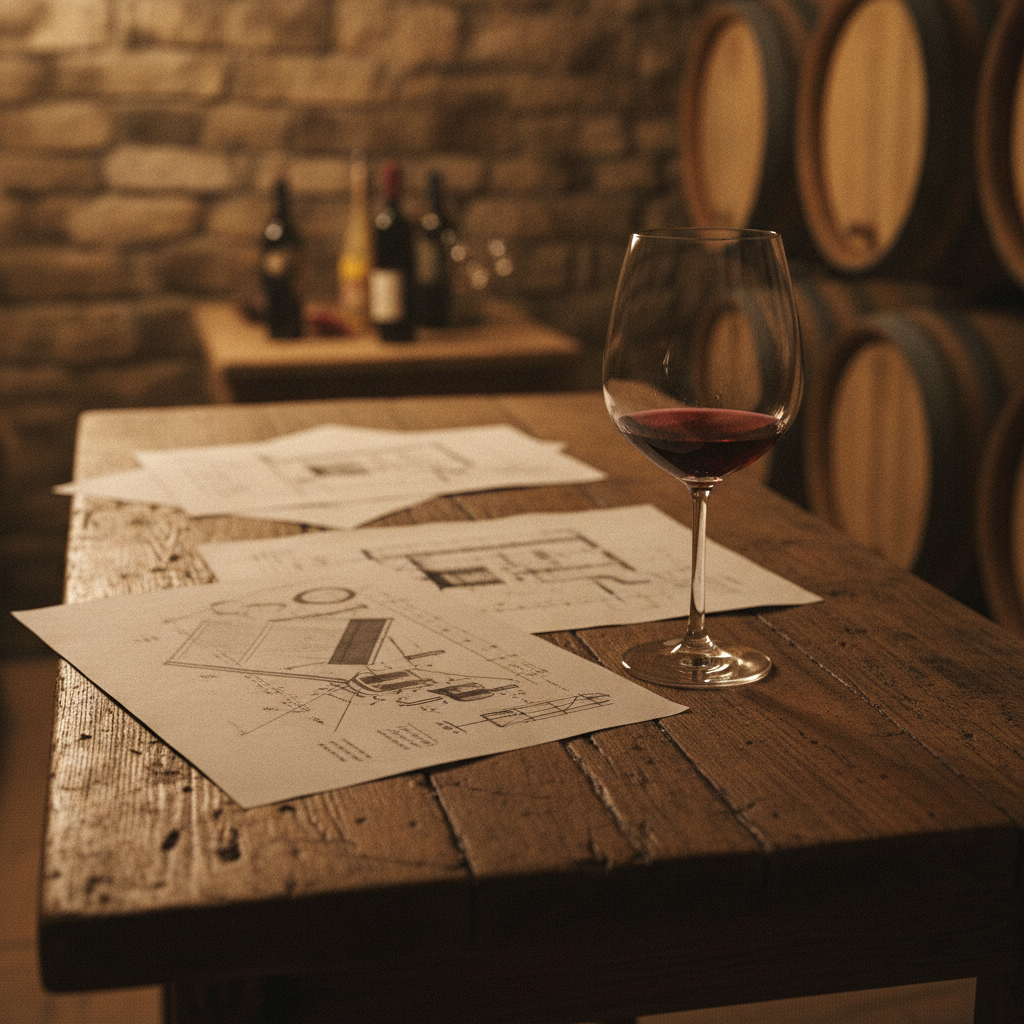
Italian appellations, including Tuscan wines, are based on production rulebooks that define precise regulations for grape cultivation, winemaking, and wine characteristics. These technical documents guarantee authenticity and quality, specifying the name, applicant, rulebook, summary document, wine description, enological practices, geographical area, maximum yields, and permitted grape varieties.
The production rulebook is the core of the appellation system. It details the analytical and organoleptic characteristics required for DOCG and DOC wines, or analytical characteristics for IGTs. It also includes restrictions on enological practices, the exact delimitation of the geographical production area, and yield limits per hectare, ensuring that only high-quality grapes are used.
Legislation allows for the recognition of "sub-zones" within existing appellations if specific micro-zones offer exceptional quality. These sub-zones can have autonomous and more restrictive rulebooks, strengthening the image of Italian wine abroad. An example is the mandatory indication of "Toscana" on the label of wines such as "Montecucco Sangiovese" to reinforce the regional connection.
What is the Role of Protection Consortia for Tuscan Wines?
Protection Consortia play a vital role in promoting and safeguarding appellations. They oversee compliance with production rulebooks and actively engage in promoting wines both nationally and internationally. The Consorzio Vino Orcia, for instance, enhances exports through "Ambassadors" who promote the territory's brand.
What Do International Buyers Look for in Tuscan Wines?
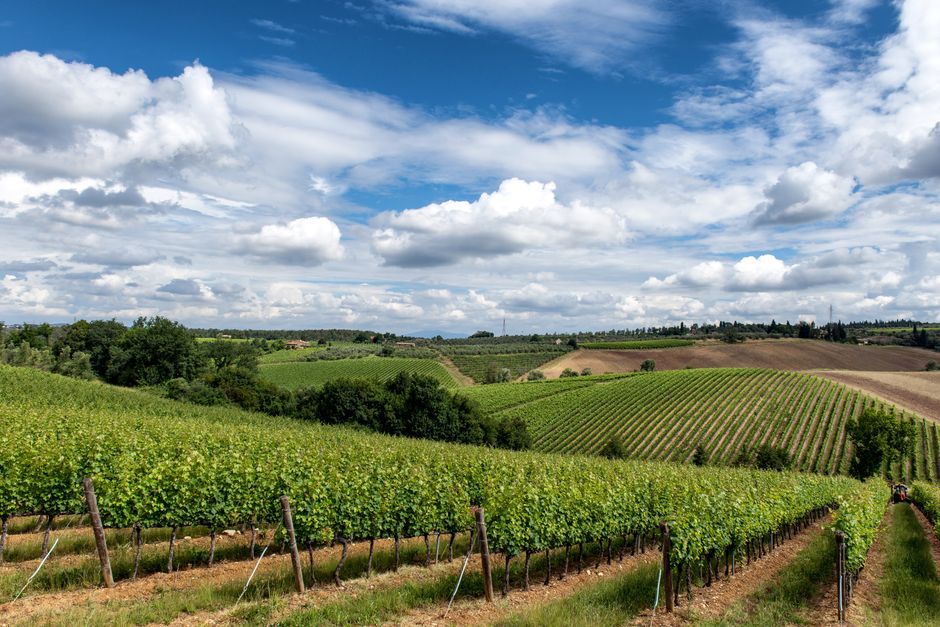
International buyers seek wines that offer authenticity, a sense of place, and a story to tell. Tuscany, with its diversity, is fertile ground for wines that express their origin terroir, featuring indigenous grape varieties and centuries-old traditions that strongly appeal.
Consistent quality and reliability are essential prerequisites for buyers. Strict adherence to production rulebooks guarantees this consistency, building lasting commercial relationships based on trust in the winery's ability to supply wines that meet specifications.
Traceability throughout the entire production chain is increasingly in demand. Buyers want certainty about the origin of grapes and agricultural and winemaking practices, ensuring compliance with health and food safety regulations.
Buyers also evaluate market potential and differentiation. Unique wines that respond to new trends, such as the growing demand for quality white wines, or that offer good value for money, have a greater chance of success.
Storytelling and brand identity are crucial. Buyers are interested in wineries that effectively communicate their philosophy, the history of the territory, and the grape varieties, creating an emotional connection with the end consumer.
Finally, compliance with international regulations is an indispensable prerequisite. Labeling must adhere to the rules of the destination countries, including appellation, ingredients, allergens, and specific regulations.
Tuscany boasts a rich winemaking heritage, with numerous DOCG and DOC appellations, as well as IGTs. Our network covers multiple denominations, from classics like Chianti Classico and Brunello di Montalcino, to DOCs like Maremma Toscana, and even emerging ones and IGTs. This extensive coverage allows us to meet international demands with wines that respect production rulebooks and respond to market trends.
Frequently Asked Questions
What are the main Tuscan wine appellations most requested abroad?
The most requested Tuscan appellations abroad include DOCGs such as Chianti Classico, Brunello di Montalcino, Vino Nobile di Montepulciano, and Morellino di Scansano, as well as DOCs like Maremma Toscana and Montecucco.
What does it mean for a Tuscan wine to respect its production rulebook?
It means the wine has been produced following precise rules defined for that specific appellation, concerning grape cultivation, winemaking practices, geographical area, and the wine's characteristics, thereby guaranteeing authenticity and quality.
How can I ensure my Tuscan wines comply with foreign market regulations?
It is essential to verify the specific regulations of each destination country regarding labeling, ingredient declaration, the presence of allergens, and appellation rules.
Tuscan wines represent an excellence of Made in Italy, appreciated worldwide. For wineries wishing to expand their presence in international markets, a deep understanding of production rulebooks, territorial specificities, and the expectations of international buyers is essential. Wines Export positions itself as a strategic partner to facilitate this journey, connecting Italian wineries with global importers and distributors, and supporting them in showcasing their unique products.
If your winery is ready to explore new export opportunities and wishes to better understand how to position your Tuscan wines in the international market, request a personalized demo.