Wines of Basilicata: Opportunities for International Import
Wines Export 編集部 · 最終更新日:
Basilicata, a region in Southern Italy, is emerging as a land of great enological potential. Far from the spotlight of major appellations, this region guards an authentic wine heritage, characterized by indigenous grape varietals, unique terroirs, and artisanal production that is capturing the attention of international buyers and importers seeking distinctive Italian excellences. This article aims to be a comprehensive guide for foreign operators interested in exploring and integrating Lucanian wines into their portfolios, analyzing market opportunities, qualitative peculiarities, and operational aspects related to export. Federdoc — National Confederation of Consortia for the Protection of Italian Wine Denominations.
What are the distinctive characteristics of Basilicata wines?
Basilicata boasts a millennia-old history tied to viticulture, with roots reaching back to the Magna Graecia era. Its territory, predominantly mountainous and hilly, is characterized by a Mediterranean climate with significant temperature fluctuations, ideal for the maturation of high-quality grapes. The hinterland hosts vineyards thriving on clayey, calcareous, and sandy soils, imparting complex and distinctive aromatic profiles to the wines.
Which indigenous grape varietals characterize Lucanian wine production?
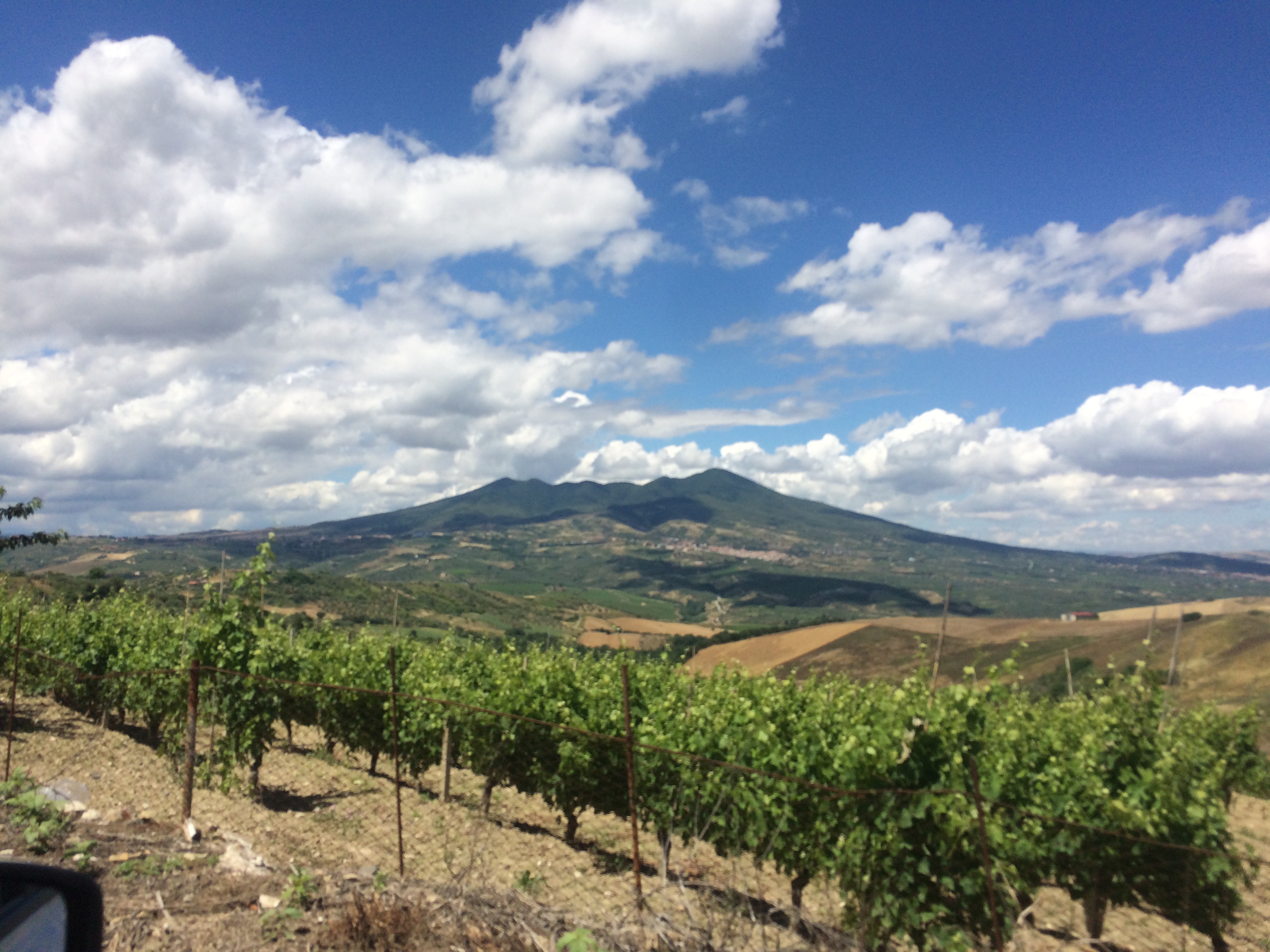
Among the red grape varietals, Aglianico stands out, considered the "Barolo of the South," finding its ultimate expression in Aglianico del Vulture. Cultivated on the slopes of the extinct Vulture volcano, this varietal produces structured, long-lived wines with intense notes of ripe red fruit, spices, and mineral hints. Aglianico del Vulture is the emblem of enological Basilicata.
Alongside Aglianico, we find other indigenous varietals of great interest:
- Primitivo: Although more known in Puglia, it finds interesting interpretations in Basilicata, yielding fruity and immediately enjoyable wines.
- Sangiovese: Present in some areas, it contributes with its acidity and structure to more balanced wines.
Regarding white grape varietals, Basilicata offers:
- Malvasia Bianca: Used to produce aromatic and fresh wines.
- Greco and Fiano: Historic varietals undergoing rediscovery, capable of yielding wines with good structure and longevity.
What are the main wine appellations in Basilicata?
The primary appellations representing Lucanian excellence include:
- Aglianico del Vulture DOC: The region's flagship, with powerful and complex red wines.
- Terre dell'Alta Val d'Agri DOC: An appellation that encompasses various wine types, valorizing the territory.
- Basilicata IGT: The Typical Geographical Indication that allows for greater varietal and territorial flexibility, offering a wide range of wine expressions.
Why are Basilicata wines an opportunity for foreign buyers?
International buyers and importers are constantly searching for products that offer uniqueness, authenticity, and good value for money. In this landscape, Basilicata wines present several strengths that make them particularly attractive to the global market.
How do the authenticity and territoriality of Lucanian wines attract foreign markets?
Lucanian wines embody the essence of "authentic Italian wine," far from the most frequented commercial circuits. Aglianico del Vulture, in particular, is a wine with a strong territorial identity, capable of telling a unique story, an element increasingly sought after by international consumers.
What is the value of Lucanian indigenous grape varietals for a diversified product portfolio?
The growing global demand for lesser-known but high-quality varietals makes wines based on Aglianico, Malvasia, or Greco particularly attractive to buyers looking to differentiate themselves. These varietals offer unique organoleptic profiles that can enrich an importer's offering.
How do Lucanian wines position themselves in terms of value for money compared to other Italian appellations?
Many Lucanian wines, while offering quality comparable to more renowned appellations, maintain competitive prices. This makes them ideal for value-conscious market segments, offering excellent margin opportunities for importers.
What winery stories make Basilicata wines unique for international marketing?
Lucanian wineries often boast stories of passion, family tradition, and the revival of ancient grape varietals. These narratives are powerful marketing tools for foreign markets, which increasingly appreciate the "behind-the-scenes" of wine production and the authenticity of the people.
What are the operational and regulatory aspects to consider when exporting wine from Basilicata?
Exporting wine from Basilicata requires a thorough understanding of operational procedures and current regulations in target markets. While specifics vary greatly from country to country, some general principles remain constant to ensure a smooth process.
How is trade negotiation and commercial negotiation managed for wine export?
The process begins with qualifying the foreign buyer, verifying their financial solidity and necessary licenses. The winery will send a proforma invoice detailing products, quantities, prices, and Incoterms. Negotiation will lead to the definition of a contract specifying Incoterms (e.g., FOB, CIF) and Minimum Order Quantity (MOQ) to optimize shipping costs.
What is the essential documentation for exporting Italian wine?
Preparing the correct documentation is crucial to avoid customs delays or blockages. Typically required documents include: Commercial Invoice, Packing List, Bill of Lading or Air Waybill, Certificate of Origin (often replaced by EUR 1 for EU countries or specific agreements), and Certificate of Analysis (CoA).
What specific regulations must be considered for different target markets?
Each market has its peculiarities. For instance, within the European Union, EMCS (Excise Movement and Control System) is essential for the movement of excisable goods. Labeling regulations are harmonized, but additional national requirements may exist. Collaboration with an experienced importer in the target market is often key to navigating these complexities.

Frequently Asked Questions
What are the main red grape varietals cultivated in Basilicata for export?
The main red grape varietals cultivated in Basilicata for export include Aglianico, with its ultimate expression in Aglianico del Vulture, and Primitivo, which finds interesting interpretations in the region.
What are the most representative wine appellations of Basilicata for foreign markets?
The most representative wine appellations of Basilicata for foreign markets are Aglianico del Vulture DOC, recognized for its powerful and complex red wines, and Basilicata IGT, which offers greater varietal and territorial flexibility.
What advantages does exporting wines from Lucanian indigenous grape varietals offer compared to international ones?
Exporting wines from Lucanian indigenous grape varietals offers uniqueness and authenticity, responding to the growing global demand for distinctive products. These wines tell a strong territorial story, differentiating themselves from the standardized offering of international varietals.
Basilicata is establishing itself as a wine region of great interest for the global market. Its wines, rooted in a unique territory and driven by fine indigenous grape varietals, offer authenticity, quality, and significant growth potential. For foreign buyers and importers seeking Italian excellences that stand out from the crowd, Lucanian wines represent a strategic choice rich with opportunities.