Sangiovese: Cultivation, History, and International Markets
Sangiovese Grosso, a cornerstone of Italian viticulture, offers significant export potential for wineries that leverage its unique qualities. This grape, at the heart of many internationally renowned wines, requires a deep understanding of its ampelographic characteristics, cultivation needs, and aromatic profile for effective expansion into foreign markets. Grasping these aspects is crucial for differentiation and for capturing new global consumers by narrating the authentic story of Italian wine. Learn more at: MASAF - National Register of Grape Varieties.
Where Does Sangiovese Grosso Originate and Where Is It Found?
The historical origins of Sangiovese Grosso are tied to Central Italy, particularly the provinces of Florence and Siena. Here, it forms the foundation of iconic wines such as Chianti, Rufina, Pomino, and Nipozzano. Its adaptability has led to its widespread cultivation in many other Italian wine-producing areas, with expressions that vary based on terroir, climate, and soil.
Sangiovese Grosso is a grape variety of significant qualitative importance, known for its robustness and longevity. It adapts well to clay-limestone soils and favors sunny exposures, ideal conditions for grape maturation and the development of complex aromas.
What Are the Distinctive Characteristics of Sangiovese Grosso?
Sangiovese Grosso is distinguished by a light-colored budbreak and small to medium, trilobed leaves of a dark, matte green color. The shoots are sturdy, light cinnamon in color, with medium-length internodes. The buds are large and conical, while the flower may open early or late depending on the source.
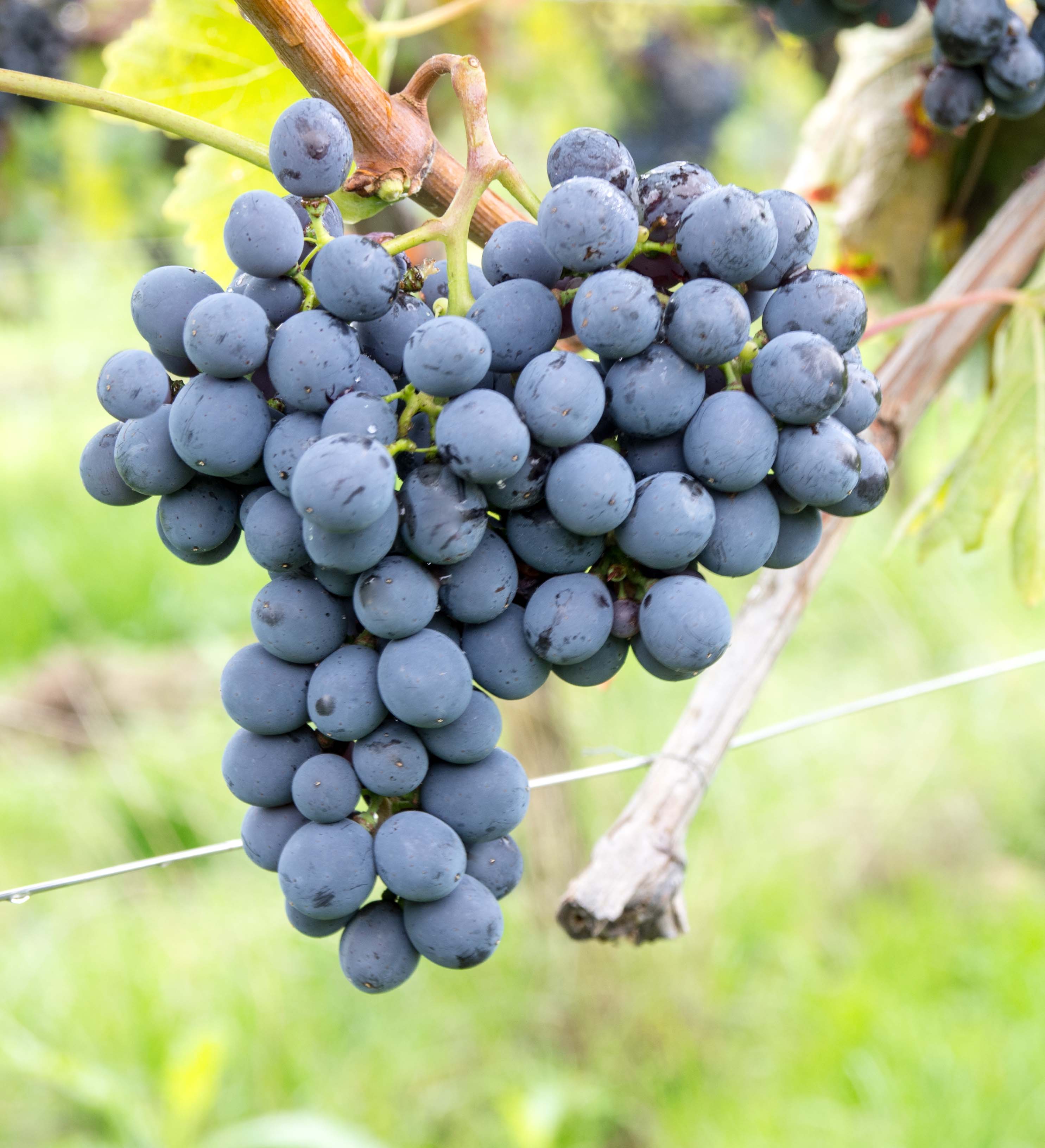
The berries are large, oval, deep black-violet in color, bloom-covered, and firm, showing resistance. Other descriptions indicate medium to small berries, oblong or sub-round, with a pruinose skin of a black-violet hue.
What Are the Cultivation Needs of Sangiovese Grosso?
Sangiovese Grosso prefers fresh, fertile, deep, and humus-rich soils, preferably clay-limestone. It requires well-exposed, sunny locations to ensure full maturation. Its vigor is generally moderate, with a per-vine yield estimated around 1.2 kg and an average bunch weight of approximately 70 g.
Bud fertility is 1.4. Short and abundant pruning is recommended to achieve larger bunches. Its phenology includes medium-early budburst, average flowering, medium-late veraison, and very late maturation.
How Does Sangiovese Grosso Perform Against Diseases?
Sangiovese Grosso is considered to have low susceptibility to powdery mildew but can be affected by downy mildew. Other sources describe it as a robust variety with low susceptibility to fungal diseases in general, indicating good overall resistance when managed correctly.
What Type of Wine Does Sangiovese Grosso Produce and What Is Its Export Potential?
The wine obtained from Sangiovese Grosso is characterized by a deep ruby-red color, full body, and harmony. Aging enhances its bouquet and imparts special aromas. Its acidity (around 8.2%o) and the must's sugar content (around 25.5%) contribute to its structure and aging potential.
For Italian wineries, Sangiovese Grosso represents a strategic export opportunity. Its strong Italian identity is globally recognized. Markets such as the United States, Canada, the United Kingdom, and Northern Europe show growing interest in wines with appellations of origin and indigenous grape varieties that tell a story.
What Do International Buyers Look for in Sangiovese Grosso?
International buyers seek authenticity and a strong connection to the Sangiovese Grosso's region of origin, appreciating its history and association with prestigious appellations. The grape's versatility, capable of producing wines of varying structure and aging potential, makes it attractive. Consistent quality assurance is also fundamental, a crucial factor for importers.
How Does Wines Export Support the Export of Sangiovese Grosso?
Wines Export collaborates with a network of partner wineries that cultivate and vinify Sangiovese Grosso, offering a diverse range of expressions from this grape variety. Our selection provides a solid foundation for export, enabling us to meet the demands of importers seeking authentic, high-quality wines.
Frequently Asked Questions
What are the main Italian regions where Sangiovese Grosso is cultivated?
Sangiovese Grosso is historically linked to the central regions of Italy, particularly the provinces of Florence and Siena, where it is the basis for wines like Chianti.
Is Sangiovese Grosso an easy grape to cultivate?
Sangiovese Grosso prefers specific soils and sunny exposures and may require attention regarding its sensitivity to downy mildew, although it is considered robust.
Which international markets are most interested in Sangiovese Grosso?
International markets with an established wine culture, such as the United States, Canada, the United Kingdom, and Northern European countries, show a growing interest in Sangiovese Grosso.
Sangiovese Grosso is an ambassador of Italy's winemaking heritage, combining history, unique characteristics, and qualitative potential. It is an ideal protagonist for the export strategies of Italian wineries, capable of conquering new markets and strengthening the position of Italian wines globally.
Request a personalized demo to discover how we can help you export your wines.