Salice Salentino: The Apulian Wine Conquering International Markets
Apulia, a land kissed by the sun and rich in winemaking history, safeguards the Salice Salentino designation among its enological jewels. This name immediately evokes wines of character, depth, and ever-growing export potential, capable of conquering international palates with their elegance and complexity. Salice Salentino is not just a municipality in the province of Lecce, but a true symbol of Salentine enological tradition, with a DOC encompassing a range of wines from intense reds to vibrant rosés, and even sweet expressions of ancient memory. Learn more: Federdoc — National Confederation of Italian Wine Denomination Protection Consortia.
What Terroir Defines Salice Salentino?
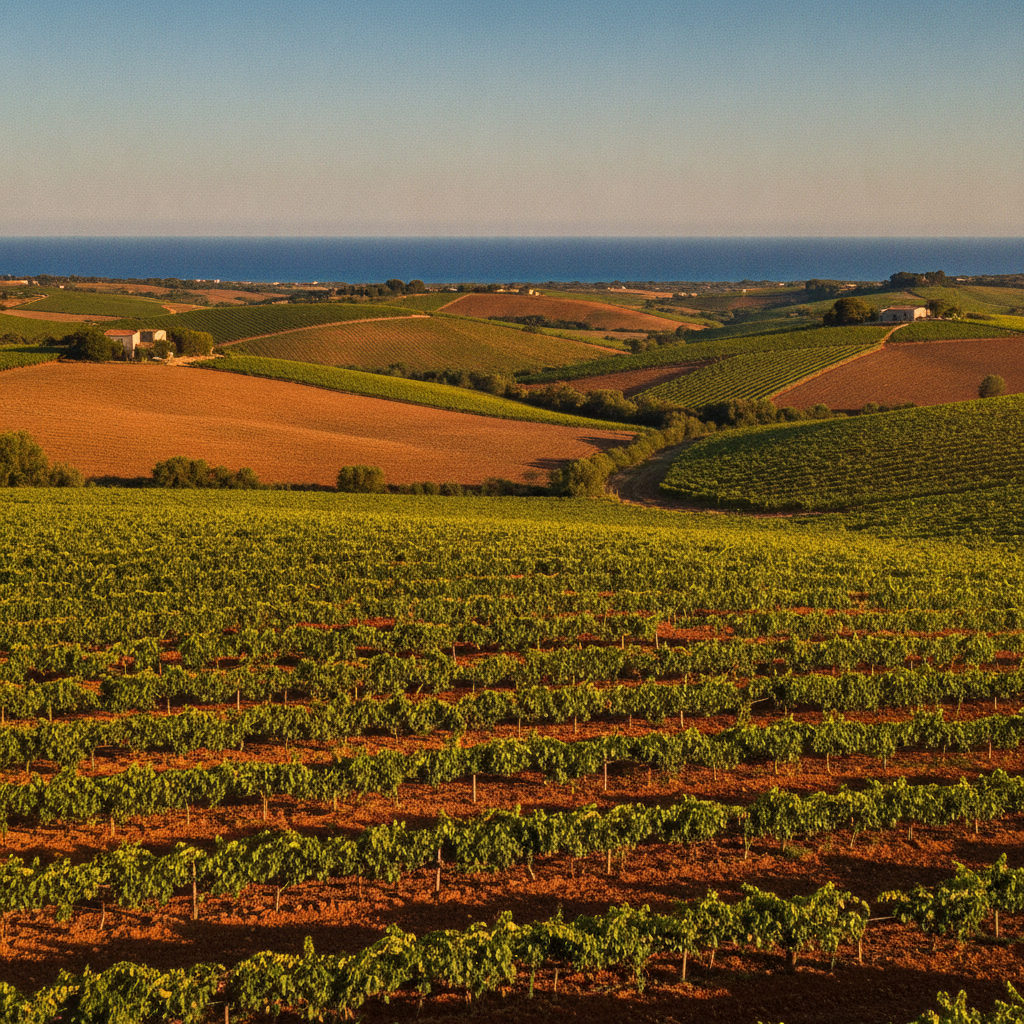
The roots of Salice Salentino are deeply embedded in a terroir of rare beauty and vocation. The "red soils sweetened by two seas," the Adriatic and the Ionian, create an ideal microclimate for viticulture. The remarkable complexity of the soils, characterized by a sandy texture of marine origin and flat or gently sloping terrain, imparts a distinctive sapidity to the wines.
The equidistant proximity to the two seas, coupled with a climate featuring torrid summers and mild winters, fosters significant diurnal temperature variations and constant ventilation. These environmental factors contribute to creating wines rich in extract, with intense aromas and remarkable aging potential, gracefully defying time with strength and structure. The vines, many of which are over forty years old, are often cultivated with the traditional Salentine "alberello" (bush vine) method.
What Are the Main Grapes of Salice Salentino?
Negroamaro, whose name derives from the Latin "niger" (black) and the Greek "mavros" (bitter), is an ancient varietal, possibly introduced to Salento as early as the 7th century BC. It is a late-ripening grape known for its generous yield. The resulting wine is distinguished by a beautiful purplish ruby red color, high acidity, and a rich presence of tannins, characteristics that make it particularly suitable for long aging periods. Its robust structure and decisive character form the backbone of Salice Salentino's red wines.
Malvasia Nera, traditionally paired with Negroamaro in almost all Salento red and rosé wine designations, including Salice Salentino, contributes a valuable element to the blend. It adds color, increases the alcohol content, and imparts a note of soft, fruity pulpiness that softens the vigorous tannins and austere character of Negroamaro. The union of these two grapes not only improves the wine's balance, especially in youth, but creates a captivating fusion of flavors and aromas that delights the palate.
In addition to these iconic grapes, Salice Salentino DOP also includes other noteworthy wine expressions:
- Salice Salentino Rosso: Characterized by a minimum of 75% Negroamaro, it represents the essence of the designation.
- Salice Salentino Rosso Riserva: A more structured and complex version, benefiting from extended aging.
- Salice Salentino Rosato: Produced primarily from Negroamaro and Malvasia Nera, it offers a vibrant expression of freshness and sapidity. A Negroamaro Rosato is also possible if this grape constitutes at least 90% of the blend.
- Salice Salentino Aleatico: A sweet wine of ancient tradition, demonstrating the designation's versatility.
Why is Salice Salentino a Wine with Export Potential?
The Salice Salentino designation has evolved, combining its profound tradition with a modern approach that has captivated an international audience. Wines from this DOP are appreciated for their elegance, complexity, full structure, and longevity. No longer just ideal companions to typical Apulian cuisine, they have proven capable of successfully pairing with the finest cuisines worldwide, including exotic and spicy ones.
This international success is the result of a relentless commitment to quality. Salice Salentino wineries have invested in advanced production technologies, ensuring a product of the highest craftsmanship. The investment in quality, combined with the valorization of indigenous grapes and the unique terroir, has allowed these wines to establish themselves in foreign markets.
Wineries operating under the Salice Salentino designation are demonstrating a remarkable ability to adapt to the demands of the global market. Their offering, ranging from intense and long-lived reds to fresh and savory rosés, appeals to importers seeking authentic, high-quality wines with a story to tell. The ability of these wines to evolve positively with aging makes them particularly interesting for markets that appreciate collectible wines and are willing to invest in products with long-term growth potential.
How Do Wineries Promote Salice Salentino Abroad?
One cited example is the magnificent Salice Salentino Rosso Selvarossa Riserva ’19, which has received significant accolades, testifying to the high quality achieved by some producers. This individual success reflects the general trend of an entire territory focusing on quality to distinguish itself on the world wine stage.
The Consorzio di Tutela Vini D.O.P. Salice Salentino plays a crucial role in promoting the designation in international markets. Through events and seminars dedicated to industry professionals, such as the one held in Rome, the Consortium aims to unveil the multifaceted nature of the DOP, exciting professionals and enthusiasts alike. The ability of these wines to surprise, with unexpected notes and nuances depending on the vintage and serving temperature, makes them ideal protagonists in export-focused tastings.
Wineries that invest in building a solid relationship with a reliable local importer can benefit from a market with higher growth margins compared to more mature, historical markets. Salice Salentino, with its millennia-old history and its present success, represents a concrete opportunity for foreign operators looking to enrich their portfolios with Italian wines of authentic value.
Frequently Asked Questions
What are the main characteristics of Salice Salentino Rosso wine?
Salice Salentino Rosso is characterized by a minimum of 75% Negroamaro grapes. It is distinguished by a beautiful purplish ruby red color, high acidity, and a rich presence of tannins, making it suitable for long aging periods.
How does Malvasia Nera contribute to the Salice Salentino profile?
Malvasia Nera adds color, increases alcohol content, and imparts a note of soft, fruity pulpiness. This softens the vigorous tannins of Negroamaro, improving the wine's balance, especially in youth.
Is Salice Salentino a wine suitable for aging?
Yes, Salice Salentino wines possess remarkable aging potential. Their robust structure, rich tannins, and complexity, imparted by the terroir and indigenous grapes, allow them to evolve positively over time.
What are the market prospects for Salice Salentino?
Salice Salentino has growing export potential. It is appreciated for its elegance, complexity, and longevity, conquering international palates and successfully pairing with various global cuisines. Wineries are investing in quality and valorizing indigenous grapes, attracting importers seeking authentic wines with a story to tell.