Finding Wine Importers in Ecuador: Strategies for Italian Wineries
Wines Export Editorial · Last updated:
Ecuador is a growing market for Italian wine, characterized by a distribution structure based on private importers and evolving demand. For Italian wineries aiming to expand their presence, understanding local dynamics, access channels, and buyer expectations is crucial. This article provides a detailed guide to identifying and approaching wine importers in Ecuador, analyzing key distribution channels and the most effective operational strategies for successful export. In-depth look: ICE Agency — Wines and Alcoholic Beverages.
How Does Wine Distribution Work in Ecuador?
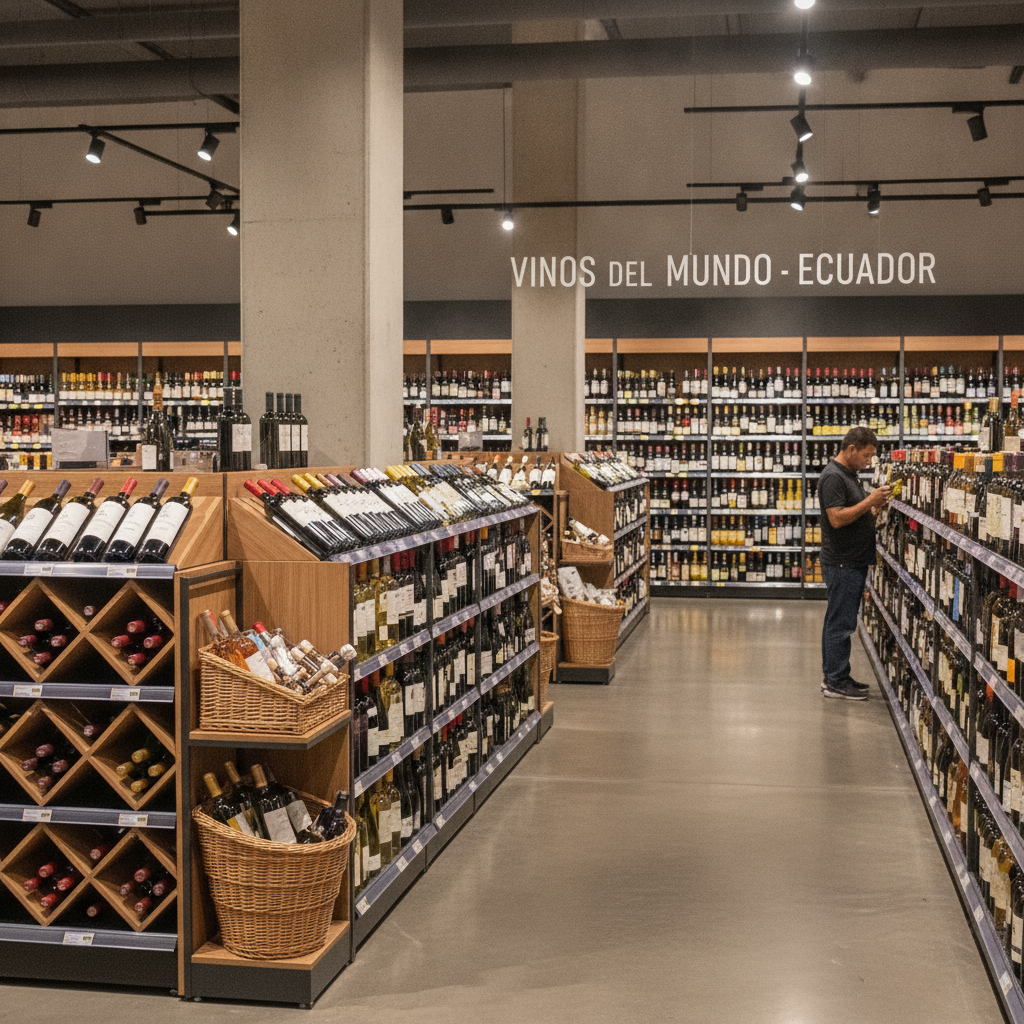
The Ecuadorian market relies on a system of private importers who supply various sales channels. Distribution primarily encompasses the Large-Scale Organized Distribution (GDO) sector, specialized stores/wine shops, and the HORECA (Hotel, Restaurants, Catering) channel. Historically, domestic consumption ("off premise") has been more significant than out-of-home consumption ("on premise").
Who are the main players in Large-Scale Organized Distribution (GDO)?
The GDO has been a crucial channel for wine sales. Groups like Corporación Favorita (Supermaxi, Megamaxi) and Corporación El Rosado (Mi Comisariato) dominated distribution. Recent data indicates that supermarkets have begun importing directly, increasing competition with chains of mayoristas (wholesalers) and licorerías (liquor stores). Access for Italian wineries typically occurs through accredited local importers.
How can I reach specialized stores and the digital channel in Ecuador?
There are specialized importer-distributors, some focusing on Italian products. Companies like Italcom (Quito) have a consolidated presence in the GDO, restaurants, and hotels. Veneto Wines Ecuador imports Prosecco DOCG and directly serves retail, restaurants, and bars. The growth of e-commerce has further expanded wine sales through online platforms, indicating a solid demand for Italian wine.
Who serves the HORECA channel, and how can I identify them?
The HORECA sector is served by specialized beverage distributors. Andina Licores (Colemun S.A.) is an example of a distributor with an extensive catalog and an online B2B platform. Industry directories like hosteleriaecuador.com list wine suppliers for hotels and restaurants, useful for mapping active distributors.
What are the operational strategies for entering the Ecuadorian market?
Entering the Ecuadorian market requires a strategic approach, with an emphasis on building solid partnerships and trust.
What are the key steps to identify and approach importers?
It is advisable to identify 2-3 importer-distributors with a consolidated presence in the GDO and HORECA. Verify that their portfolio is complementary and not excessively saturated with Italian wines. Evaluate their digital presence and operational responsiveness, such as B2B platforms and WhatsApp order management. Building a reputation for reliability is essential for negotiating favorable terms.
What are the most effective first-contact channels in Ecuador?
WhatsApp Business is widely used for direct commercial communications, complemented by email. LinkedIn is useful for initial prospecting. Trade fairs, such as Vinitaly, are the most effective channels for qualified meetings with Ecuadorian buyers, given the absence of a consolidated local wine fair. Trade missions organized by promotional agencies and local HORECA events are equally beneficial.
What documents and fiscal aspects must I consider for export to Ecuador?
In addition to standard documents (invoice, packing list, certificate of origin), Ecuador requires procedures through Ecuapass for customs declaration. Fiscal labeling (etiquetas fiscales) is crucial. Thanks to the EU-Ecuador Trade Agreement, EU wines are exempt from customs duties. The main tax is ICE (Impuesto a los Consumos Especiales), with rates updated annually by the SRI. It is essential to present the EUR.1 preferential certificate of origin or the invoice declaration.
What do wine importers in Ecuador look for?
Ecuadorian importers seek reliable partners who offer quality products with good value for money.
What characteristics of Italian wine are most appreciated by Ecuadorian importers?
Ecuadorian buyers appreciate the authenticity and history of Italian wines. Recognized denominations and indigenous grape varieties represent added value. It is useful to understand the positioning of Italian wines already present in the market to define your pricing and marketing strategy.
What kind of support do importers expect from foreign producers?
A producer's ability to offer flexibility in commercial terms, marketing support, and adequate informational material can make a difference in choosing a partner.
Wines Export has a pool of several active buyers in Ecuador, a consolidated network covering the main distribution channels: GDO, specialized stores, HORECA, and e-commerce. Our direct knowledge of these operators facilitates targeted meetings and provides strategic support for entering or expanding in the Ecuadorian market.

Conclusion
Exporting Italian wine to Ecuador offers significant opportunities but requires a deep understanding of the local market, its players, and distribution dynamics. Identifying the right importers, building trusting relationships, and adapting the offering to the needs of Ecuadorian buyers are fundamental steps. Leveraging effective contact channels such as international trade fairs and trade missions, and understanding customs and fiscal regulations, will complement the strategy for Italian wineries aiming to conquer this promising market.
To further explore export opportunities in Ecuador and connect with qualified importers, request a personalized demo:
Frequently Asked Questions
Question 1
What are the main wine distribution channels in Ecuador, and how do they differ between domestic and out-of-home consumption? Wine distribution in Ecuador is primarily structured through Large-Scale Organized Distribution (GDO), specialized stores/wine shops, and the HORECA (Hotel, Restaurants, Catering) channel. Historically, domestic consumption ("off premise") has been more significant than out-of-home consumption ("on premise").
Question 2
How can Italian wineries effectively approach specialized importer-distributors in Ecuador, considering their presence across various sales channels? It is advisable to identify 2-3 importer-distributors with a consolidated presence in the GDO and HORECA, verifying that their portfolio is complementary and not excessively saturated with Italian wines. Evaluating their digital presence, operational responsiveness (such as B2B platforms and WhatsApp order management), and building a reputation for reliability are key steps to negotiating favorable terms.
Question 3
What are the crucial documentary and fiscal aspects to consider for exporting wine from the EU to Ecuador, particularly regarding duties and special taxes? In addition to standard documents like invoices, packing lists, and certificates of origin, Ecuador requires procedures through Ecuapass for customs declaration and fiscal labeling. Thanks to the EU-Ecuador Trade Agreement, EU wines are exempt from customs duties, but it is essential to consider the ICE (Impuesto a los Consumos Especiales), with rates updated annually by the SRI, and to present the EUR.1 preferential certificate of origin or the invoice declaration.
- Exporting Wine to Finland: Buyer's Guide
- Brazilian Wine Importers: Finding Them and What They Seek
- Ireland Wine Importers: Finding Them and What They Seek
- Australian Wine Importers: Finding and Understanding Them
- Norway Wine Importers: Find Them and What They Look For
- Wine Hungary: Trends and Opportunities for Italian Wineries