Finding the Best Wine Distributors in New Zealand for Your Winery
Wines Export Editorial · Last updated:
The New Zealand wine market, though modest in size, offers tangible opportunities for Italian wineries aiming for international expansion. Navigating this market requires a deep understanding of its distribution channels and a targeted strategy to identify the ideal partner. This article explores the dynamics of the New Zealand market, the various players involved, and provides practical guidance for Italian companies looking to export their products, focusing on how to select the most effective distributor for success. In-depth: ICE Agency – Wines and Alcoholic Beverages.
How Does Wine Distribution Work in New Zealand?
The wine distribution system in New Zealand is entirely privatized but heavily concentrated within major grocery retailers (GDO - Grande Distribuzione Organizzata). Supermarkets account for approximately 60% of total wine sales. The two main players in the general grocery retail market are Foodstuffs (with banners like New World, Pak'nSave, Four Square) and Woolworths NZ (formerly Countdown).
Their market share is so dominant that direct entry for an Italian winery into New Zealand's GDO is almost unfeasible without a local importer or distributor. The bargaining power of these chains is immense, and crucial aspects such as "listing fees," promotional activities, and shelf visibility are negotiated directly by the local distributor.
Who Are Independent Importer-Distributors and What Role Do They Play?
For foreign wines that do not yet have a strong market presence, the prevailing model is that of the independent importer-distributor. These companies purchase wine for their own account, manage customs logistics and health controls (MPI - Ministry for Primary Industries), and then resell the product to both the GDO and the HORECA (Hotel, Restaurant, Catering) channel, as well as specialized retailers.
Considering a population of around 5.2 million inhabitants, most foreign brands find a single national distributor. It is common for these distributors to manage a multi-brand portfolio, representing various wineries or brands. It's important to note that "parallel importing" is legal in New Zealand, which can create potential friction if the same brand is imported by multiple entities without a clearly defined exclusive agreement.
What is the Importance of the HORECA Channel and Specialized Retailers?
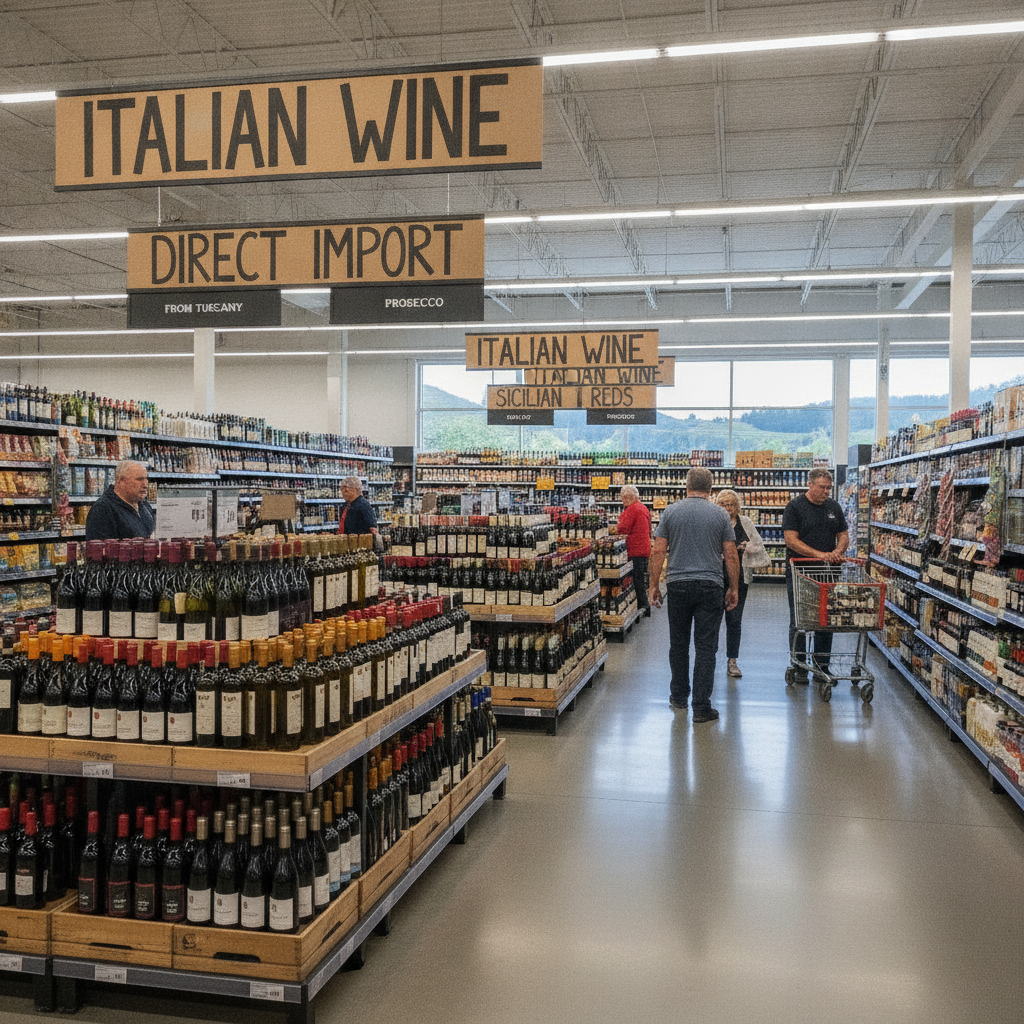
The HORECA channel remains fundamental for building brand awareness, especially for mid-to-high-end wines that may not be immediately recognized by the New Zealand consumer. Specialized wine shops, particularly those growing in cities like Auckland, Wellington, and Christchurch, offer higher profit margins and greater freedom in product storytelling compared to the limited and competitive space on supermarket shelves.
These specialized retailers, often referred to as "Fachhandel" (specialty retailers), can also act as wholesalers for the HORECA channel and, in some cases, as regional importers for specific foreign suppliers. For an Italian winery, a single Fachhandel contact can therefore open up niche sales channels and access to the hospitality sector in a given geographical area simultaneously.
What Are the Key Criteria for Selecting a Distributor in New Zealand?
The selection of a distributor in New Zealand should not be based solely on geographical coverage but on a series of strategic criteria that ensure a profitable and sustainable partnership. The crucial first step is to clearly define which distribution channel you intend to prioritize: GDO (discount and supermarkets) or the specialized channel (Fachhandel and HORECA). This choice will directly influence negotiations on pricing, minimum volume requirements, and packaging type.
It is essential to verify whether the target partner operates exclusively as a local distributor or also possesses importer/wholesaler capabilities for overseas markets. In New Zealand, these roles can often overlap, and a partner with a broader vision can offer greater opportunities. Many medium-sized New Zealand importer-distributors utilize in-house category managers or dedicated sales agents for relations with the purchasing departments of major supermarket chains. Before finalizing an agreement, it is advisable to request references on other foreign brands the distributor has successfully brought into the GDO.
How to Manage Relationships with the GDO and Brokers?
For smaller distributors or those without dedicated internal resources, the use of external brokers or category agents is common practice. These professionals can facilitate access to major chains, but it is essential to understand their compensation structure and their actual negotiation power. As mentioned, parallel importing is legal. To avoid potential conflicts and ensure brand protection, it is imperative to negotiate clear contracts that define the terms of territorial and/or channel exclusivity. A distributor managing multiple similar brands should be able to demonstrate an effective differentiation strategy for each.
How Does Seasonal Demand Affect Planning?
Wine demand in New Zealand exhibits strong seasonality, concentrating in the Christmas period, which in the Southern Hemisphere coincides with summer (November-January). This factor is crucial for several aspects. Italian wineries must plan production and shipments well in advance to ensure products arrive in the market in time for the peak season. Negotiations for seasonal promotional activities with the distributor must commence months ahead, as shelf space and listing opportunities for the Christmas season are typically finalized well in advance.
What is an Example of Success in Exporting Italian Wines to New Zealand?
A concrete example of success in the New Zealand market is represented by Sapori d'Italia Import Ltd, founded by Marco Nordio. Nordio, who moved to New Zealand in 2004, established his company in 2013 with the goal of building a solid distribution network for Italian wines. His most significant initiative was organizing the "Vino Italiano" tasting event in Auckland in 2019, an event that brought together 150 Italian labels and 400 guests, becoming the largest Italian wine tasting ever held in the country. This case demonstrates how a proactive and aggregated approach can be extremely effective for Italian wineries.
What to Consider Before Negotiating with a New Zealand Distributor?
Before finalizing an agreement, it is advisable to request references on other foreign brands the distributor has successfully brought into the GDO. This will help assess their actual negotiation capability with purchasing departments. It is essential to understand their compensation structure and their real negotiation power. To avoid potential conflicts and ensure brand protection, it is imperative to negotiate clear contracts that define the terms of territorial and/or channel exclusivity. A distributor managing multiple similar brands should be able to demonstrate an effective differentiation strategy for each.
Who Are the Qualified Buyers in New Zealand That Wines Export Collaborates With?
Wines Export has built a solid network of contacts in the New Zealand market over time. Currently, our pool includes a consolidated group of qualified buyers in New Zealand, ranging from independent importers to GDO representatives and HORECA sector operators. These contacts have been selected for their proven experience and interest in quality wines. Our knowledge of the local market allows us to facilitate targeted meetings between Italian wineries and potential New Zealand partners, optimizing the search and selection process.
Frequently Asked Questions
What is the market share of the GDO in the wine sector in New Zealand?
The large grocery retail sector (GDO) accounts for approximately 60% of total wine sales in the country.
Is parallel importing of wine legal in New Zealand?
Yes, "parallel importing" is legal in New Zealand.
Who are the main players in New Zealand's GDO?
The two main players in the general grocery retail market are Foodstuffs (with banners like New World, Pak'nSave, Four Square) and Woolworths NZ (formerly Countdown).
When does wine demand concentrate in New Zealand?
Wine demand in New Zealand exhibits strong seasonality, concentrating in the Christmas period, which coincides with summer (November-January).
Selecting the right distributor in New Zealand is a fundamental step for the success of an Italian winery. Understanding the market structure, the roles of the various players, and defining a clear strategy are essential elements. Collaboration with experienced local partners, capable of navigating the complexities of the GDO and valorizing the product in the HORECA and specialized channels, is key to building a lasting and profitable presence in this strategic market.