Exporting Natural Italian Wines and Cured Meats: B2B Market Opportunities for Wineries
Wines Export Editorial · Last updated:
Italian wine exports are enriched by new opportunities as emerging market niches and sectoral synergies are explored. The growing interest in pairing wines with natural food products opens prospects for wineries aiming to expand their international presence. This article analyzes the key elements for approaching exports in this specific B2B segment, focusing on market dynamics and strategies for winemaking companies, with particular emphasis on pairing with natural cured meats. In-depth look at: OIV — International Organisation of Vine and Wine.
How to Organize Production to Ensure Quality and Stability for Export?
To compete in foreign markets, product quality and stability are fundamental. Historical studies on wine exports highlight the crucial role of producer consortia and associations in selecting grape varieties, standardizing grape and wine types, and defining the characteristics of "benchmark" wines destined for export, ensuring qualitative consistency for the foreign consumer.
This organization is essential for exporting vineyards. Export control is often managed by professional groupings, wine trade federations, exporter associations, and national export-focused institutes. In some cases, like in Chile, export cooperatives refine the standardization of wine types, while national brands further guarantee quality, encouraging consumer countries to crack down on fraud and protect designations of origin.
What are the Synergies Between Natural Wines and Natural Cured Meats for the B2B Market?
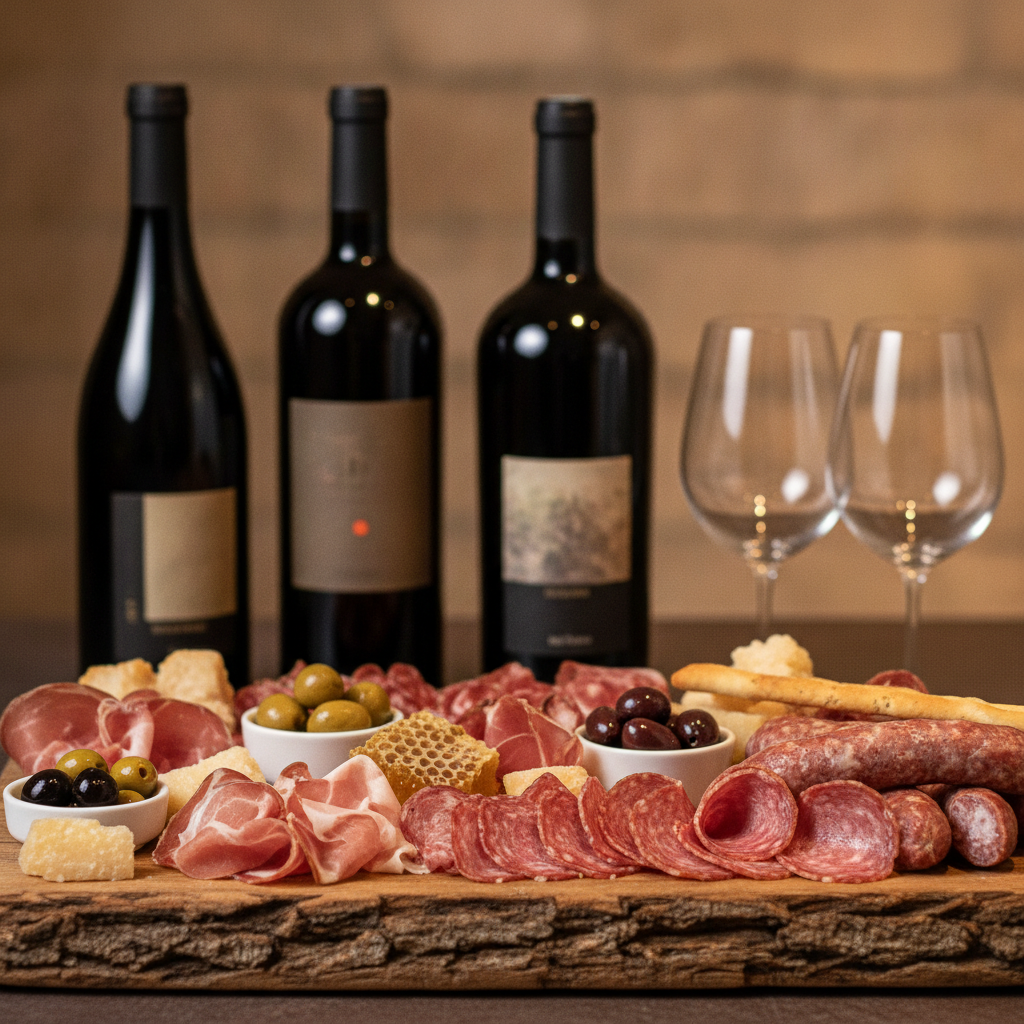
The concept of "natural" in food products is growing globally, also influencing wine. The pairing of natural wines and natural cured meats represents a B2B niche with potential. International buyers oriented towards artisanal, organic, and low-environmental-impact products seek pairings that enhance naturalness and authenticity.
For Italian wineries, this implies understanding the expectations of this segment. Producers of natural cured meats and natural wine often share similar production philosophies: attention to raw materials, minimally invasive processes, and a connection to the territory. Exporting wines in association with natural cured meats requires an approach that highlights these shared values.
How to Promote the Export of Natural Wines Paired with Cured Meats?
Promotion and trade exchange strategies are fundamental. As suggested for the Chinese market, organizing trade fairs and B2B meetings is essential to allow potential partners to understand each other's needs and competitive advantages. This also applies to natural products, where transparent communication about the production philosophy and ingredient quality is crucial.
What are the Export Strategies for Italian Wineries in the Natural Segment?
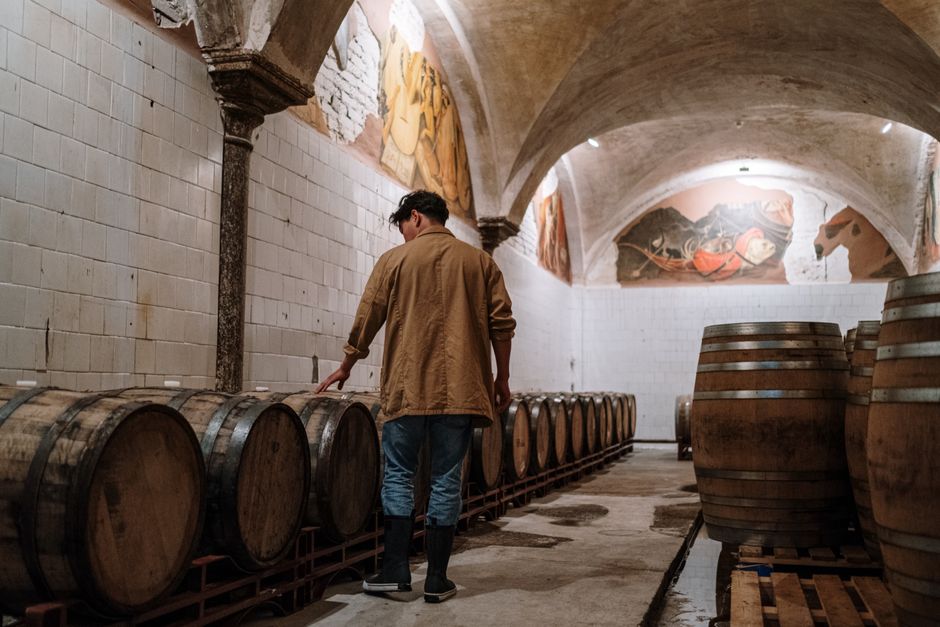
The export of Italian wines, even when paired with products like natural cured meats, requires strategic planning that covers operational and marketing aspects.
1. How to Ensure Quality and Standardization for Natural Wines Destined for Export?
Quality is the cornerstone of exports. For natural wines, this means adhering to production regulations (where they exist) and ensuring consistency in organoleptic characteristics, even without invasive enological interventions. The selection of grape varieties and meticulous attention to the winemaking process are decisive for success.
2. What Innovative Sales and Promotion Channels Should Be Adopted for Export?
Adopting innovative sales channels is crucial, especially in markets with limited physical interactions. Increased online sales, supported by efficient logistics, can compensate for offline difficulties. Simultaneously, it is essential to strengthen promotional and communication activities, including industry trade shows dedicated to organic or natural products, wine ambassadors, promotional points in key markets, and a focus on food-wine pairing.
3. What Documents and Regulatory Compliance Are Necessary for Export?
Export requires rigorous documentary preparation. Commercial invoices, proforma invoices, and packing lists must be drafted with precision to avoid customs delays. It is necessary to verify the specific regulations of the destination country concerning labeling, health requirements, and customs duties. Collaboration with local importers or competent ICE offices is fundamental.
4. How to Position Italian Wines in the B2B Market for Natural Products?
Market positioning is a competitive advantage. In the sparkling wine segment, Italy holds historical leadership. For natural wines, a medium-to-high-end positioning, where demand is structurally growing, can be a winning strategy. Selecting qualified distributors with a presence in the Horeca or retail channel is a critical step.
Conclusion
The association between natural wines and cured meats represents an interesting frontier for Italian wine exports. To succeed, wineries must focus on the intrinsic quality of their products, standardization where necessary, and marketing and communication strategies that enhance naturalness and authenticity. Understanding B2B dynamics, innovation in sales channels, solid documentary preparation, and careful market positioning are key elements to seize the opportunities offered by this growing segment. Exporting in this domain requires a holistic approach, considering the cultural and gastronomic context to create synergies with other excellent natural products.
Frequently Asked Questions
What are the quality requirements for exporting natural wines?
For export, the quality of natural wines is based on adherence to production regulations (where they exist) and consistency in organoleptic characteristics, even in the absence of invasive enological interventions. The selection of grape varieties and the care of the winemaking process are decisive.
How is the pairing of natural wines and natural cured meats promoted abroad?
Promotion is based on enhancing naturalness and authenticity, communicating transparency about the production philosophy and the quality of ingredients. Organizing trade fairs, B2B meetings, and a focus on food-wine pairing are effective strategies.
What documents are essential for exporting Italian wines?
Essential documents include the commercial invoice, proforma invoice, and packing list, which must be drafted with precision to avoid customs delays. It is also necessary to verify the specific regulations of the destination country.