DOCG Wines Abroad: Opportunities and Requirements for Italian Wineries
Wines Export Editorial · Last updated:
The DOCG designation represents the highest quality tier for Italian wines, a seal of excellence that captures the attention of global importers and buyers. Understanding what DOCG entails in the B2B context of exports, the requirements that define it, and the opportunities it offers Italian wineries is fundamental for successfully navigating international markets. This article clarifies these aspects to facilitate your export strategy. Learn more: OIV — International Organisation of Vine and Wine.
What is the Denominazione di Origine Controllata e Garantita (DOCG)?
DOCG is the highest qualification for Italian wines, attesting to geographical origin, high quality standards, and a rigorously controlled production method. The term "origin" refers to a specific geographical name of an Italian wine region, linked to a territory with unique environmental and human characteristics that impart distinctive qualities to the wine.
This designation is reserved for wines that have already achieved DOC recognition for at least ten years and demonstrate superior intrinsic qualities stemming from traditional, natural, human, and historical factors. DOCGs are therefore wines of particular prestige, with a name and commercial value recognized both nationally and internationally.
The Hierarchy of Italian Wines
To fully appreciate the value of DOCG, it's helpful to place it within the hierarchy of Italian wines:
- Vino da Tavola (VDT): The most basic category, today simply "Vino" (Wine).
- Indicazione Geografica Tipica (IGT): Equivalent to French Vin de Pays, indicating a broader regional origin.
- Denominazione di Origine Controllata (DOC): A higher level that imposes stricter rules on production zones, grape varietals, and minimum alcohol content.
- Denominazione di Origine Controllata e Garantita (DOCG): The pinnacle of the pyramid, with even more stringent regulations than DOC.
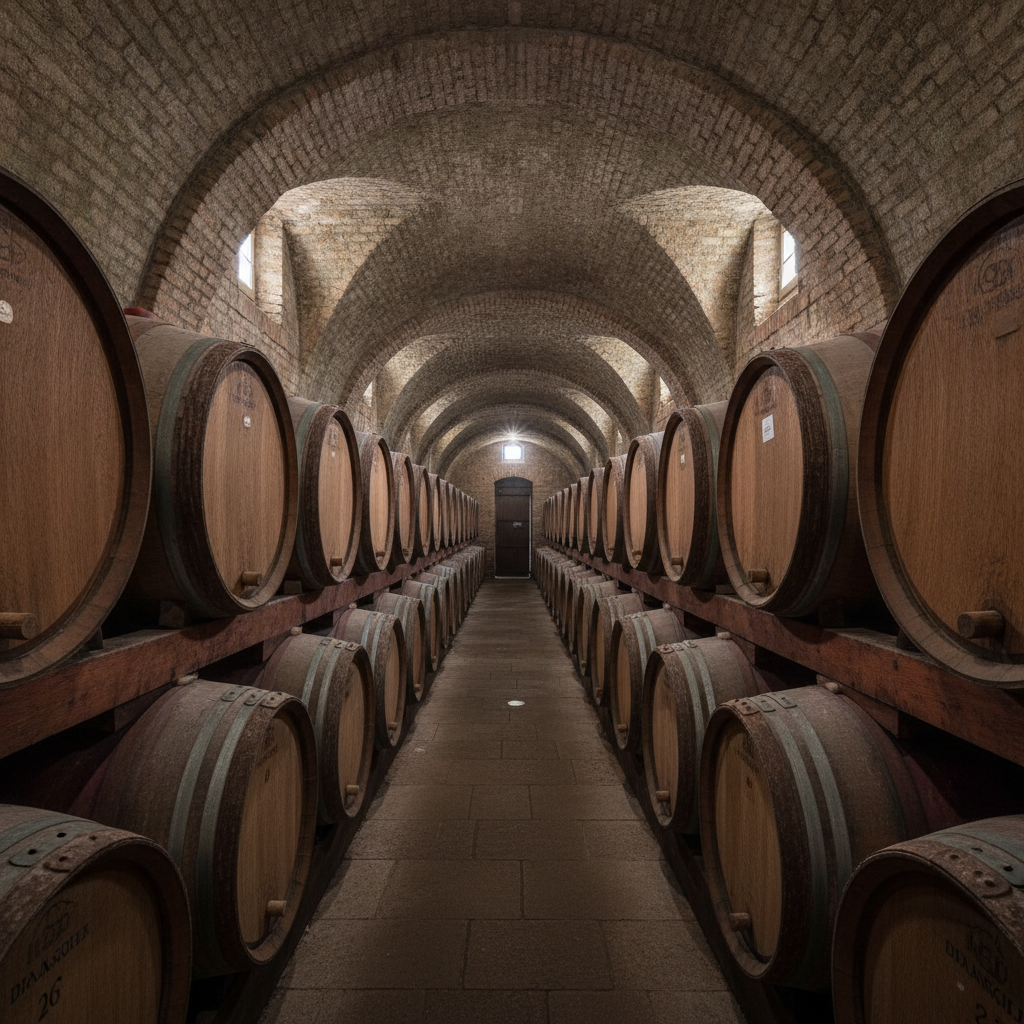
The regulations for DOCG wines are significantly more rigorous than for DOC, particularly regarding permitted grape varietals, yield limits per hectare (often lower), grape maturity levels, vinification processes, and aging periods (e.g., longer times in barrels). Each DOCG wine must pass an official chemical-physical analysis and an organoleptic tasting to ensure conformity with production specifications and intrinsic quality before it can be bottled and marketed. To further guarantee traceability and quality, DOCG wine bottles often feature an official seal on the neck of the bottle.
What are the Requirements for a DOCG Wine?
Obtaining and maintaining DOCG classification involves adhering to high and consistent standards. The characteristics that distinguish a DOCG wine include the use of specific grape varietals, controlled production methods, superior quality and distinctive characteristics, national and international recognition, and official control.
Regulations may include limits on yield per hectare, minimum grape ripeness requirements, and specific aging periods. DOCG wines must clearly differentiate themselves from other similar wines through their unique characteristics, the result of a blend of natural, human, and historical factors. Each DOCG wine undergoes rigorous controls, including chemical-physical examinations and organoleptic tastings.
How Has the DOCG Classification Evolved?
Historically, the introduction of the DOCG category in 1980 aimed to further elevate quality and distinguish top-tier wines. Initially, only four prestigious wines, such as Brunello di Montalcino, Vino Nobile di Montepulciano, Barolo, and Barbaresco, were classified as DOCG. Today, the number of wines holding this designation is approaching 80, testifying to a growing commitment to qualitative excellence.
Why is DOCG an Advantage for B2B Exports?
The DOCG designation is a powerful marketing tool and a crucial differentiating factor for Italian wine exports in the B2B market, offering a guarantee of quality, authenticity, and uniqueness.
How Does DOCG Attract Importers and Buyers?
International importers and buyers seek products that offer a guarantee of quality, authenticity, and uniqueness. DOCG wines fully meet these expectations, reducing the perceived risk when purchasing a wine with which they have no direct experience. The strong connection to the area of origin provides a compelling narrative that highlights the product's uniqueness.
DOCG wines, thanks to their reputation and intrinsic quality, can command higher prices in the market, allowing for more attractive profit margins for importers and distributors. DOCG enables the positioning of Italian wine in the mid-to-high or premium segment of the market, a structurally growing sector in many countries.
What are the Competitive Advantages for Wineries?
For Italian wineries, focusing on the production and export of DOCG wines means market differentiation, access to select markets, and building a strong brand. DOCG offers a clear element of differentiation compared to wines of lower quality or less defined origin.
Many foreign markets, especially more mature ones or those with discerning consumers, actively recognize and seek out Italian DOCG wines. The excellence associated with DOCG helps build a solid and prestigious brand image for the winery, facilitating entry and customer loyalty in complex markets. The promotion of Italian denominations, including DOCG, is often supported by entities such as ICE Agency and Italian-Foreign Chambers of Commerce.
What are the Key Considerations for Exporting DOCG Wines?
While DOCG is an undeniable strength, exporting requires a strategic approach. It is crucial to understand the specific import regulations, consumer preferences, and competitive landscape of each country. For example, while Italian wine enjoys historical leadership in the sparkling wine segment, the penetration of other DOCG categories may vary.
Ensuring all shipping documentation is correct and complete is essential to avoid customs delays. The commercial invoice, for instance, must include a detailed product description, including its DOCG denomination, and the correct HS code. Identifying importers with active licenses and proven experience in the Horeca channel or in the distribution of high-end wines is fundamental. The presence of specialized operators in the target market, specifically focused on Italian products, is an indicator of established demand.
Frequently Asked Questions
What are the main differences between DOC and DOCG?
DOCG is the highest qualification for Italian wines, reserved for wines that have already achieved DOC recognition for at least ten years and demonstrate superior intrinsic qualities and even more rigorous regulations than DOC.
Does DOCG guarantee a wine's success abroad?
DOCG is a powerful marketing tool and a crucial differentiating factor that attracts international importers and buyers due to the guarantee of quality and authenticity. However, success abroad also depends on a targeted export strategy and an understanding of the destination market.
Which markets are most receptive to Italian DOCG wines?
Many foreign markets, especially more mature ones or those with discerning consumers, actively recognize and seek out Italian DOCG wines. The historical leadership of Italian wine in the sparkling segment is an example of strong penetration.
DOCG is not just a quality certification, but a true passport to excellence in the global wine market. For Italian wineries, it represents a strategic opportunity to strengthen their competitive position and conquer new markets, offering international importers the assurance of authentic, high-quality products intrinsically linked to Italy's rich enogastronomic heritage.