Regenerative viticulture: eight buyers form a group to shape demand
Eight distributors, retailers and restaurant operators have formed the Regenerative Accelerator Group, backed by the Regenerative Viticulture Foundation. The goal is for 10% of the world's vineyard area to be managed with regenerative practices by 2035.
What this means for importers
For importers, the group signals that sustainability data may increasingly feature in sourcing talks, although no share of purchases is reserved for these wines yet. Each member keeps full control over prices, suppliers and listings, and must report progress every year.
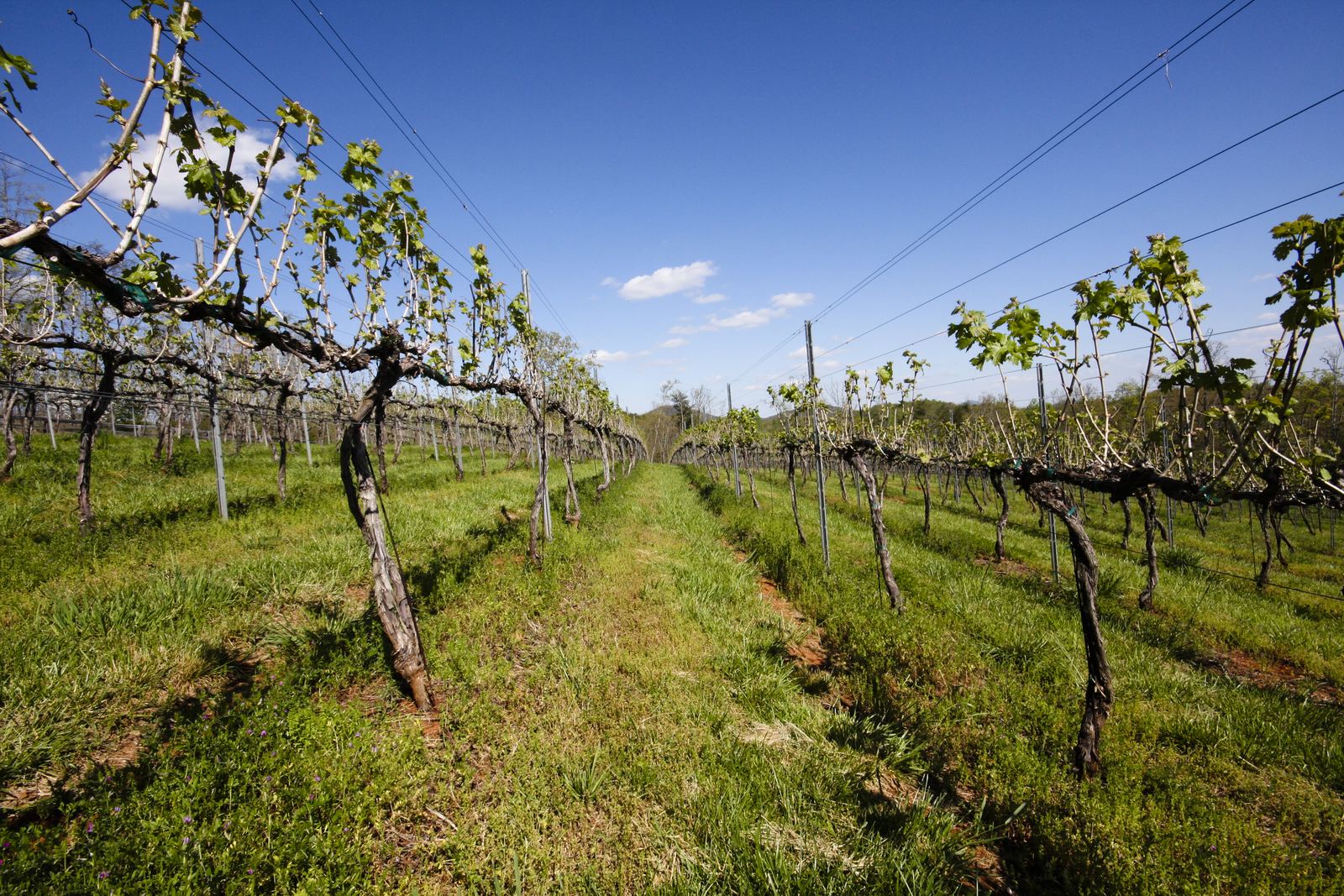
Eight international operators from distribution, retail and hospitality have launched the Regenerative Accelerator Group, promoted by the Regenerative Viticulture Foundation (RVF) and presented in London on 20 October at the Sustainability in Drinks conference. The founding signatories are Berry Bros. & Rudd, Erewhon, Haggen, Levy UK & Ireland, Systembolaget, The Wine Society, Total Wine & More and Waitrose. According to RVF development director Anne Jones, together they sell about 400 million bottles a year. The shared aim is to bring 10% of the world's vineyard area under regenerative practices by 2035. For now there is no commitment to direct a set share of purchases to these wines.
Each signatory must agree a target with the RVF that fits its business, share data and report progress annually. Erewhon has announced plans to reserve a percentage of its shelf space for wines from regenerative vineyards. No shared definition of regenerative viticulture exists: a 2025 opinion of the European Economic and Social Committee counted more than one hundred. The RVF is not creating a new label and intends to build on certifications and data already available.

From November the RVF will start talks with buyers, growers and experts on assessment criteria, and individual targets are due to enter implementation from 2027. Each operator stays independent on prices, suppliers and range, and no coordination of purchasing is planned. For Italian producers, the step from farming practice to commercial recognition often remains incomplete.
Source
Each item links to the dated original source: we summarise and analyse it; we do not republish other outlets’ articles.
Mentioned
Go deeper on Wines Export
Italian wine sourcing
Tell us which Italian wines you are looking for
Share your requirements to receive proposals from Italian producers.