Wine in Ecuador: Market Analysis and Advantages for Italian Wineries
Wines Export Editorial · Last updated:
Ecuador, although not one of the largest economies in Latin America, represents a market of growing interest for Italian wine exports. Consumption dynamics, market structure, and trade policies offer concrete opportunities for wineries wishing to expand their international presence. This article analyzes current trends, distribution channels, and the most effective strategies for approaching this emerging market, with a specific focus on the peculiar characteristics that make Ecuador an interesting case for "Made in Italy" wine. In-depth look: ICE Agency — Wines and Alcoholic Beverages.
Italian Wine in Ecuador: Positioning and Support
What is the position of Italian wine in the Ecuadorian market?
Ecuador ranks among the main non-EU destination markets for Italian wine exports, appearing in sector rankings alongside Turkey and Serbia. This structural presence suggests that the country deserves strategic attention and targeted investments from Italian wineries.
The presence of specialized importers-distributors of Italian products, such as Italcom Cia Ltda in Quito and Veneto Wines Ecuador (focused on importing Prosecco DOCG Sanfeletto), testifies to a consolidated demand for Italian wine. These operators represent a reliable indicator of market stability for Italian wines.
Are there support structures for Italian wineries in Ecuador?
Yes, there is the "Sportello Vino Italia" (ecuadoritalia.com), an initiative promoted by the Ecuador-Italy Chamber of Commerce (CBEI). This office publishes content dedicated to Italian wines present in the Ecuadorian market and support institutions, offering a valuable resource for navigating the competitive positioning of existing products and understanding local dynamics.
Market Structure and Wine Sales Channels in Ecuador
How is wine distribution organized in Ecuador?
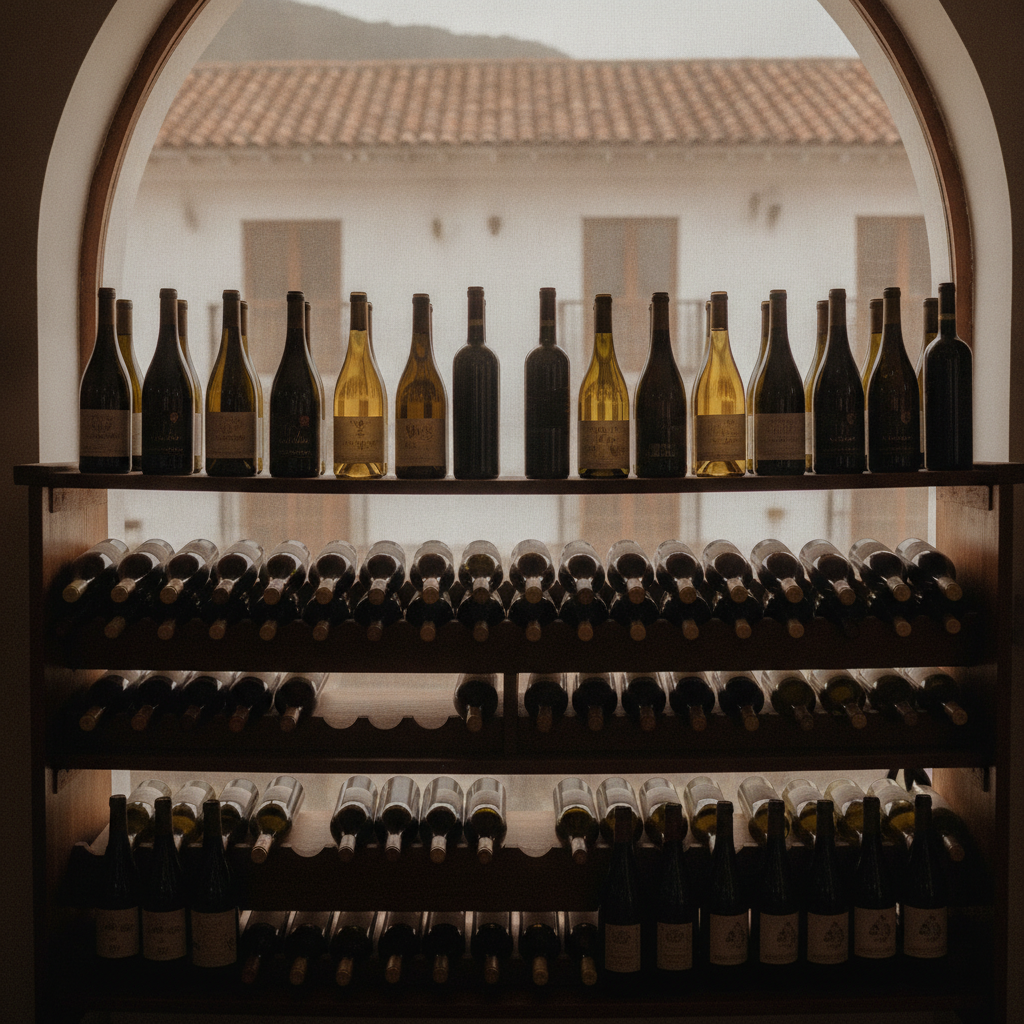
The Ecuadorian wine market is characterized by the absence of a state monopoly and the presence of private importers who supply various channels. The main ones include large-scale retail (GDO), specialized stores, the HORECA channel (Hotel, Restaurants, Bars), and the growing digital channel.
What are the main sales channels for wine in Ecuador?
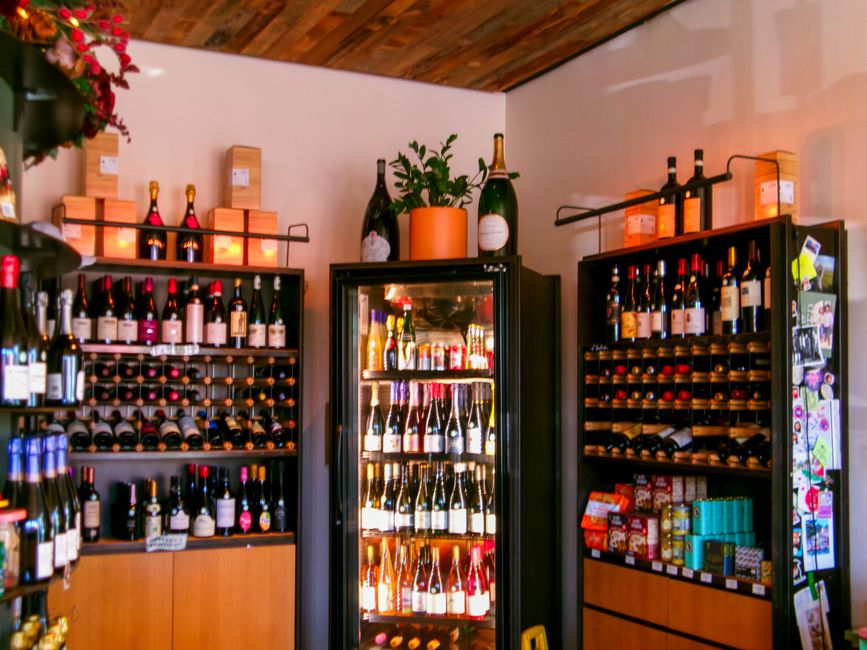
Large-scale retail, dominated by groups such as Corporación Favorita and Corporación El Rosado, has historically represented the most significant share of "off premise" sales. Specialized stores and wine shops offer a more curated selection, while the HORECA channel is crucial for brand promotion. E-commerce is expanding sales possibilities.
What are the competitive dynamics and preferences of Ecuadorian consumers?
Traditionally, Argentina and Chile have dominated the Ecuadorian wine market. However, the recent reduction in tariffs on European wines by the Ecuadorian government, under the Ecuador-Multi-Party Trade Agreement with the European Union, is opening new prospects for Italian wines.
Ecuadorian consumers show a strong interest in wine, with quality (42%) and origin (18%) as priority factors in their choice. There is also an interest in wine memberships or clubs.
Export Opportunities for Italian Wineries in Ecuador
What are the advantages for Italian wine exports to Ecuador?
A key element is the EU-Ecuador Multi-Party Trade Agreement, in force since January 2017. Thanks to this agreement, wines of EU origin, including Italy, are exempt from customs duties upon import into Ecuador, offering a significant competitive advantage.
How does taxation on imported wine work in Ecuador?
In addition to duties (currently 0% for EU wines), the taxation on imported wine includes ICE (Impuesto a los Consumos Especiales - Special Consumption Tax) and VAT. ICE is the most significant tax and is subject to annual review by the Servicio de Rentas Internas (SRI). It is essential to consult the most recent regulations published on the sri.gob.ec website.
What strategies can Italian wineries adopt to enter the Ecuadorian market?
Given the absence of a major international wine fair in Ecuador, Italian wineries can participate in fairs in Italy such as Vinitaly, which promotes internationalization paths towards non-EU markets. Other strategies include participating in ICE trade missions, monitoring HORECA events like Horeca Fest in Guayaquil, and collaborating with local specialized distributors.
Wines Export has several active buyers in the Ecuadorian market within its producer pool. This consolidated network offers Italian wineries privileged access to qualified operators interested in importing Italian wine, facilitating potential commercial partnerships.
Frequently Asked Questions About the Wine Market in Ecuador
What are the main wine exporting countries to Ecuador?
Traditionally, Argentina and Chile have dominated the Ecuadorian wine market, accounting for approximately 90% of sales.
Does the EU-Ecuador Trade Agreement offer specific advantages for Italian wine?
Yes, thanks to the agreement, wines of EU origin, including Italy, are exempt from customs duties upon import into Ecuador, representing a significant competitive advantage.
What factors influence the choice of wine by Ecuadorian consumers?
The priority factors in the choice of wine by Ecuadorian consumers are quality (42%) and origin (18%).
Ecuador represents a market with significant growth potential for Italian wine exports. The advantages derived from the EU-Ecuador trade agreement, the presence of specialized operators, and growing consumer interest create a favorable environment. Italian wineries that can navigate the complexity of distribution channels, understand competitive dynamics, and leverage existing support networks, such as those offered by Wines Export, will be able to seize the opportunities offered by this dynamic market. A strategic approach, combining participation in international fairs, the use of trade missions, and collaboration with local partners, will be the key to lasting success.
- Finnish Wine Market: Trends and Opportunities for Italian Wineries
- Wine Brazil: Trends and Export Opportunities
- Wine Ireland: Trends and Opportunities for Italian Wineries
- Wine: Trends, Data, and Export Opportunities
- Wine in Norway: Export Trends and Opportunities
- Italian Wine Prices in Hungary: Export Analysis