The Polish Wine Market: Opportunities for Italian Wineries
Wines Export Editorial · Last updated:
The Polish wine market offers significant growth opportunities for Italian wineries, thanks to an increasingly informed consumer base that values quality. Italy historically confirms its leadership in wine exports to this dynamic Eastern European market. Understanding consumption trends, buyer preferences, and the distribution structure is crucial for Italian companies aiming to expand their presence in Poland, leveraging the growing demand for quality wines and the prestige of "Made in Italy." Learn more: ICE Agency — Wines and Alcoholic Beverages.
Is Italy the leading wine supplier in Poland?
Yes, Italy holds a consolidated position of preeminence in wine exports to Poland, both in terms of volume and value. In the period of January-November 2025, Italian exports reached approximately 33 million liters, representing about 25% of Poland's total wine imports by volume, confirming a leadership that has persisted since 2011.
The growth in value exported by Italy to Poland has been particularly robust, registering a +33% over the last five years. This performance indicates a progressive shift towards medium-to-high price segments, fueled by a new generation of younger, informed urban Polish consumers who are sensitive to the quality and prestige of "Made in Italy." A previous ICE update in 2019 reported an Italian market share of 24.7% with an export value of 80.2 million euros.
What are the lessons learned from Italy's leadership in the Polish market?
Italian leadership is based on a widespread presence and the systematic use of ICE (Italian Trade Agency) tools, which have served as an effective platform for initial contact between Italian producers and Polish importers. The winning strategy is not based purely on price competition but on shifting towards higher value-added market segments. Maintaining this position requires continuous investment in certifications, clear communication, and strong local partnerships, while contending with competition from France, Spain, and Germany, as well as a growing local wine production.
Which wines are most appreciated by Polish consumers?
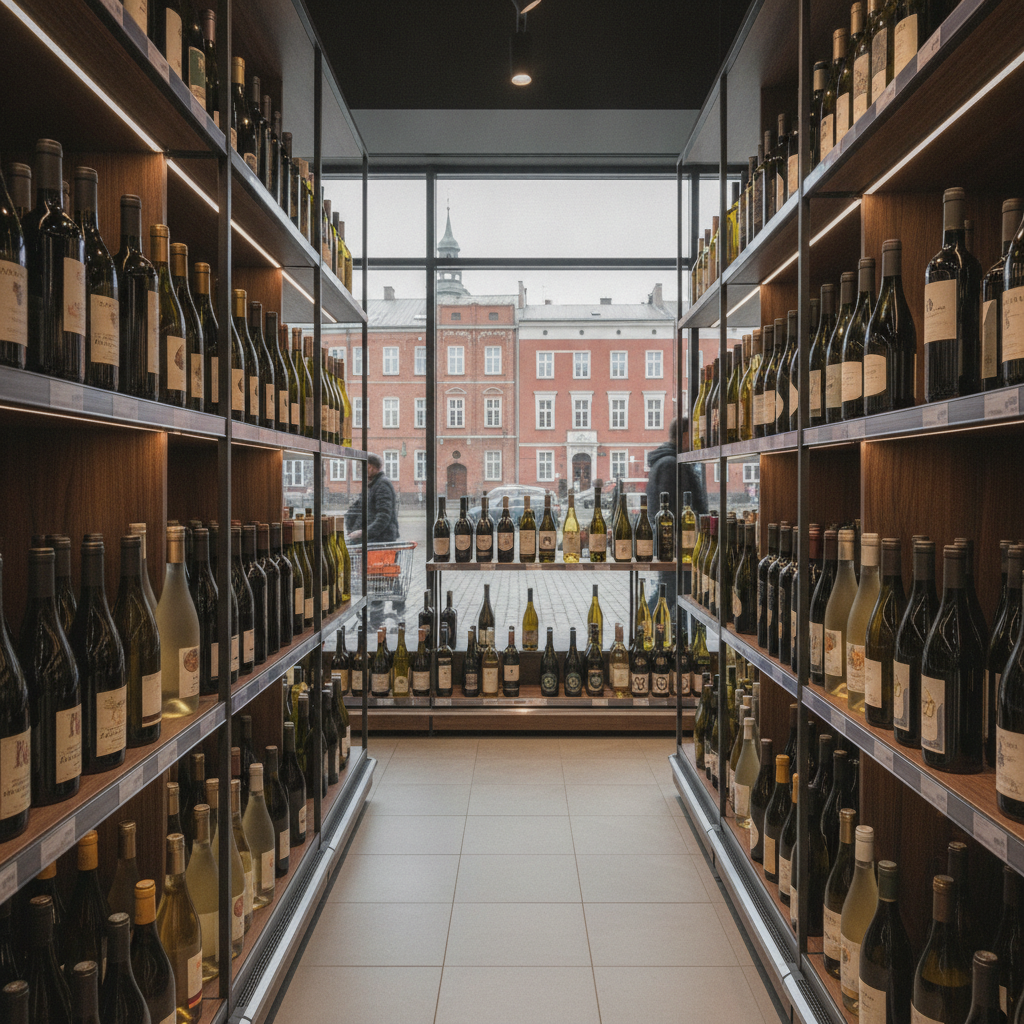
Polish consumers show a preference for dry red wines, which constitute the majority of sales. Wines produced from single grape varietals (monovarietal) are highly appreciated, including varietals such as Primitivo, Tempranillo, Monastrell, Syrah, and Malbec. For white wines, the preference is for dry wines, followed by semi-dry ones, with varietals like Macabeo, Sauvignon Blanc, Viognier, and Chardonnay among the most sought-after.
Brand names or varietals with simple pronunciations, such as Prosecco or Primitivo, have historically driven consumption growth, suggesting that it is strategic to complement an offering of more complex denomination wines with more immediate "flagship" references to facilitate initial contact with importers.
What is the per capita wine consumption in Poland, and how much do consumers spend?
In 2021, the average annual consumption of wine and mead per person in Poland was 6.7 liters. Data from 2019 indicated wine as the second most popular alcoholic beverage after beer. In terms of expenditure, most Polish consumers are interested in low-to-medium price range wines: over half purchase a bottle up to 35 PLN (approximately 8 EUR), while 35.3% spend between 36 and 55 PLN (8-11.5 EUR). Only a small percentage purchase wines at prices above 95 PLN (over 20 EUR). A 2020 report indicates that the price of 48.2% of wines sold did not exceed 30 PLN (approximately 6 EUR).
What is the role of women in wine purchasing in Poland?
Women represent a significant share of wine buyers in Poland, accounting for 58% of purchasers according to some reports.
What are the main distribution channels for wine in Poland?
The Polish wine market is private, fragmented, and competitive, with the presence of 800-1,000 active importers. The main distribution channels are:
- HoReCa (Hotel, Restaurant, Catering): This channel accounts for approximately 70% of an importer-distributor's turnover and dominates in terms of value. Access is almost always through a local importer-distributor with warehouse facilities and a network of agents.
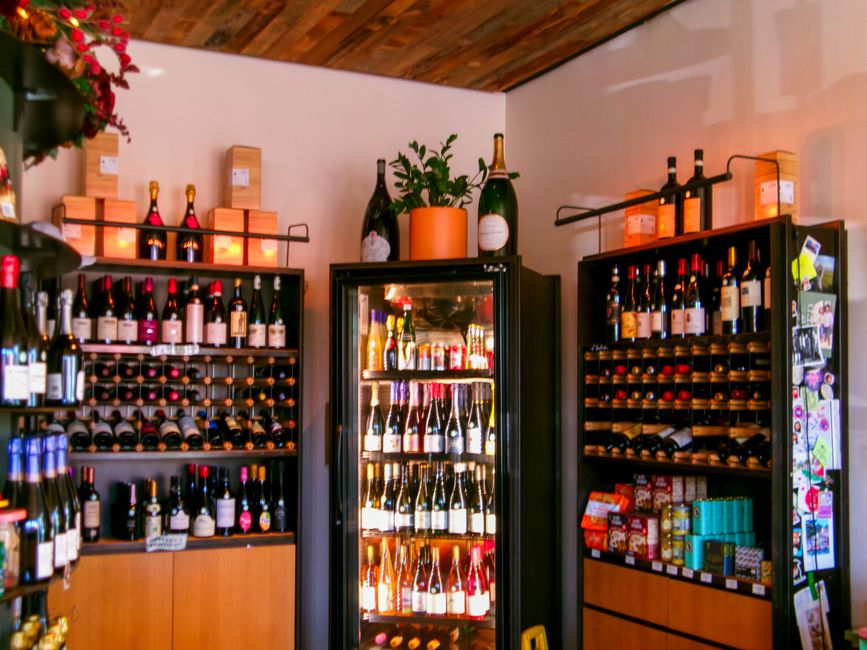
- Specialty Wine Shops: A medium-to-high end off-trade channel, useful for positioning premium wines and building brand image.
- Grocery Retail (Supermarkets and Discounters): This channel handles the largest volumes but offers reduced margins and significant bargaining power from buyers. Major discount chains impose very low price thresholds, making direct entry difficult for small wineries without adequate production scale.
Is it possible to sell wine online directly to consumers in Poland?
The sale of wine via the internet directly to the end consumer is prohibited by Polish sobriety laws. A foreign e-commerce business cannot ship wine directly to a Polish private individual without going through a local entity authorized to sell alcohol. This means the B2C online channel is primarily occupied by licensed local retailers or B2B platforms for professional clients.
What are the opportunities for Italian wineries in the Polish market?
The Polish market offers fertile ground for Italian wineries, but it requires a strategic approach. It is advisable to complement the historical offering with immediate and easy-to-communicate references, then gradually introduce labels with greater complexity. Leveraging the ICE institutional channel, focusing on quality and value while differentiating from price competition, and understanding consumer preferences (monovarietal wines, appreciated varietals) are key strategies. Adapting to the dynamics of distribution channels, considering the specificities of each and their respective price points and volume requirements, is essential.
The Wines Export pool includes several active buyers in the Polish market, a significant asset for Italian wineries wishing to navigate this complex market. Our network of contacts and deep understanding of local dynamics can facilitate access to qualified importers and support wineries in defining effective commercial strategies, helping to build stable partnerships and best position their wines in the dynamic Polish landscape.
Frequently Asked Questions
What types of wine are most popular among Polish consumers, and which grape varietals are sought after?
Polish consumers prefer dry red wines, with a strong preference for those produced from single grape varietals like Primitivo, Tempranillo, Monastrell, Syrah, and Malbec. For white wines, dry and semi-dry are appreciated, with varietals such as Macabeo, Sauvignon Blanc, Viognier, and Chardonnay among the most requested.
What is the average spending of Polish consumers on a bottle of wine, and what are the most common price ranges?
Most Polish consumers purchase low-to-medium price range wines, with over half spending up to 35 PLN (about 8 EUR) for a bottle. 35.3% spend between 36 and 55 PLN (8-11.5 EUR), while only a small percentage exceed 95 PLN (over 20 EUR). A 2020 report indicates that 48.2% of wines sold did not exceed 30 PLN (approximately 6 EUR).
What are the main distribution channels for wine in Poland, and how can Italian wineries access them?
The main distribution channels are HoReCa (approximately 70% of importers' turnover), specialty wine shops, and Grocery Retail (Supermarkets and Discounters). Access to HoReCa is almost always through a local importer-distributor. Wine shops are useful for positioning premium wines, while Grocery Retail handles high volumes but with reduced margins and strong buyer bargaining power.