Promoting Alto Adige Wine Abroad: Strategies for Wineries
Wines Export Editorial · Last updated:
The province of Bolzano/Bozen, with its distinctive alpine wine tradition, offers fertile ground for exporting high-quality wines. Alto Adige wineries, renowned for the excellence of their products and their commitment to sustainability, face an ever-evolving global market. This article is designed for export managers of Bolzano wineries, providing a clear overview of the opportunities, challenges, and effective strategies for successfully establishing themselves in international markets, while valorizing the territory's unique heritage. In-depth: Federdoc — National Confederation of Italian Wine Denomination Protection Consortia.
What are the distinctive characteristics of Alto Adige wine for export?
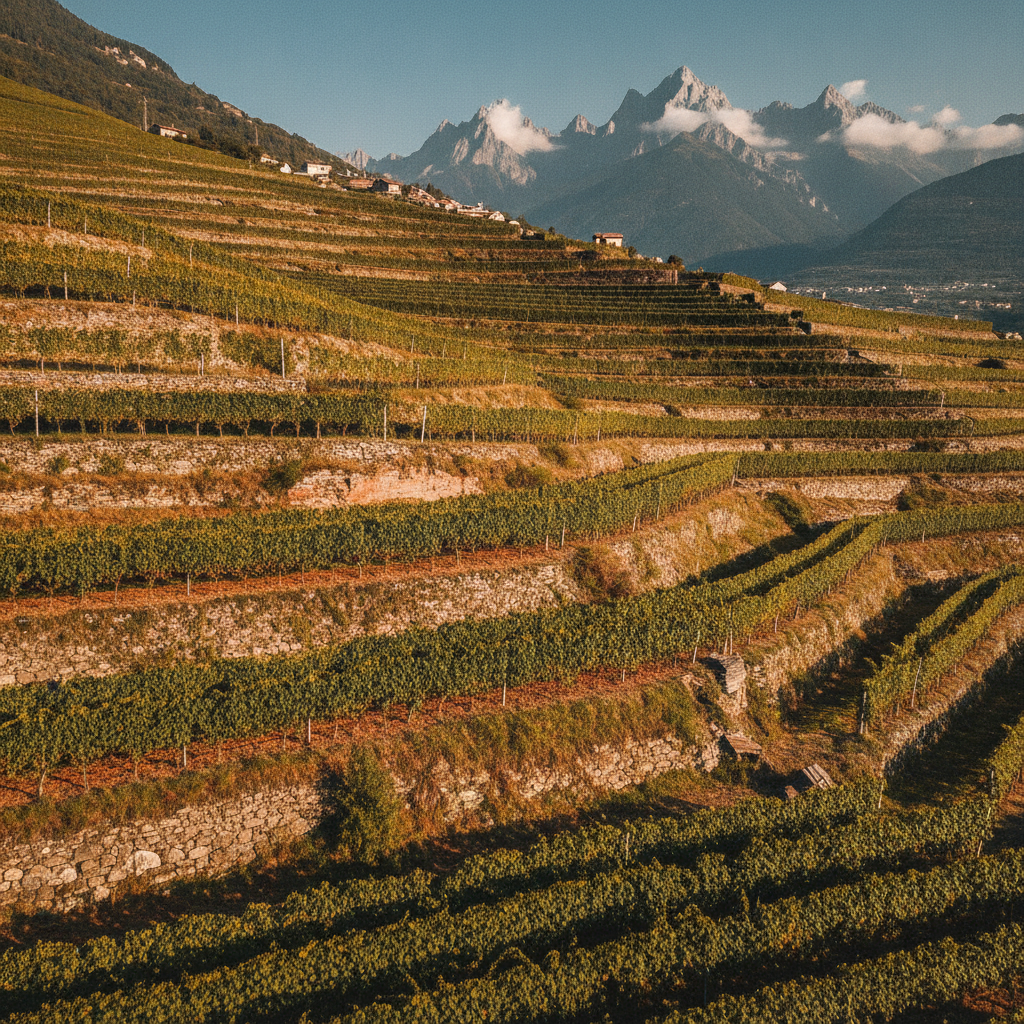
Bolzano/Bozen's wine heritage is unique, with indigenous and international grape varieties cultivated in an alpine terroir that imparts elegance and distinctive notes to the wines. Wineries in the Wines Export pool represent this excellence, focusing on quality and innovation.
Communicating the specificities of one's product and desired positioning is crucial for penetrating foreign markets. Alto Adige DOC offers a range of wines from aromatic whites like Pinot Bianco and Gewürztraminer to complex reds like Lagrein and Schiava, characterized by uniqueness that must be supported by concrete data and effective storytelling.
How do you qualify a potential foreign buyer for wine export?
Before any negotiation, it is essential to verify the buyer's reliability. This includes checking their business registration, verifying import licenses for alcoholic beverages (if required outside the EU), requesting bank or trade references, and analyzing their import history.
A careful credit risk assessment, possibly supported by services like SACE, is essential to prevent problems related to the commercial partner's insolvency and ensure the soundness of the transaction.
What information should a commercial offer for export include?
The commercial offer, usually in the form of a proforma invoice, must outline the order terms: detailed product description (appellation, vintage, bottle format), minimum order quantity (MOQ), unit price and currency, proposed Incoterm, and payment terms.
This document serves as the basis for negotiation, allowing both the buyer and the winery to define the final terms of the agreement transparently.
What are the essential documents for an international wine shipment?
Every international shipment requires documents to prove the transport contract, facilitate customs, and attest to regulatory compliance. Common documents include the Commercial Invoice (with description, quantity, value, Incoterm, and HS code 2204), the Packing List (with details on packaging and weight/volume), and the Bill of Lading/Insurance Certificate if applicable.
The exact list of documents varies by market; it is always necessary to consult the freight forwarder or ICE guides for the updated list before each shipment.
How is export managed in markets with monopoly regimes, such as Norway?
Cantina Bolzano's experience in the Norwegian market, managed by the state monopoly Vinmonopolet, demonstrates the importance of thoroughly understanding the regulatory framework. Despite a "more tortuous" path, this operation offered excellent guarantees and allowed the cooperative to export to 21 countries, with wines available in nearly 300 Vinmonopolet stores.
Diversifying channels and markets is a key strategy, especially in contexts with specific procedures, to broaden the distribution network.
What regulatory aspects should be considered for labeling and sales in specific European markets?
For the German market, attention must be paid to the sulfite declaration in German, the ingredients list or QR code, and LUCID registration for packaging. For markets like Albania, it is essential to verify the existence of a state monopoly and clarify online sales activities contractually.
Compliance of labels and consumer information with foreign regulations is crucial to avoid legal issues and ensure proper commercialization.
Frequently Asked Questions
What are the main Alto Adige grape varieties suitable for export?
The main Alto Adige grape varieties suitable for export include aromatic and fresh whites like Pinot Bianco and Gewürztraminer, and structured, complex reds like Lagrein and Schiava, all part of the Alto Adige DOC offering.
Is an import license required to sell wine in non-EU countries?
Yes, verifying the import license for alcoholic beverages is often mandatory in countries outside the EU and must be checked before initiating negotiations.
What is the role of SACE in wine export?
SACE can offer credit check services or credit insurance, helping to prevent unpleasant surprises related to the commercial partner's insolvency and supporting credit risk assessment.
Wines Export positions itself as a strategic partner for wineries in the province of Bolzano/Bozen looking to expand their presence in international markets. We offer personalized consultancy, access to a network of qualified buyers, and tools to optimize commercial penetration strategies, helping wineries overcome regulatory and logistical barriers to build lasting business relationships.