Caltanissetta Wines: International Sales Opportunities for Wineries
Wines Export Editorial · Last updated:
The province of Caltanissetta, a vital wine-producing heartland of Sicily, offers untapped potential for high-quality wine exports. This article guides local wineries through the complexities of the international market, outlining documentary requirements, sales strategies, and growth opportunities. Understanding global dynamics and leveraging the unique character of the territory are crucial steps to conquering new international palates and ensuring lasting success. In-depth information: Federdoc — Italian Confederation of Consortia for the Protection of Italian Wine Designations.
How to Initiate the Wine Export Process?
Exporting wine is a structured journey that begins with buyer qualification and concludes with product delivery. Each phase demands meticulous attention to detail, from verifying the commercial partner's reliability to managing shipping and customs clearance documentation, ensuring a smooth process compliant with international regulations.
Phase 1: Buyer Contact and Qualification
Before any negotiation, it is essential to verify the reliability and solvency of the potential foreign buyer. This includes checking their business registration, confirming their import licenses for alcoholic beverages (if required), requesting bank or trade references, and analyzing their import history. An accurate preliminary assessment, which can leverage credit check services or credit insurance, is fundamental to mitigating the risk of non-payment.
Phase 2: Commercial Offer and Negotiation
Once the buyer is qualified, the winery submits a proforma invoice. This document, while not having fiscal value, serves as the basis for negotiation, detailing products, minimum order quantity (MOQ), prices, currency, and the proposed Incoterm. The proforma is a flexible tool that can be renegotiated until a final agreement is reached between the parties, defining the commercial terms of the transaction.

What Documents Are Necessary for Wine Shipment and Customs Clearance?
Every international wine shipment requires a set of essential documents to attest to the transport contract, facilitate customs clearance, and certify regulatory compliance. The correct preparation of these documents is crucial to avoid delays and customs complications.
Shipping and Customs Clearance Documentation
Key documents for wine export include the Commercial Invoice, which details the product, quantity, value, and HS code (Chapter 2204 for wine), and the Packing List, which specifies the physical contents of each package. The Proforma Invoice, used in preliminary negotiations, previews the order terms. Depending on the market, certificates of origin, health certificates, or cargo insurance may also be required. It is essential to verify the specific documentation required for each importing country.
What is the Market Potential for Caltanissetta Wines Abroad?
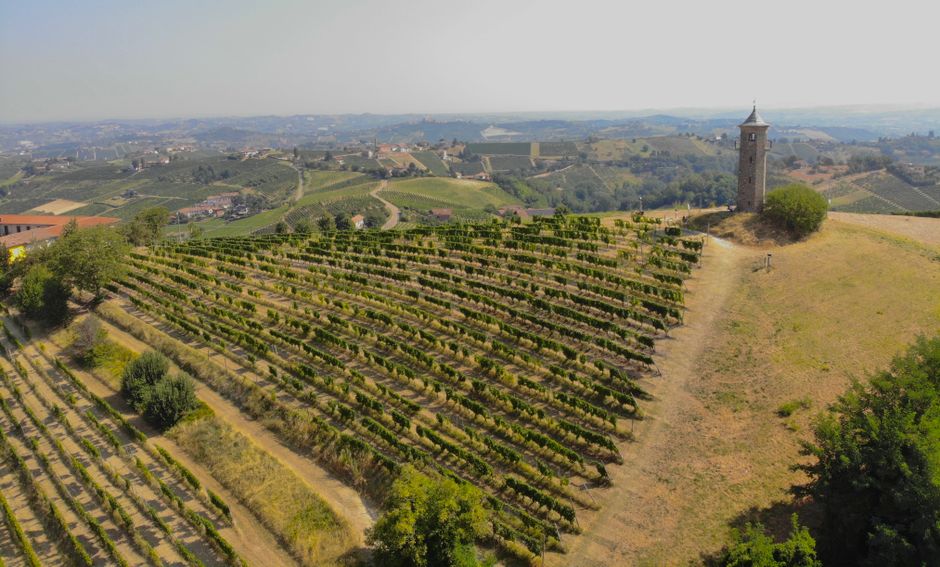
The Italian wine market abroad is experiencing constant growth, driven by quality, the richness of its designations, and its cultural identity. Wineries in the province of Caltanissetta benefit from a unique terroir that translates into distinctive wines capable of captivating international markets when presented with an authentic story and good value for money.
The Wine Market and Local Specificities
Wineries in the province of Caltanissetta, like other Sicilian producers, offer wines with unique characteristics thanks to their terroir. Exportation requires knowledge of the target countries' regulations and the ability to highlight territorial identity. The quality and strong cultural identity of Italian wine are key factors for success in foreign markets, where buyers seek authentic and valuable products.
What Do Foreign Buyers Look for When Purchasing Italian Wine?
International buyers favor products that offer excellent value for money, a clear identity, and a compelling story. For Caltanissetta wineries, this means emphasizing not only the organoleptic qualities of their wines but also the uniqueness of the territory, winemaking traditions, and the authenticity of the production process – elements that create an emotional and commercial connection.
What Foreign Buyers Seek
International buyers are looking for products that offer good value for money, a clear identity, and a story to tell. For Caltanissetta wineries, this means highlighting not only the organoleptic characteristics of their wines but also the uniqueness of the territory, winemaking traditions, and the authenticity of the production process. The presence of various wineries from the province within the Wines Export pool indicates a concrete interest in foreign markets, serving as a pioneer for other entities in the region.
Frequently Asked Questions
What are the requirements for exporting wine outside the European Union?
Exporting outside the EU requires verifying specific import licenses for alcoholic beverages in the destination country and preparing comprehensive customs documentation, including a commercial invoice, packing list, and, depending on the market, certificates of origin or health certificates.
How do you qualify a foreign buyer for wine export?
Qualifying a foreign buyer involves checking their business registration, assessing their alcohol import license, requesting bank or trade references, and analyzing their import history to ensure reliability and solvency.
What are the essential documents for an international wine shipment?
Essential documents include the Commercial Invoice, detailing the product and its value, and the Packing List, specifying the contents of each package. The Proforma Invoice is useful for preliminary negotiations. Additional documents may be required based on the destination country.
Wineries in the province of Caltanissetta have significant potential to expand their presence in international markets. A thorough understanding of the export process, meticulous preparation of necessary documentation, and the presentation of quality products with an authentic story are fundamental steps for success.