Italian Dessert Wines: Successful Export Strategies
Wines Export Editorial · Last updated:
The global market for sweet dessert wines is a prestigious niche, where Sauternes hold a place of honor. For Italian wineries aiming for export in this segment, understanding competitive dynamics and identifying positioning opportunities for their sweet wines is crucial. This article explores the characteristics of Sauternes, analyzes the context, and offers a strategic guide for exporting Italian wine in the sweet dessert wine sector, highlighting how to leverage the uniqueness of Italian products. Learn more: OIV — International Organisation of Vine and Wine.
How are Sauternes Wines Characterized?
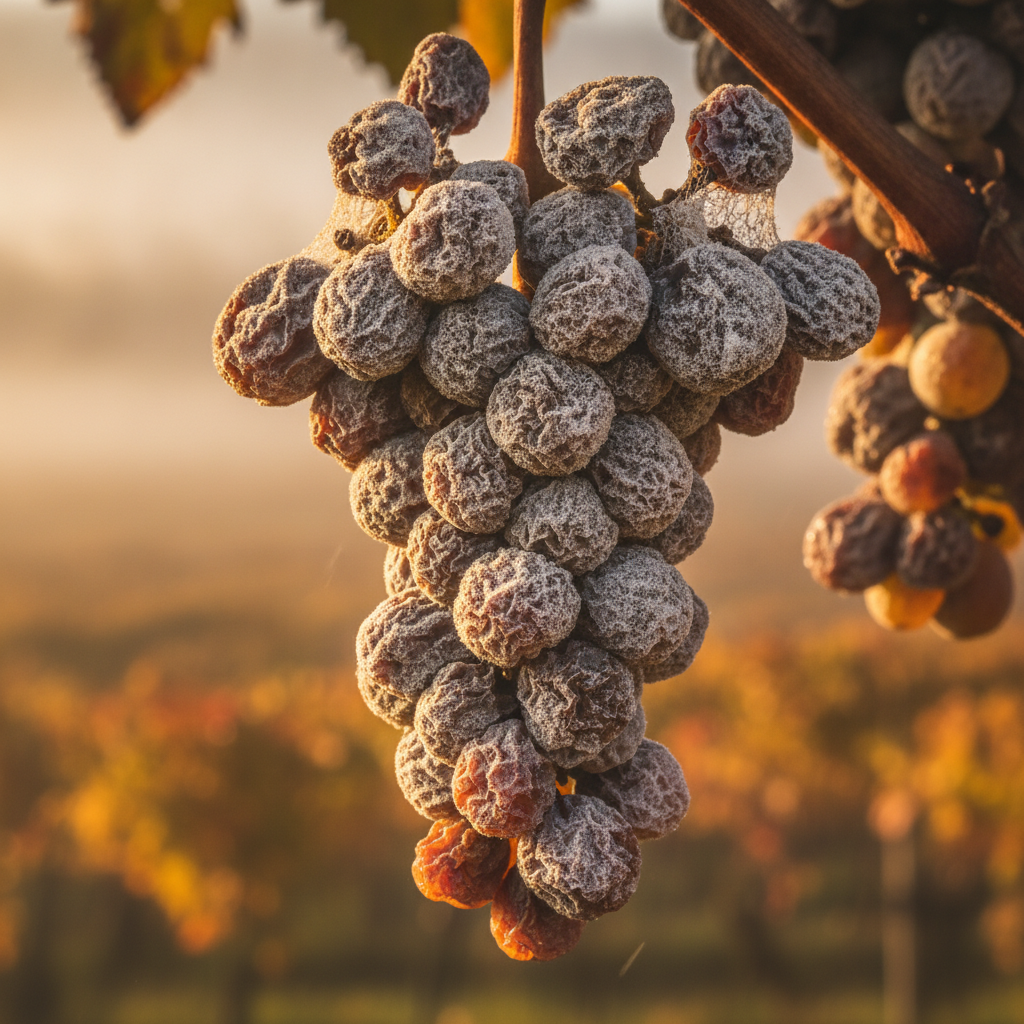
Sauternes wines are renowned for their uniqueness, derived from a specific terroir in the Bordeaux region, where autumn mists favor the development of noble rot (Botrytis cinerea). This mold dehydrates the grapes, concentrating sugars, acids, and aromas. The primary grape varietals are Sémillon and Sauvignon Blanc, with Muscadelle used in smaller quantities. The manual harvesting of botrytized grapes and extended aging in barriques contribute to their complexity, balanced sweetness, and exceptional longevity, with a bouquet ranging from candied fruit to honey and sweet spices.
What are the Main Competitors for Italian Sweet Wines in the International Market?
The sweet wine market is global and diverse. Beyond Sauternes, Europe offers excellent sweet wines from Germany (late-harvest Rieslings, Eiswein) and Austria. Italy itself boasts a heritage of indigenous sweet wines such as Passito di Pantelleria and Recioto della Valpolicella. Even the New World, with countries like the United States and Australia, is emerging with high-quality productions. Italian wines can capitalize on the diversity of indigenous varietals and winemaking traditions, but they must effectively communicate their distinctive value compared to established benchmarks.
How Can Italian Wineries Differentiate Themselves in the Sweet Wine Market?
To stand out, Italian wineries must communicate the uniqueness of their wine. This includes highlighting indigenous grape varieties, traditional production techniques like withering (appassimento) or late harvest, and the connection to their region of origin. Suggesting specific gastronomic pairings, both with Italian and international cuisine, can demonstrate the wine's versatility. An authentic narrative emphasizing the winery's history, the producers' passion, and the uniqueness of the territory is fundamental to creating an emotional connection with consumers and distinguishing oneself from the competition.
What Are the Most Promising Markets and Buyers for Italian Sweet Wines?
It is essential to identify the most receptive markets and commercial partners. Beyond markets where Italian sweet wines already have a good presence, areas with a growing interest in niche and high-quality products, and an audience willing to explore new wine types, can be considered. The search for importers, distributors, and retailers specializing in high-end wines, sweet wines, or Italian wines is crucial. The Horeca channel and specialized retail are important sales channels, as are dedicated Italian wine platforms that can support smaller wineries.
What Documents Are Necessary for Exporting Italian Sweet Wines?
For the export of Italian sweet wines, it is essential to have accurate documentation compliant with international regulations. Among the universally required documents are the Commercial Invoice, Packing List, and EORI registration for EU operators. A Proforma Invoice is useful in the preliminary negotiation stages. Each destination country has specific requirements for labeling, customs duties, and certifications, which must be consulted through ICE guides or competent authorities. Preparing information materials in English is a preliminary requirement for contact with foreign buyers.

How to Define the Positioning of Italian Sweet Wines?
To compete effectively, Italian wineries should aim for a mid-to-high or high-end positioning, consistent with the quality and complexity of their sweet wines. Communication must emphasize authenticity, tradition, and the uniqueness of Italian wine, telling the story of the winery and its connection to the territory. Participation in industry trade fairs, events dedicated to sweet wines, and targeted tastings for industry professionals, such as the Winelovers Wine Awards in Budapest supported by ICE, can significantly increase visibility and facilitate the acquisition of new business contacts.
Frequently Asked Questions
How can I position my Italian sweet wines in comparison to Sauternes?
You can differentiate yourself by emphasizing the uniqueness of your indigenous grape varieties, traditional production techniques, connection to your specific terroir, and your winery's history. Suggest unique gastronomic pairings and create an authentic narrative that highlights the distinctive value of your Italian wine.
What are the most suitable markets for Italian sweet wines?
Consider markets with a strong food and wine tradition and an audience willing to explore niche and high-quality wines. Look for commercial partners specializing in high-end or sweet wines, both in the Horeca channel and specialized retail.
What are the standard documentation requirements for wine export?
Standard documents include the Commercial Invoice, Packing List, and EORI registration for EU operators. It is crucial to inquire about the specific requirements of the destination country for labeling, duties, and certifications.
The sweet dessert wine market offers significant opportunities for Italian wineries looking to expand their international presence. A well-defined export strategy, highlighting product uniqueness, targeted market research, impeccable documentation, and effective communication will be key to securing a prominent place in the global landscape of fine sweet wines.