Forlì-Cesena Wine: Overseas Sales Opportunities and Buyer Requirements
The province of Forlì-Cesena, located in Emilia-Romagna, boasts a distinctive wine terroir with significant export opportunities. Its varied geography, from the Apennines to the plains, contributes to the production of unique wines, ranging from IGP Forlì denominations to the specificities of the Romagna DOC. This article is designed for wineries aiming to expand their global presence, analyzing territorial characteristics, grape varieties, regulations, and essential practical aspects for an effective export strategy. In-depth: Federdoc — Italian Denomination Wine Protection Consortia National Confederation.
How Does the Territory of Forlì-Cesena Influence Its Wines?
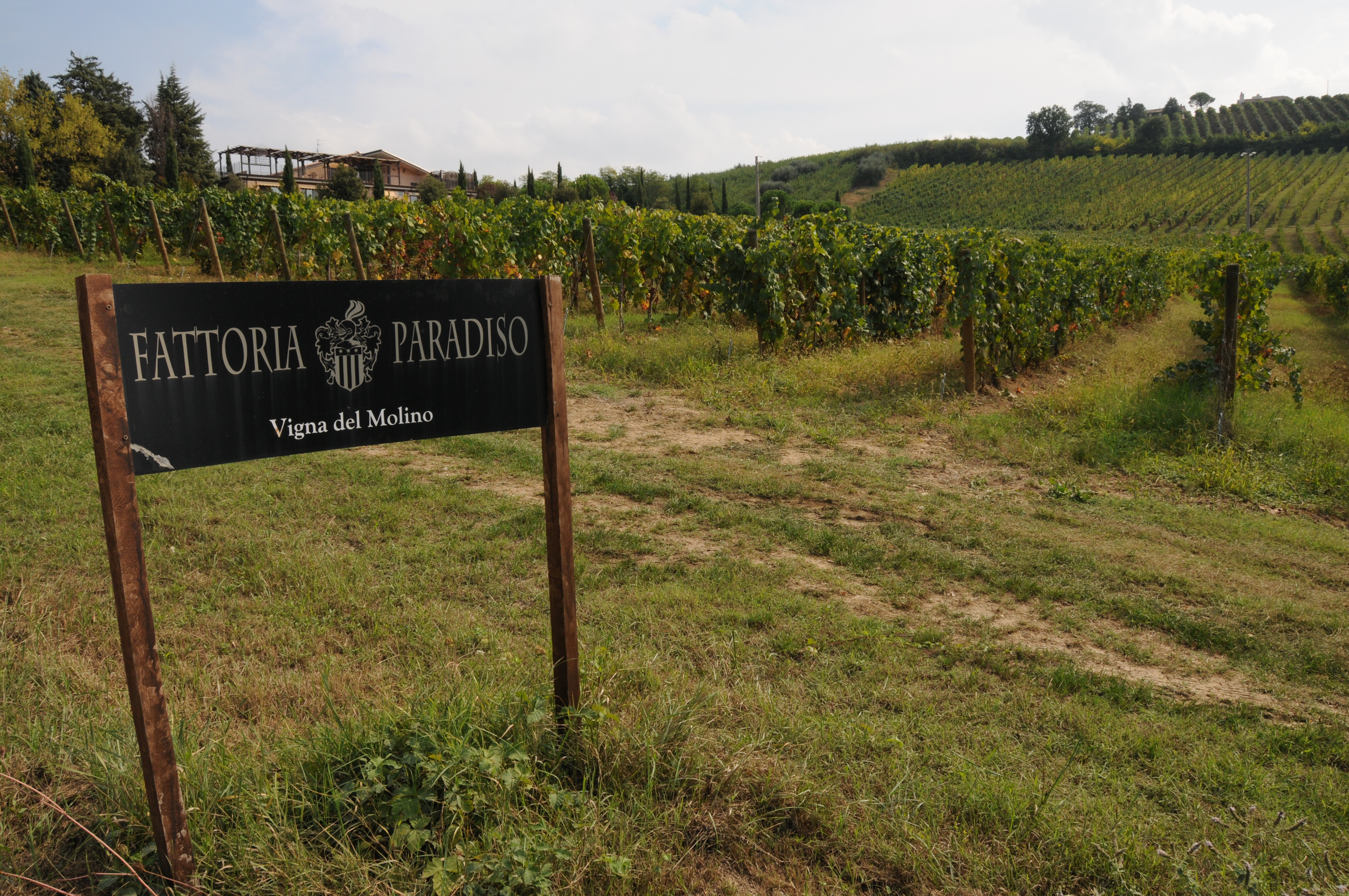
The territory of the province of Forlì-Cesena is characterized by predominantly Marnoso-arenacea (marly-arenaceous) soils, a composition that imparts complexity and structure to the wines. The varied morphology, with clay hills, badlands, and calcareous slopes, creates diverse microclimates that enhance a wide range of grape varieties, allowing for the expression of unique territorial peculiarities.
The Protected Geographical Indication (PGI) «Forlì» covers the entire province, guaranteeing the origin and quality of the wines. This denomination serves as a benchmark for foreign buyers seeking authenticity and a connection to the territory.
Several municipalities within the province, including Castrocaro Terme and Terra del Sole, Forlì, Forlimpopoli, Meldola, Bertinoro, Cesena, Montiano, Roncofreddo, Savignano sul Rubicone, and Longiano, fall within the production area of the Denomination of Origin Controlled (DOC) «Romagna». For specific denominations, such as Romagna Bianco Spumante di Qualità, stringent yield limits (e.g., 126 hl/ha) ensure typicity and quality.
Which Grape Varieties Characterize Wine Production in Forlì-Cesena?
The ampelographic heritage of the province of Forlì-Cesena includes both indigenous and international grape varieties, successfully adapted to the local terroir. This diversity allows for the offering of wines with a broad spectrum of styles and aromatic profiles, capable of meeting the demands of the global market.
Among the red grape varieties, Sangiovese N. (with variants like Sangioveto), Merlot N., Cabernet Sauvignon N., Syrah N., and Barbera N. stand out, ideal for structured red wines. These are complemented by unique varieties such as Ancellotta N., Centesimino N., Uva Longanesi N., and Marzemino N.
For white grape varieties, Trebbiano Romagnolo B. and Trebbiano Toscano B. are fundamental, forming the basis of fresh and versatile wines. Other important varieties include Chardonnay B., Pinot Bianco B., Sauvignon B., and Moscato Bianco B., appreciated for its aromatic qualities. The presence of Famoso B. and Malvasia Bianca di Candia B. further enriches the offering with aromatic and distinctive wines.
What Do Foreign Buyers Look for When Importing Italian Wine?
Foreign buyers seek reliability, regulatory compliance, and a product that reflects the authenticity of the territory. Buyer qualification is essential: it is necessary to verify their solvency, import licenses for alcoholic beverages (if required), and commercial references.
Commercial negotiation is formalized with a proforma invoice, detailing products, quantities, prices, and payment terms. Shipping documentation is crucial: the commercial invoice (with HS code 2204), the packing list (detailing packages and weights), and other documents such as the certificate of origin and the insurance policy must be precise and compliant with the regulations of the destination country.
It is essential to verify the specific documentation required by the importing market, consulting resources such as the ICE Agency or Access2Markets. The conformity of the label to local requirements, including any health warnings or nutritional information, is equally indispensable.
Which Wineries in Forlì-Cesena Are Available for Export?
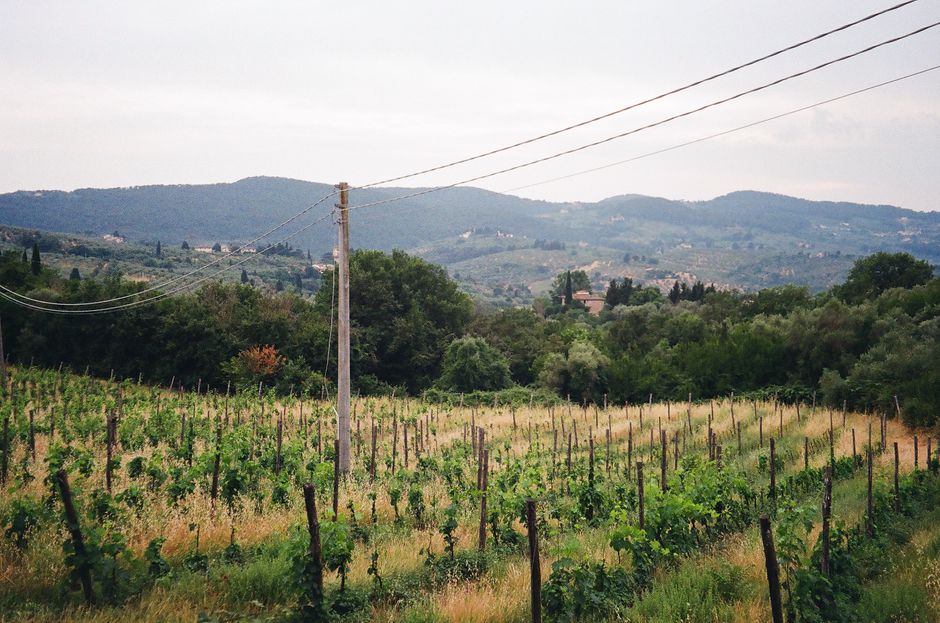
Wines Export collaborates with a selected pool of various wineries from the province of Forlì-Cesena that have chosen to expand their presence in international markets. This exclusive network offers foreign buyers access to a range of high-quality wines, authentic expressions of the Romagna territory.
The participation of these wineries in our pool demonstrates their ambition and their ability to meet the standards required for export. Wines Export provides strategic and operational support to facilitate market entry and consolidation, from partner search to logistical and documentary management.
For international buyers, this means having a reliable point of contact to discover and select excellent wines from the province of Forlì-Cesena, with a simplified import process supported by industry professionals.
Frequently Asked Questions
What are the main red grape varieties cultivated in Forlì-Cesena for export?
The main red grape varieties include Sangiovese N., Merlot N., Cabernet Sauvignon N., Syrah N., Barbera N., Ancellotta N., Centes