Gallura Wines: Discover Sardinia's Wineries and Market Potential
The province of Gallura, located in northeastern Sardinia, offers significant export potential for its wineries. The quality of its wines, the unique territory, and its indigenous grape varietals are strong draws for international markets. This guide is designed to support Gallura's wineries in their internationalization journey and to provide valuable information on the oenological excellence of this region to foreign buyers. Learn more: Federdoc — National Confederation of Consortia for the Protection of Italian Wine Denominations.
What are the Indigenous Grape Varietals and Territorial Characteristics of Gallura?
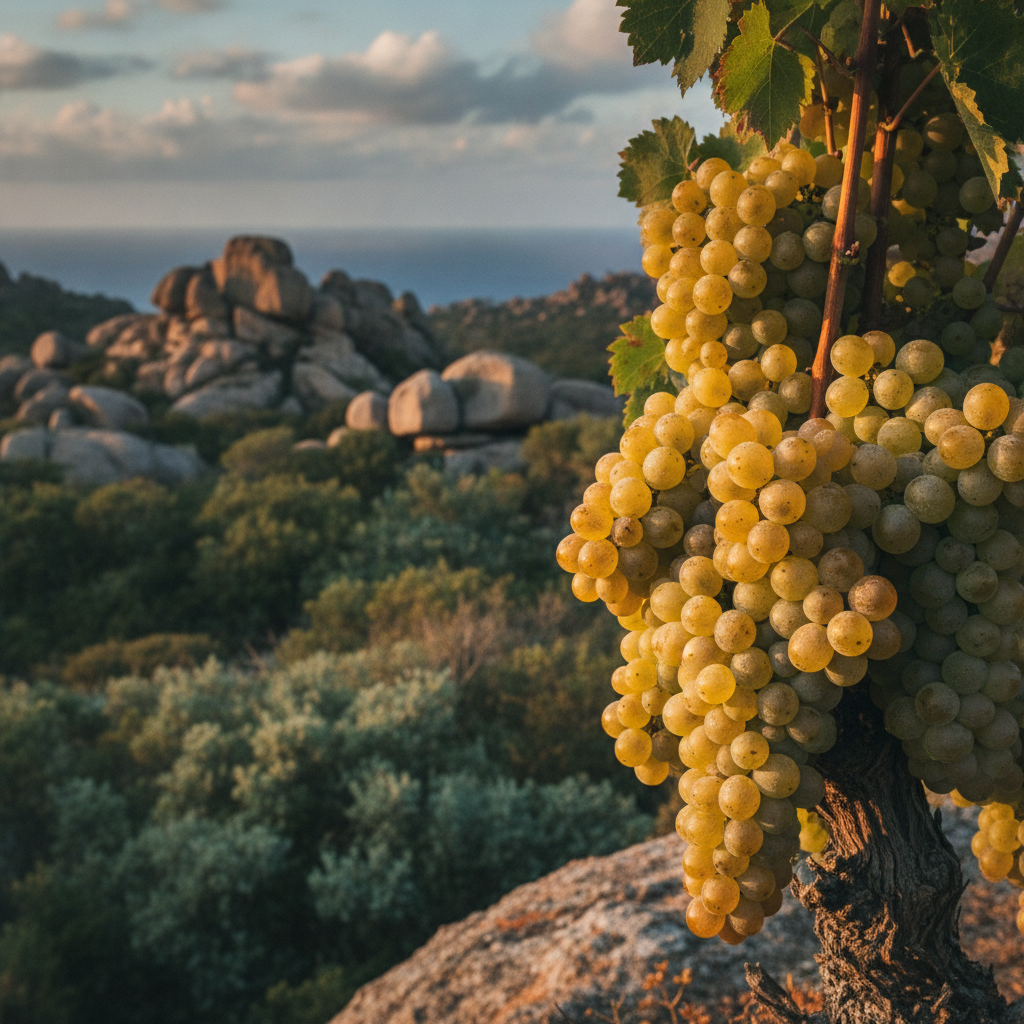
Gallura is characterized by a granite landscape and a Mediterranean climate, ideal for viticulture. Sardinia's indigenous grape varietals, such as Vermentino, Cannonau, Carignano, and Bovale, thrive in this unique terroir, giving rise to fresh and mineral white wines, and full-bodied, structured reds.
Gallura's wineries are dedicated to enhancing these grape varietals, often through projects focused on the recovery and selection of indigenous clones. This commitment to preserving Sardinian viticultural biodiversity adds a value of authenticity and uniqueness, elements highly sought after by international markets.
How Can Gallura Wineries Approach Export?
Wineries in Gallura, even those of medium-small size, possess a strong identity and a focus on quality that makes them competitive abroad. Many of these realities are already part of producer pools focused on export, demonstrating a clear willingness for international expansion.
The export manager must follow a defined operational path, which begins with Phase 1: Buyer Contact and Qualification. It is crucial to verify the commercial solidity and solvency of the importer by requesting information on their registration, alcohol import licenses, bank references, and import history. A preliminary credit risk assessment is essential to prevent future insolvencies.
Subsequently, the process moves to Phase 2: Commercial Offer and Negotiation. The winery sends a proforma invoice detailing products, minimum order quantities (MOQ), prices, currencies, and Incoterms. This document serves as the basis for negotiating payment terms and specific conditions.
What Documents Are Necessary to Export Wine from Gallura?
Exporting wine requires meticulous documentary preparation and an understanding of the specific regulations of each country. Common documents include the Commercial Invoice, Import Customs Declaration, Customs Valuation Declaration, and Transport Insurance.
It is essential that these documents are consistent with the information on the labels. Each country may have specific labeling requirements, such as translation into the local language or the addition of health warnings. Before each shipment, it is recommended to verify the updated documentary checklist with the shipping agent or through ICE guides. For intra-EU trade, the correct preparation of excise accompanying documents is crucial to avoid delays.
What Do International Buyers Look for from Gallura Wineries?
International buyers are attracted to products that offer uniqueness, authenticity, and a story to tell. Gallura's wineries can highlight:
- Indigenous Grape Varietals and Territory: The strong identity of Sardinian grape varietals and their connection to Gallura are distinctive elements of great value.
- Quality and Craftsmanship: The focus on quality, often linked to artisanal production and careful vineyard management, is highly appreciated.
- Authenticity and History: The narrative of the territory, traditions, and vine conservation projects creates an emotional connection with the end consumer.
It is fundamental to understand the dynamics of the target market, including the coverage of the HORECA channel versus retail, and to verify the existence of any state monopolies.
Frequently Asked Questions
What are the main indigenous grape varietals of Gallura?
The main indigenous grape varietals of Gallura include Vermentino, Cannonau, Carignano, and Bovale, which thrive in the local terroir.
How can I verify the solidity of a foreign buyer for wine export?
It is advisable to request information on their commercial registration, alcohol import licenses, bank references, and import history from other Italian producers.
What documents are generally required for wine export?
Common documents include the Commercial Invoice, Import Customs Declaration, Customs Valuation Declaration, and Transport Insurance.
The province of Gallura, with its unique wineries and indigenous grape varietals, represents an area of potential interest for wine export. The quality of its products, combined with the richness of the territory and the authenticity of the stories each winery can tell, forms a solid foundation for entering international markets.
If your winery in Gallura is ready to explore new export frontiers, Wines Export is by your side to support you in this strategic journey.