Ligurian Wine: Bringing Your Labels to International Markets from Genoa
Wines Export Editorial · Last updated:
The province of Genoa, with its oenological potential linked to the "Golfo del Tigullio" (or "Portofino") appellation, offers growth opportunities for wineries seeking to expand their presence in the international market. Understanding the documentary and operational requirements is crucial for successful export. This article provides a concise guide for Genoese wineries looking abroad, outlining key considerations for confidently and preparations facing international markets. In-depth: Federdoc — National Confederation of Italian Wine Protection Consortia.
What is the Oenological Potential of the Province of Genoa?
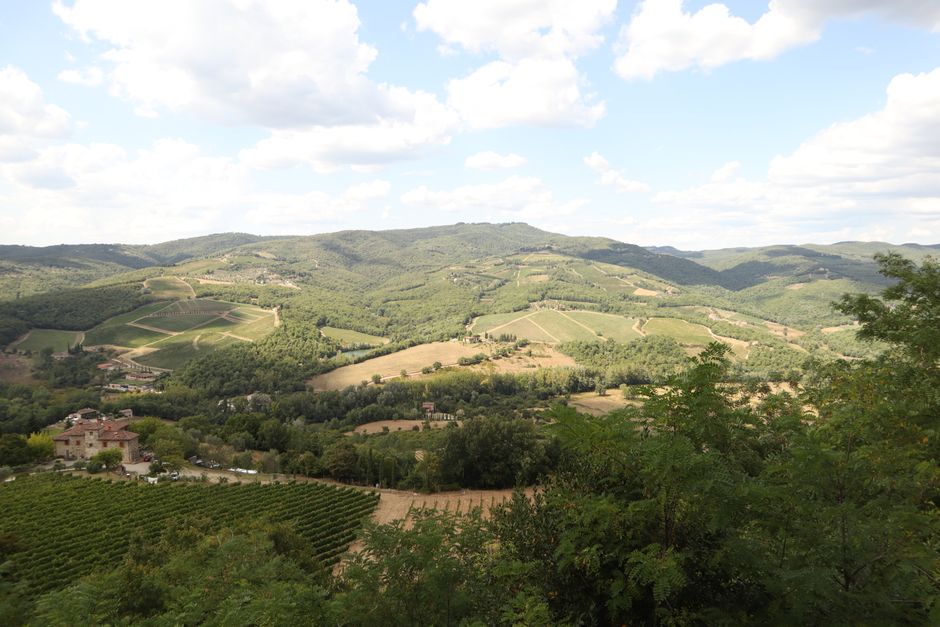
The province of Genoa, particularly the area defined by the "Golfo del Tigullio" (or "Portofino") appellation, boasts a unique Ligurian terroir. Its wines, often produced from indigenous grape varieties such as Bianchetta Genovese, Vermentino, Ciliegiolo, and Scimiscià, reflect the mild climate and proximity to the sea. For "Golfo del Tigullio-Portofino" or "Portofino" Moscato and Moscato Passito wines, the predominant grape variety is White Moscato.
The specific regulations for these wines require that at least 85% of the grapes come from the indicated grape varieties, with a 15% tolerance for other grape varieties suitable for cultivation in Liguria. The presence of wineries in this province testifies to the growing interest of the foreign market in Ligurian oenological excellence.

What Documents Are Essential for Exporting Wine?
Every international wine shipment requires a package of fundamental documents for transport, customs clearance, and regulatory compliance. These include the Commercial Invoice (with details on product, quantity, value, Incoterm, and HS code), the Proforma Invoice (for preliminary negotiations and import licenses), the Packing List (describing the physical contents of each package), and the Bill of Lading/Insurance Certificate (if applicable or chosen).
It is crucial to remember that the exact list of documents can vary by country. Before any shipment to a new market, it is essential to consult your freight forwarder or country-specific guides, such as those provided by ICE Agency.
How Does the Operational Flow Work from Order to Delivery?
The export process for a winery is divided into several operational phases. It begins with contacting and qualifying the buyer, verifying their commercial standing, import licenses, and history. Subsequently, the winery sends a proforma invoice to define details such as products, Minimum Order Quantities (MOQ), prices, currency, and Incoterms.
Once an agreement is reached, the order is confirmed, and preparation for shipment proceeds. It is essential to ensure that all documentation is in order and compliant with the regulations of the destination country to avoid delays or complications.
Are There Specific Considerations for the French Market?
For wineries targeting France, it is important to be aware of the stringent labeling regulations for wines. Beyond the mandatory European mentions, France may require additional information. It is advisable to consult the French institutional page "economie.gouv.fr – Quelles sont les mentions à vérifier sur les étiquettes des bouteilles de vin" for an updated overview.
Before any commercial shipment to France, a double-check between the winery's quality department, the export office, and the local distributor/importer is recommended to ensure compliance with current regulations.
Frequently Asked Questions About Exporting Wine from Genoa
What are the typical grape varieties for "Golfo del Tigullio" wines?
Wines with the "Golfo del Tigullio" controlled designation of origin can include indigenous grape varieties such as Bianchetta Genovese, Vermentino, Ciliegiolo, and Scimiscià. For "Golfo del Tigullio-Portofino" or "Portofino" Moscato and Moscato Passito wines, the predominant grape varietal is White Moscato.
What do I need to do to qualify a foreign buyer?
To qualify a foreign buyer, you need to verify their business registration, alcohol import licenses (if applicable), bank or trade references, and import history for similar products. A preliminary credit risk assessment is vital.
Where can I find information on country-specific labeling regulations?
It is advisable to consult country-specific guides provided by entities such as the ICE Agency or the institutional pages of the destination countries' governments, such as "economie.gouv.fr" for France.
Wineries in the province of Genoa have the opportunity to expand their presence in international markets, valorizing the unique wines of the Ligurian territory. The key to success lies in a thorough understanding of the specific documentary and operational requirements for each destination market.
For Genoese wineries interested in exploring export potential, Wines Export offers dedicated support.
Discover how Wines Export can help you export your wines: Request a personalized demo