Grosseto Wines: Bringing Your Labels to International Markets
The province of Grosseto boasts a wine heritage of significant value, but exporting wine requires a thorough understanding of regulations, documentation, and commercial strategies. This article serves as an essential guide for Grosseto-based wineries aiming to expand their presence in international markets, addressing the challenges and seizing the opportunities of a growing sector. From buyer qualification to shipment management, every stage is crucial for ensuring export success. Further Insight: Federdoc — National Confederation of Italian Wine Consortia for Protection.
How Do Wines from the Province of Grosseto Position Themselves in International Markets?
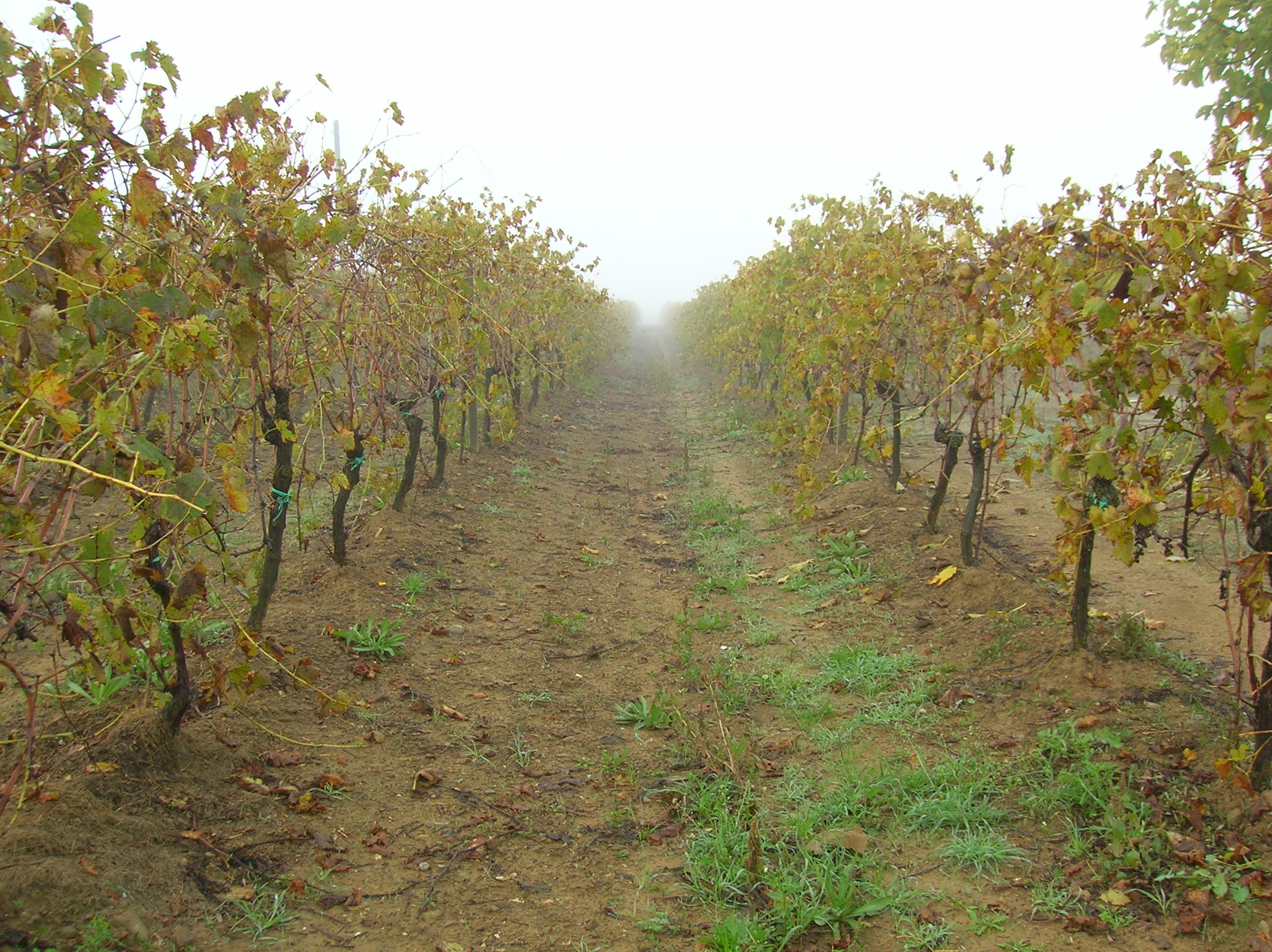
Grosseto wines, with designations like Morellino di Scansano DOCG and IGT Toscana, are gaining increasing global recognition. Tuscany's reputation as a cradle of fine wine, coupled with international demand for authentic Italian wines, creates fertile ground for local wineries. The quality and territorial expression of Maremma wines are key elements for attracting the interest of foreign importers.
To fully leverage this potential, mastering the export process is essential. This goes beyond producing excellent wine and includes a series of operational and documentary steps that demand preparation and attention to detail.
What Are the Operational Stages for Successful Wine Export?
Wine export follows a structured path that begins with the research and qualification of a commercial partner. Once contact is established, the process moves to defining the offer and negotiating contractual terms. Finally, the order is managed, and the shipment is prepared, ensuring all documentation is in order.
How to Qualify a Foreign Buyer for Wine Export?
Before engaging in negotiations, it's crucial to verify the reliability and solvency of the potential importer. This includes checking their business registration, their alcohol import license (mandatory outside the EU), bank or commercial references, and a history of importing Italian products. A preliminary credit risk assessment, supported by credit check services or credit insurance like SACE, can prevent future defaults.
How to Structure a Commercial Offer for Wine Export?
The winery sends a proforma invoice detailing the products (designation, vintage, format), minimum order quantity (MOQ), unit price and currency, proposed Incoterm, and payment terms. Although not a fiscal document, the proforma serves as the basis for negotiation and can lead to the definition of final contractual terms.
What Are the Steps for Preparing a Wine Shipment Abroad?
Once the commercial agreement is finalized, merchandise preparation begins. This includes proper product packaging to ensure integrity during transport and gathering all necessary documentation for customs clearance in the destination country.
Which Documents Are Indispensable for Wine Export?
Correct documentation is crucial to avoid delays and customs disputes. Among the most common documents are the Commercial Invoice, Proforma Invoice, Packing List, Certificate of Origin, and, depending on the market, health or phytosanitary certificates. An insurance policy is necessary if stipulated in the terms of sale or by winery choice.
What Should a Commercial Invoice for Wine Export Contain?
The Commercial Invoice, prepared by the exporter, is mandatory and details the product (designation, vintage, format), quantity, unit and total value, Incoterm, and HS code (for wine, chapter 2204). Customs authorities use it to calculate duties and taxes.
What is the Purpose of a Proforma Invoice in Wine Export?
The Proforma Invoice has no fiscal value but anticipates the order terms. It's useful for preliminary negotiations, for the importer to obtain import licenses, or for requesting credit lines.
What is the Role of the Packing List in Wine Export?
The Packing List describes the physical contents of each package, specifying the number of cartons, type of packaging, gross/net weight, and volume. It's essential that it precisely matches the Commercial Invoice to facilitate customs operations.
Why Is the Certificate of Origin Important for Italian Wine?
The Certificate of Origin attests to the wine's country of production, a fundamental piece of information for applying preferential duties or complying with specific regulations of the importing country.
When

Frequently Asked Questions
How can I verify the reliability of a potential wine importer abroad?
It is essential to check the importer's business registration, their alcohol import license (if outside the EU), bank or commercial references, and a history of importing Italian products. A preliminary credit risk assessment, supported by credit check services or credit insurance, can prevent future defaults.
What information should be included in a proforma invoice for wine export?
The proforma invoice should detail the products (designation, vintage, format), minimum order quantity (MOQ), unit price and currency, and the proposed Incoterm.