Wines of Imperia: Strategies for Reaching International Markets
The province of Imperia, with its heroic viticulture and indigenous grape varietals, offers untapped export potential for Italian wineries. This territory, nestled between the sea and mountains, produces high-quality wines that are an authentic expression of a unique terroir. The objective is to guide local wineries in successfully tackling international markets, leveraging the distinctiveness of their products and adopting effective operational strategies to reach a discerning global clientele. Learn more: Federdoc — National Confederation of Italian Wine Protection Consortia.
Why is Wine from the Province of Imperia Interesting for Export?
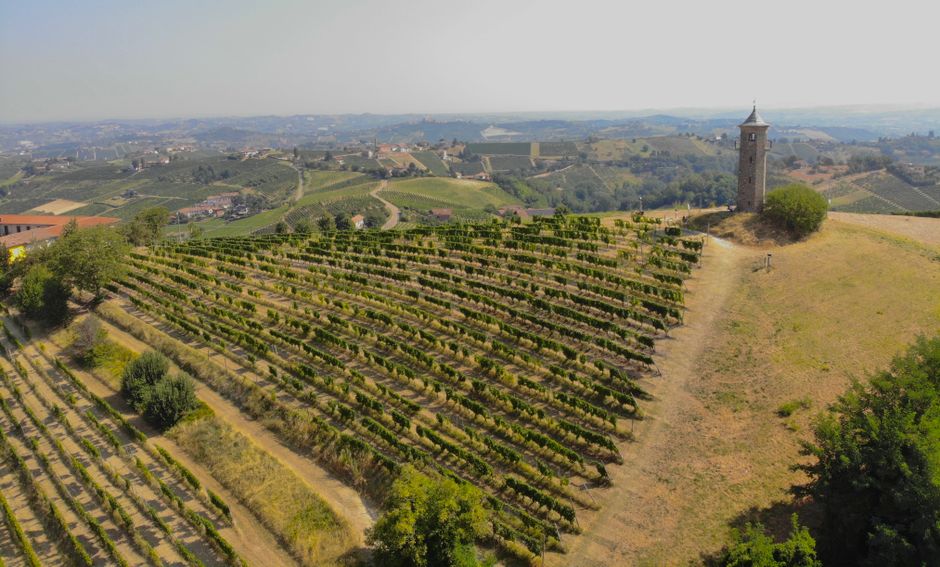
The Imperia territory, with its varied landscape and specific climatic conditions, fosters the cultivation of both indigenous and international grape varietals. Heroic viticulture, often practiced on terraced slopes requiring manual labor, yields high-quality wines that are an authentic expression of the terroir. Wineries, though limited in number, focus on quality and innovation while maintaining a strong connection to tradition.
Wineries in the province of Imperia are part of the Wines Export producer pool, demonstrating a clear intent to expand their presence in international markets. These enterprises, often family-run, are ready to offer unique products capable of captivating even the most demanding palates thanks to their authenticity and quality.
What Do International Buyers Look For in Italian Wine?
International buyers seek wines with a good quality-price ratio, a strong territorial identity, and an authentic story. Wines from Imperia, with their indigenous grapes and traditional cultivation techniques, meet this demand. The narrative of "heroic wine" or "sea wine" can be a powerful marketing tool, highlighting the territory's uniqueness.
Foreign markets appreciate wines that tell a story connected to their region of origin. Wines from Imperia, with their indigenous grapes and traditional cultivation methods, can satisfy this need. The narrative of "heroic wine" or "sea wine" can be a potent marketing tool for differentiation.
While tradition is fundamental, buyers also look for wineries that demonstrate consistent quality and, where appropriate, innovation in winemaking techniques and product presentation. This balance between past and future is crucial for attracting and retaining the interest of global markets.
Negotiating with an international buyer requires meticulous preparation. Wineries must be able to provide comprehensive informational material (technical data sheets, price lists in English, high-quality label images), be clear about delivery terms (Incoterms), and payment methods (letters of credit, documentary collection). Preparing accurate documents such as the commercial invoice, packing list, and certificate of origin is crucial to avoid customs delays.
Each market has specific requirements for labeling and importing alcoholic beverages. For example, for the US market, it is necessary to verify label compatibility with TTB (Alcohol and Tobacco Tax and Trade Bureau) regulations before promising product availability. Understanding and adhering to these regulations are essential for successful export.

How to Prepare Export Materials for Imperian Wine?
Before initiating any commercial contact, it is essential to have professional informational materials translated into English. This includes technical wine sheets with details on grape varietals, alcohol content, and tasting notes, as well as a winery presentation illustrating its history, production philosophy, and the territory's peculiarities.
A clear price list is necessary, indicating delivery terms (Incoterms such as FCA, FOB, CIF) and currency. Furthermore, high-resolution images of labels, bottles, and, if possible, vineyards and the winery are fundamental for an effective and professional presentation.
Which Target Markets and Buyers Should Be Identified for Imperian Wine?
The selection of foreign markets is crucial. Countries like the United States, with their vast demand for Italian wine, represent a primary target. Other European or emerging markets can offer specific opportunities. It is important to research reliable distributors or importers, verifying their experience in the wine sector and their knowledge of the local market.
Tools like ICE (Italian Trade Agency) guides and platforms such as Access2Markets can provide valuable information on import requirements and available trade channels. These tools help identify suitable partners and understand market dynamics.
How to Manage Negotiations and Contractual Aspects for Export?
Once a potential buyer is identified, negotiations must be handled with the utmost professionalism. The winery will need to be prepared to negotiate minimum order quantities (MOQ), payment terms, and Incoterms. For high-risk markets or new buyers, using instruments like a documentary letter of credit (DLC) can offer greater security.
Understanding the UCP 600 rules of the International Chamber of Commerce is fundamental in these cases. This ensures that transactions are managed transparently and securely, protecting both parties and facilitating solid and lasting commercial agreements.
What Documents and Logistics Are Necessary for Wine Export?
Preparing shipping documentation is a critical step. In addition to the commercial invoice and packing list, certificates of origin, health certificates, or other specific documents may be required depending on the destination country. Collaborating with an experienced freight forwarder is essential to ensure all customs formalities are handled correctly and that goods arrive at their destination without a hitch.
Frequently Asked Questions
What are the main indigenous grape varietals of the province of Imperia?
The original text does not specify the names of the indigenous grape varietals but mentions their presence and the importance of indigenous grapes for territorial identity.
What are the specific labeling requirements for wine in the US market?
For the US market, it is necessary to verify label compatibility with TTB (Alcohol and Tobacco Tax and Trade Bureau) regulations.
What tools can help identify import requirements in foreign markets?
Tools like ICE guides and platforms such as Access2Markets can provide valuable information on import requirements and available trade channels.
The province of Imperia possesses a wine heritage of great value, capable of attracting the interest of international markets. Wineries in the region, with their dedication to quality and authenticity, have what it takes to compete globally. Through careful preparation, a targeted export strategy, and professional management of negotiations and logistics, Imperian wines can capture new market shares, bringing Ligurian excellence to tables worldwide.