Selling Wine Abroad: Opportunities for Molise Wineries
Wines Export Editorial · Last updated:
The province of Isernia, in the heart of Molise, boasts a niche enological heritage with significant potential in international markets. Its 52 municipalities produce wines with unique characteristics, capable of attracting foreign buyers seeking territorial excellence. This guide is designed for Isernia wineries looking to enter or consolidate their presence abroad, analyzing fundamental export aspects, from market understanding to documentation management, with a focus on the specificities that can make a wine from Isernia a success. Learn more: Federdoc — National Confederation of Italian Wine Denomination Protection Consortia.
What is the enological context of the province of Isernia?
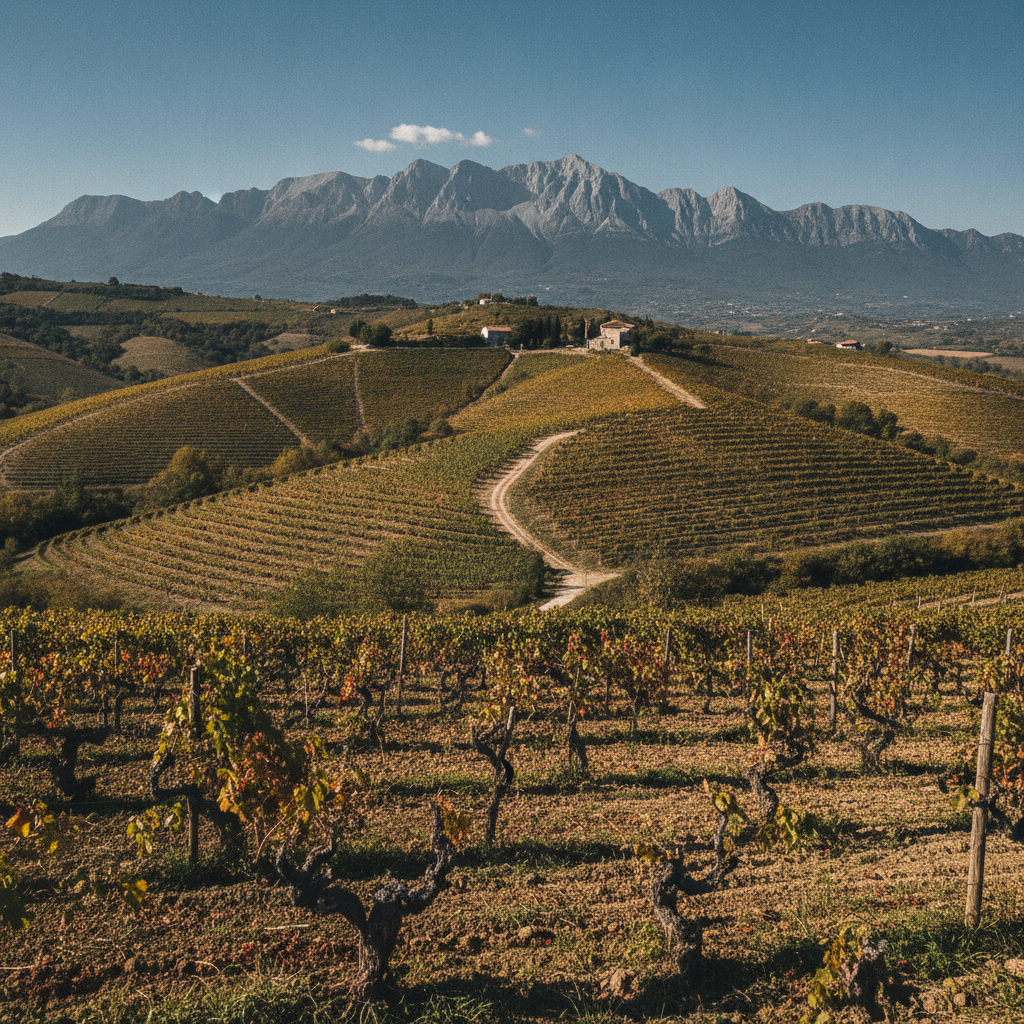
While Isernia may not have world-renowned DOCG designations, its traditional viticulture is undergoing a renewal. The unique pedoclimatic conditions, influenced by the Matese mountains and hilly/mountainous areas, impart distinctive characteristics to both indigenous and international grape varietals.
Local wineries, often family-run and quality-focused, produce wines that reflect the territory's identity. Export represents a natural evolution, allowing for the valorization of an enogastronomic heritage that deserves recognition beyond national borders. The challenge lies in effectively communicating the added value of these productions, often linked to limited quantities and a strong connection to the land.
How can I develop effective export strategies for my Isernia winery?
The approach to exporting for Isernia wineries must be strategic and targeted. Without the renown of established brands, it is essential to build a compelling narrative around the product, emphasizing authenticity, quality, and territorial origin.
How do I identify the most suitable foreign markets for my wines?
Rigorous market research is essential to identify countries and geographic areas where high-quality Italian wines, especially from lesser-known regions, are met with interest. Markets such as the United States, Canada, Germany, or emerging countries with a growing demand for niche products can offer opportunities.
Understanding local consumer preferences, import regulations, and competition is crucial. The ICE Agency (Italian Trade Agency) guides offer valuable resources for analyzing foreign markets, providing detailed country profiles on regulatory, commercial, and consumption aspects.
How do I structure my commercial offer for export?
Once target markets are identified, it is necessary to prepare an appropriate commercial offer. This includes defining prices, minimum order quantities (MOQ), and Incoterms. The winery will need to prepare a proforma invoice that details the product description (name, vintage, bottle size), quantity, unit price, currency, and proposed Incoterm. This document serves as the basis for negotiation with the foreign buyer/importer.
What documents are required to export wine?
Exporting wine requires specific documentation that varies depending on the destination country. Among the essential documents are:
- Commercial Invoice: Prepared by the exporter, it lists the full product description, quantity, value, Incoterm, and HS (Harmonized System) code for customs classification (for wine, chapter 2204). It is essential for determining duties and taxes.
- Packing List: Describes the physical contents of each package, including gross/net weight and volume. It must be consistent with the commercial invoice.
- Certificate of Origin: Attests to the country of origin of the wine, often required by customs authorities.
- Transport Documents: Such as the Bill of Lading for sea freight or the Air Waybill for air freight, depending on the shipping method.
- Health Certificate or Certificate of Conformity: In some markets, certificates attesting to the product's compliance with local health and safety regulations may be required.
It is crucial to consult the specific ICE guides for each destination country and collaborate with experienced freight forwarders to ensure all documentation is complete and accurate, avoiding delays or disputes at customs.
How can I valorize the territorial identity of my wines?
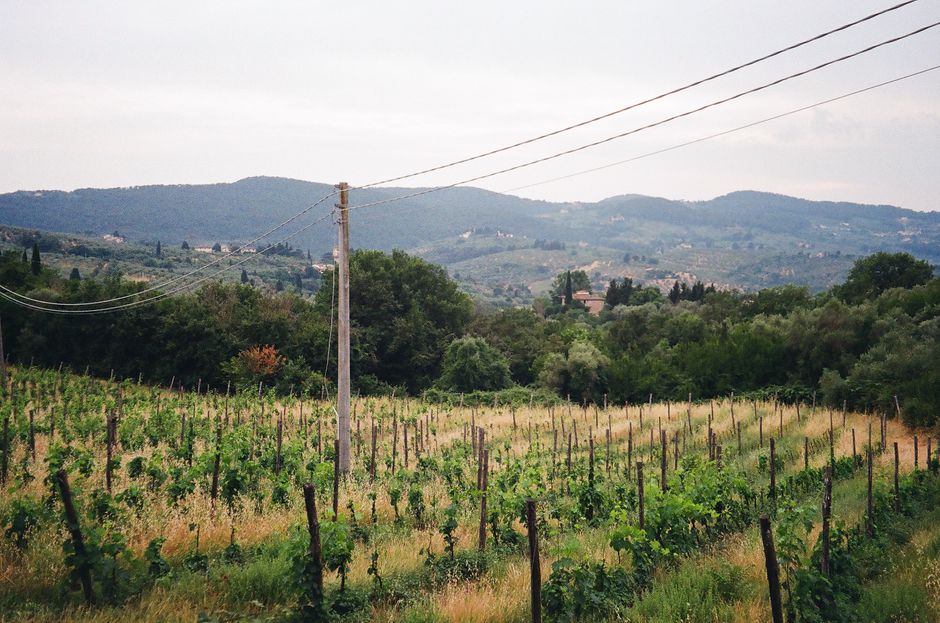
Wineries in Isernia have a unique opportunity to communicate their story and connection to the territory. Elements such as the use of indigenous grape varietals, traditional winemaking techniques, the vineyard landscape, and local enogastronomic traditions can become powerful marketing tools.
Participation in international industry trade fairs, organizing targeted tastings for importers and restaurant operators, and creating digital content (websites, social media) that tell the story of the winery and the region can contribute to building a strong and distinctive brand image.
Conclusions
Exporting wine from the province of Isernia represents a promising frontier for local wineries. Through strategic planning, robust documentary preparation, and effective communication of the intrinsic value of their products, it is possible to conquer new markets and establish the enological excellence of Molise on a global scale.
For wineries interested in exploring export opportunities, it is recommended to consult ICE guides for target markets, contact trade associations and consortia to evaluate collective initiatives, consider participating in international wine trade fairs, and seek advice from export experts and customs brokers for documentation management.
Frequently Asked Questions
What are the main grape varietals cultivated in the province of Isernia?
The original text does not specify the cultivated grape varietals but mentions the presence of indigenous and international grape varieties that benefit from the local pedoclimatic conditions.
What are the most promising foreign markets for niche Italian wines?
Markets such as the United States, Canada, Germany, and emerging countries with a growing demand for niche enogastronomic products are indicated as potential opportunities.
Where can I find information on wine import regulations in different countries?
The ICE Agency (Italian Trade Agency) offers valuable resources, with detailed country profiles covering regulatory, commercial, and consumption aspects.