Wineries of Abruzzo: How to Sell Your Wine in Foreign Markets
Wines Export Editorial · Last updated:
The province of L'Aquila boasts a valuable wine heritage, poised for international market appreciation. For wineries in this territory, export represents a strategic opportunity to expand their reach, promote their excellent products, and contribute to local economic growth. This article offers an essential guide for L'Aquila-based wineries aiming to establish or strengthen their global presence, covering the fundamental aspects of the export process. Learn more: Federdoc — National Confederation of Consortia for the Protection of Italian Denomination Wines.
How Do the Territorial Characteristics of the Province of L'Aquila Favor Wine Exports?
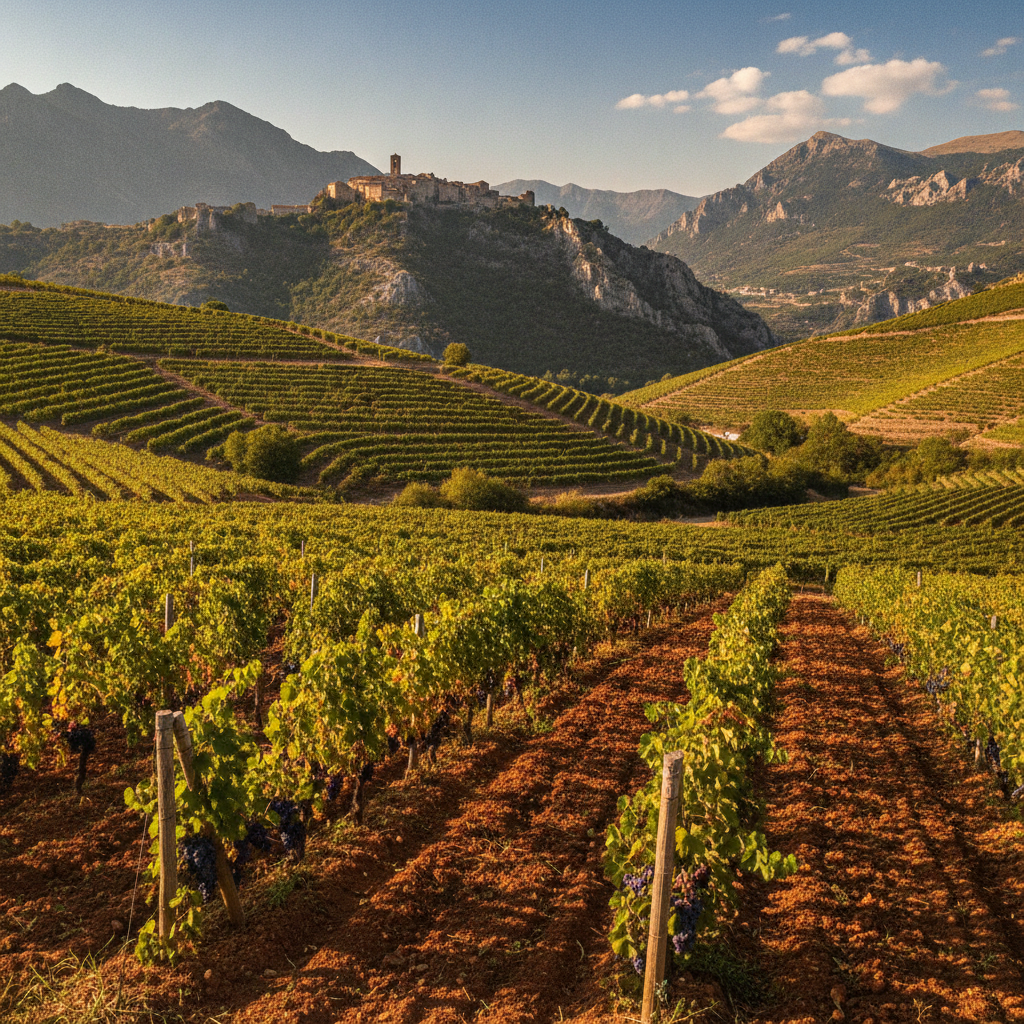
The province of L'Aquila, with its 108 municipalities, presents remarkable landscape diversity that is reflected in its viticulture. The unique microclimatic conditions, from valleys to mountain slopes, allow for the cultivation of indigenous and international grape varietals, yielding wines of distinctive character and quality. Export enables L'Aquila wineries to introduce these specificities to a global audience, overcoming the limitations of the domestic market and diversifying business risk.
What Are the Crucial Stages for Initiating an Export Negotiation?
Initiating an export negotiation with a foreign buyer or importer requires a structured and documented approach. Each stage, from the initial qualification of the commercial partner to the final shipment, presents specific requirements and documentation that should not be underestimated to build solid and lasting commercial relationships.
How to Qualify a Potential Foreign Buyer?
Before negotiating, it is imperative to verify the reliability and solvency of the potential foreign partner. This includes checking their commercial registration in the destination country, their possession of licenses for importing alcoholic beverages (mandatory in many non-EU markets), and obtaining bank or commercial references. A preliminary credit risk analysis, supported by credit check services or insurance such as those offered by SACE, can prevent future defaults.
What Should an Export Commercial Offer Include?
Wineries must prepare a proforma invoice that accurately details the products offered: designation, vintage, bottle sizes, minimum order quantity (MOQ), unit price, currency, and the proposed Incoterm. This document, though not fiscal, forms the basis for negotiation between parties and can be renegotiated until an agreement is reached.
What is the Necessary Operational and Customs Documentation for Export?
The export process requires a series of documents that vary depending on the destination market. Among the fundamental documents often required are the commercial invoice, the packing list (a detailed list of the contents of each package), the certificate of origin (which certifies the country of production of the wine), the insurance certificate (if stipulated by terms like CIF or CIP), and customs documents such as the import customs declaration and the customs value declaration.
It is crucial to consult the specific guides provided by ICE Agency for each destination country, as well as the information available on platforms like the European Commission's Access2Markets, to ensure all necessary and up-to-date documentation is in place. Regulations can change, making constant consultation with local forwarders or customs consultants indispensable.
How to Best Prepare Material for the Target Market?
Each international market presents unique challenges and opportunities. For wineries in the province of L'Aquila, it is essential to prepare informational material in English (or the language of the target market), including wine technical sheets, company presentations, price lists (specifying Incoterms like FCA or FOB), and high-quality images of labels.
Before promising immediate product availability, it is advisable to verify the label's compliance with the specific requirements of the importing country (e.g., TTB regulations for the United States). Clarity on MOQs, available formats, and production times is equally important for managing buyer expectations.
What Are the Specific Considerations for L'Aquila Wineries in Export?
While this article focuses on the province of L'Aquila, the general principles of export apply to all wineries. Highlighting territorial specificities, such as indigenous grape varietals and Abruzzese winemaking traditions, can be a strong point of differentiation in foreign markets. The search for a rigorously selected local distributor or importer is a fundamental step.
This partner will not only facilitate market access but also provide valuable insights into local dynamics, consumer preferences, and specific regulations.

Conclusion and Next Steps
Exporting wine from the province of L'Aquila is an ambitious yet achievable journey, requiring preparation, attention to detail, and a well-defined strategy. Understanding the operational flow, preparing the correct documentation, and selecting the right commercial partners are indispensable steps for success. L'Aquila wineries are encouraged to leverage available informational resources, such as ICE guides and export support platforms, to confidently face the challenges of the international market and bring the value of their territory to tables worldwide.
Frequently Asked Questions
What are the requirements for importing wine into non-EU markets?
Many non-EU markets require specific licenses for importing alcoholic beverages. It is essential to verify these regulations for each destination country.
How can I verify the reliability of a foreign buyer?
You can check the buyer's commercial registration in their country, verify their possession of necessary licenses, and request bank or commercial references.
Where can I find information on customs regulations for wine export?
You can consult the specific guides provided by ICE Agency for each destination country and the information available on platforms like the European Commission's Access2Markets.