Selling Your Wine Abroad from La Spezia: Everything You Need to Know
Wineries in the province of La Spezia possess untapped export potential, thanks to indigenous grape varieties and artisanal productions that attract foreign importers seeking authenticity. This article offers a practical guide for La Spezia wineries looking to expand into international markets, addressing logistical and documentation challenges, and for foreign buyers interested in discovering the oenological peculiarities of this Ligurian territory. The objective is to provide concrete information to facilitate access to global markets, valuing the uniqueness of local wines. Dive deeper: Federdoc — National Confederation of Italian Wine Protection Consortia.
The Oenological Context of the Province of La Spezia
What are the unique characteristics of wines from the province of La Spezia?
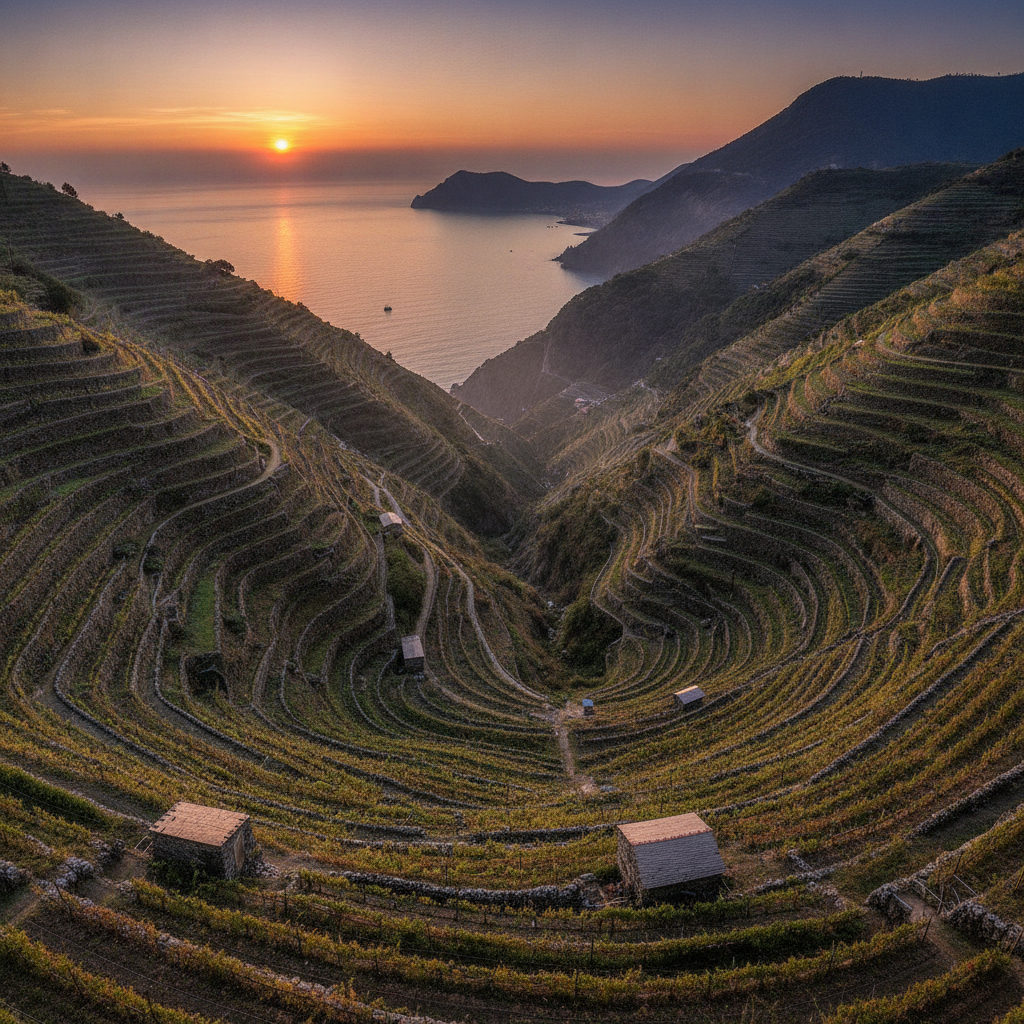
The province of La Spezia, despite its small size, boasts a millennia-old, often heroic viticulture, practiced on steep terraces. This orography imparts unique characteristics to its wines, influenced by mineral soils and the maritime climate. Indigenous grape varieties like Vermentino, Bianchetta Genovese, Ciliegiolo, and Sangiovese are the protagonists, giving life to products deeply tied to a specific terroir and high-quality artisanal production.
The Export Process: From Negotiation to Delivery
How is the initial contact phase with a foreign buyer managed?
The initial phase requires verifying the potential buyer's reliability and solvency. It is essential to check their business registration, alcohol import license (if applicable), request bank or trade references, and, if possible, their import history. This thorough qualification minimizes the risk of post-shipment insolvency.
What information should a preliminary commercial offer (proforma invoice) contain?
The proforma invoice, a non-fiscal negotiating document, must detail: product descriptions (name, vintage, bottle size), minimum order quantity (MOQ), unit price and agreed currency, along with the proposed Incoterm for shipment. It serves as the basis for negotiation and the definition of final terms between the parties.
What are the essential documents for an international wine shipment?
Every shipment requires documents to attest to the transport, facilitate customs, and prove compliance. Among the most common are the Commercial Invoice (with HS code 2204 for wine), Packing List, Transport Document (Bill of Lading, Air Waybill, or CMR), Certificate of Origin (issued by the Chamber of Commerce), and, if applicable, the Insurance Policy/Certificate. The exact list varies by market.
What payment instruments are recommended for managing export risks?
For high-risk markets or new buyers, a Documentary Letter of Credit (DLC) is a very secure instrument, as the importer's bank's commitment to pay is conditional on the presentation of compliant documents. Documentary Collection offers a lower level of security but is useful for reliable buyers. The choice depends on the specific risk assessment.
The Presence of La Spezia Wineries in the Wines Export Network
How many wineries from the province of La Spezia are currently partners of Wines Export?
Wines Export collaborates with various viticultural realities across Italy, including the province of La Spezia. Our pool of producers currently includes several wineries from this Ligurian province, testifying to the growth potential of local wine exports.
How does Wines Export support La Spezia wineries in exporting?
Our expertise facilitates international B2B connections, uniting the quality of La Spezia wines with new commercial opportunities in global markets. We support wineries in overcoming the logistical, documentary, and commercial challenges necessary for accessing international markets.
What Foreign Buyers Look for in Italian Wines
What characteristics of Italian wines most attract international buyers?
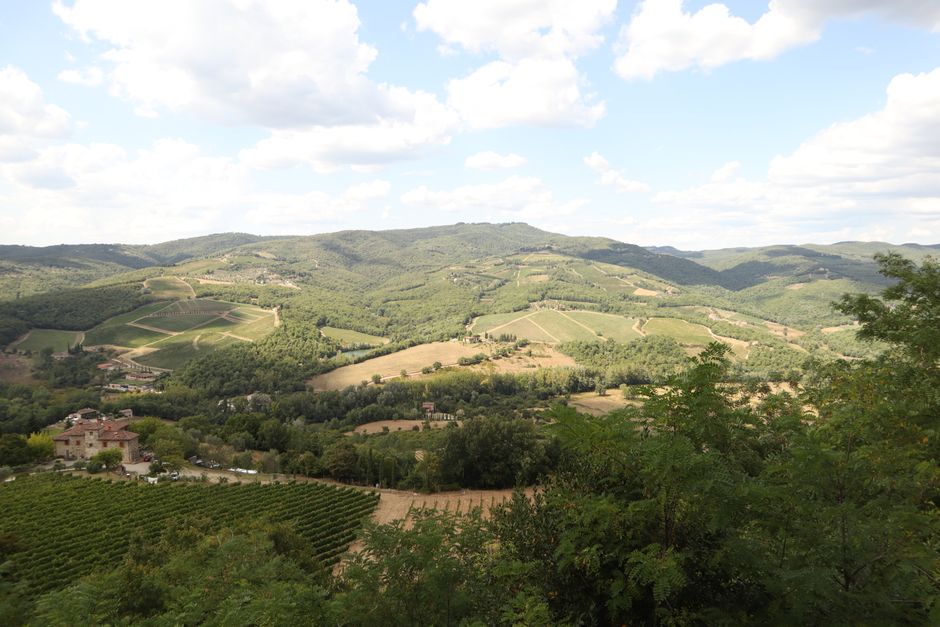
Buyers seek stories, authenticity, and a strong connection to the land. Wines from the province of La Spezia, with their heroic origins, indigenous grape varieties, and family traditions, possess these qualities. They are particularly interested in niche, indigenous, high-quality wines with a strong territorial link and growth potential.
What is the role of authenticity and terroir connection in the selection of Italian wines?
Authenticity, artisanal production, attention to sustainability, and a connection to the terroir are factors increasingly appreciated by international buyers. These elements bestow an added, distinctive value upon wines, making them more attractive in the global market.
Why are reliability and support important for foreign buyers?
The presence of a reliable partner like Wines Export, which facilitates logistical, documentary, and commercial operations, is a fundamental added value. It guarantees foreign buyers a smoother and more secure import process, reducing associated complexities and risks.
Frequently Asked Questions
What are the main indigenous grape varieties of the province of La Spezia?
The main indigenous grape varieties of the province of La Spezia include Vermentino, Bianchetta Genovese, Ciliegiolo, and Sangiovese.
What are the essential documents for exporting wine from Italy?
Essential documents include the Commercial Invoice, Packing List, Transport Document, Certificate of Origin, and, if necessary, an Insurance Policy.
How can the reliability of a foreign buyer be verified?
Reliability can be verified by checking their business registration, import license, requesting bank or trade references, and their import history.
The province of La Spezia holds an oenological treasure with great export potential. Its wineries, focused on quality and authenticity, can conquer new international markets by understanding the export process. Wines Export is the ideal partner to guide La Spezia wineries and foreign importers on this journey.