Opening the Doors to Tuscan Wine in International Markets: Your Comprehensive Guide
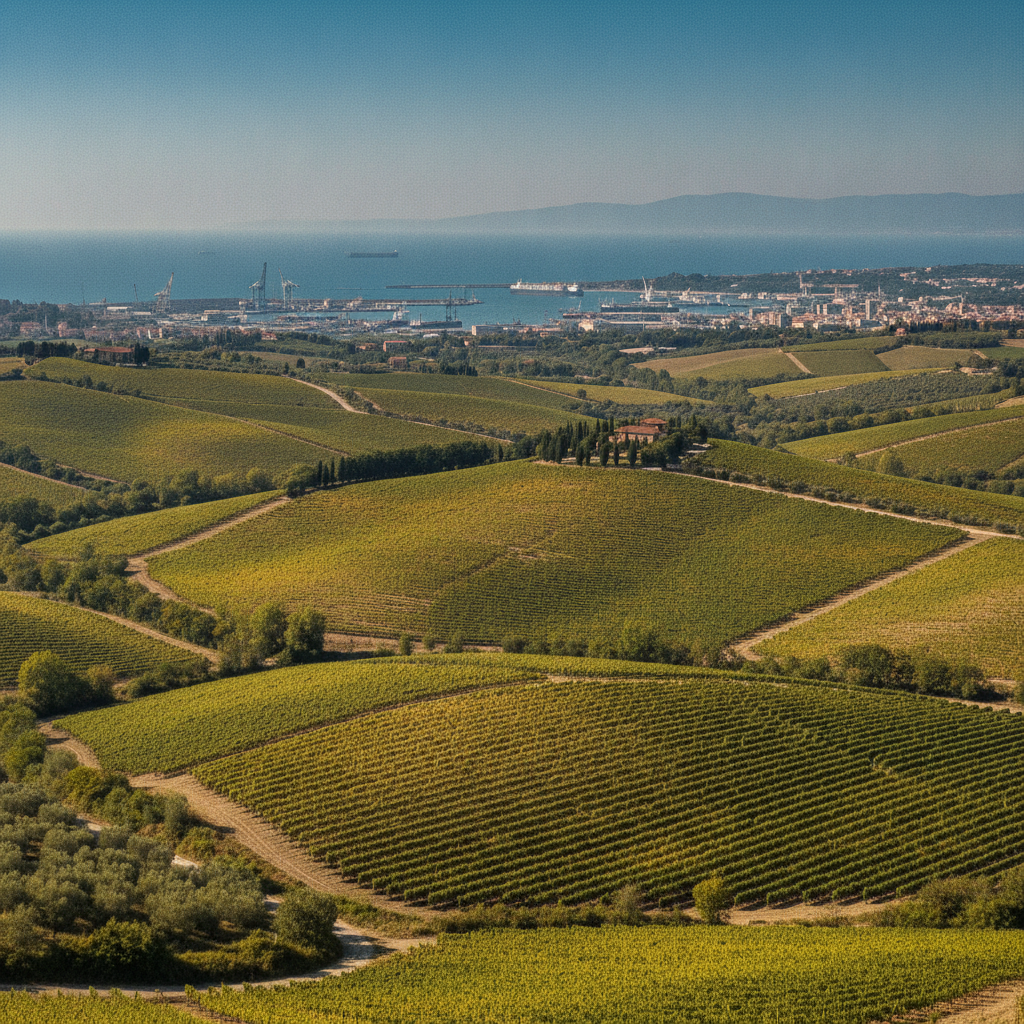
The province of Livorno, with its rich winemaking heritage and strategic location, offers significant potential for wineries aiming for international expansion. This article provides an essential guide for Livornese wine companies looking to export, covering crucial aspects from documentation to commercial strategies, with a special focus on the 19 municipalities within the territory. The goal is to offer a clear path to navigate the complexities of global trade and showcase the authenticity of Tuscan wines on the world stage. Learn more: Federdoc — National Confederation of Italian Wine Consortia.
What is the essential documentation for exporting wine?
Every international wine shipment requires key documents such as the Commercial Invoice (with detailed description, quantity, value, and HS code 2204), the Proforma Invoice for preliminary negotiations, and the Packing List detailing the contents of each package. EORI registration is also essential for shipments outside the EU.
Commercial Invoice
This mandatory document, prepared by the exporter, is crucial for customs authorities. It must include a detailed product description (appellation, vintage, bottle size), quantity, unit and total value, delivery terms according to agreed Incoterms, and the HS customs classification code (for wine, Chapter 2204). Errors at this stage can cause significant delays or customs disputes.
Proforma Invoice
While not a fiscal document, the proforma invoice is an essential preliminary tool. It anticipates the order terms and is often used for initial negotiations, for the buyer to obtain import licenses, or to activate documentary credit lines before the actual shipment.
Packing List
This document details the physical contents of each package shipped. It includes the number of packages, type of packaging (cartons, pallets), gross and net weight per package, and total volume. It is vital that the data on the packing list perfectly matches that of the commercial invoice.
EORI Registration (for EU Exporters)
Italian wineries shipping outside the European Union's customs borders require an EORI (Economic Operators Registration and Identification) number. This number is mandatory for any customs operation and uniquely identifies the economic operator in dealings with the customs authorities of all EU countries. The application is free of charge and can be made through the Italian Customs Agency. Without an EORI, goods cannot be declared to customs and risk being held.
Insurance Certificate
If the delivery terms stipulate it (e.g., CIF/CIP) or if the winery chooses to insure the shipment, the certificate attests to the active insurance coverage on the cargo.
It is important to emphasize that the exact list of required documents can vary significantly from market to market. Wineries should always verify the updated documentation list with their forwarder or through ICE country guides before the first shipment to a new country.
How to qualify a potential foreign buyer?
Before negotiating, it is crucial to verify the buyer's identity and solvency. This includes checking their commercial registration, alcoholic beverage import license, requesting bank/commercial references, and analyzing their import history. A credit risk assessment, supported by services like SACE, can prevent insolvency issues.
What information should an export commercial offer contain?
The commercial offer, often based on a proforma invoice, must include precise details on the products (appellation, vintage, size), minimum order quantity (MOQ), unit price and currency, proposed Incoterm, and payment terms. This document is the starting point for defining the final contractual conditions.
What are the strengths of wineries in the province of Livorno for export?
Wineries in Livorno can leverage authenticity, a strong Tuscan identity tied to the territory and indigenous grape varieties, and the ability to guarantee consistent quality. Flexibility on MOQs and sizes, combined with regulatory compliance, are key factors for attracting international buyers.
The Pool of Diverse Wineries Wines Export in Livorno
Wines Export has built a network that includes various wineries from the province of Livorno. These companies represent a solid starting point for those looking to explore foreign markets. Our industry expertise allows us to support these wineries in navigating the complexities of export, from preparing specific documentation for each market to negotiating with qualified importers.
What Foreign Buyers Seek from Livornese Wineries
International buyers are attracted by several factors when considering wine imports from the province of Livorno:
- Authenticity and Territory: The strong Tuscan identity is an added value. Wines that tell a story linked to the land, traditions, and indigenous grape varieties have particular appeal.
- Consistent Quality: The ability to guarantee high and consistent quality over time is fundamental for building lasting commercial relationships.
- Flexibility and MOQ: For emerging markets or buyers looking to diversify their offerings, the willingness to negotiate minimum order quantities (MOQ) and offer different formats can be a decisive factor.
- Regulatory Compliance: Correct documentation and compliance with the importing country's regulations (e.g., TTB requirements for the USA, or specific labeling regulations) are indispensable prerequisites.
How to prepare informative material for export?
Before initiating commercial contacts, it is essential to have wine technical sheets, a company presentation highlighting its history and strengths, a price list with clear delivery terms (e.g., FCA, FOB), and high-resolution images. It is advisable to verify label compliance with the destination market's requirements.
Market and Commercial Partner Selection
Choosing the target market and the commercial partner (importer, distributor) is crucial. Each country presents unique regulations, consumption preferences, and market dynamics. It is essential to:
- Research the Market: Understand consumption potential, competition, and specific regulations (e.g., duties, health certifications).
- Identify the Right Partner: Select importers or distributors with a strong reputation, an effective sales network, and a good understanding of the local market. Verify their experience with Italian wines and their ability to promote the brand.
- Check for State Monopolies: In some countries, the import of alcoholic beverages is managed by state entities. This dynamic must be clarified with the distributor or the relevant ICE office.

How to effectively manage relationships with importers?
Once a partnership is established, maintaining clear and constant communication, providing marketing and commercial support with promotional materials, and monitoring sales performance through KPIs to make strategic adjustments are essential.
Frequently Asked Questions about Exporting Livornese Wine
What are the specific documentary requirements for exporting wine to the United States?
To export wine to the United States, you must comply with the TTB (Alcohol and Tobacco Tax and Trade Bureau) requirements for documentation and labeling, in addition to standard customs documents.
Is it possible to negotiate lower Minimum Order Quantities (MOQs) for emerging markets?
Yes, flexibility on MOQs and formats can be a decisive factor in attracting buyers in emerging markets or for those looking to diversify their offerings.
What are the main advantages of having an EORI number for Italian wineries?
The EORI (Economic Operators Registration and Identification) number is mandatory for any customs operation outside the EU, uniquely identifying the economic operator and allowing goods to be declared to customs.
Wineries in the province of Livorno have a significant opportunity to expand their presence in international markets. A thorough understanding of the necessary documentation, preparation of effective marketing materials, careful selection of commercial partners, and strategic relationship management are fundamental steps to achieve this goal.
The various Livornese wineries within our pool represent an excellent starting point for exploring these opportunities. Wines Export is ready to support these companies in their internationalization journey, offering consultancy and facilitating access to global markets.