Mantua Wines: How Wineries Can Conquer Foreign Markets
Mantua, a province in Lombardy with a solid food and wine tradition, presents a wine export potential yet to be fully leveraged. Local wineries, while operating in a less-known context, produce quality wines capable of attracting international markets. This guide is designed for Mantuan companies wishing to expand their business abroad, analyzing the territory, production regulations, and operational strategies to reach new global consumers. Learn more at Federdoc — The Italian Confederation of Wine Denomination Protection Consortia.
The Mantuan Territory: Viticultural Potential
What are the characteristics of Mantua's wine territory?
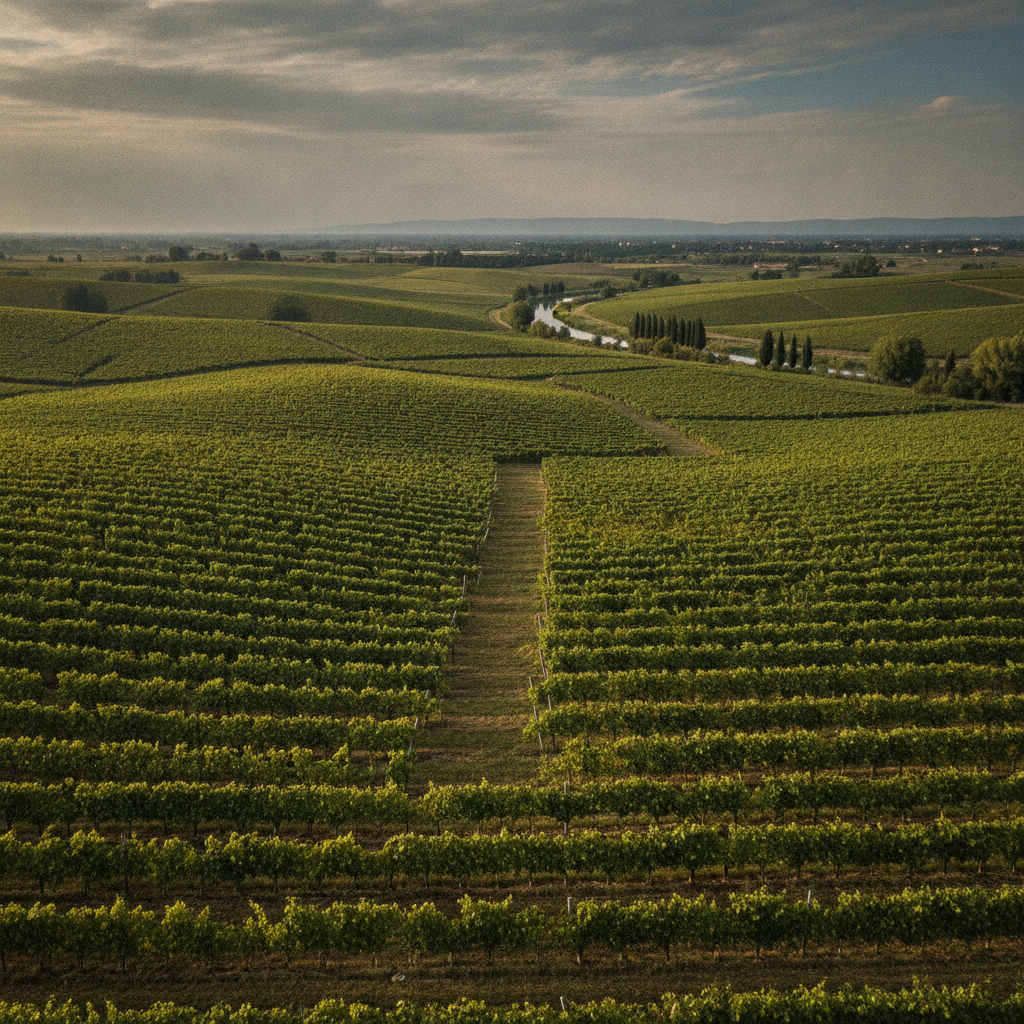
The province of Mantua, located in the southeast of Lombardy and influenced by rivers like the Po, boasts a consolidated agricultural tradition and a growing interest in quality wines. Its flat landscape and specific microclimates favor the cultivation of various grape varieties.
Which appellations pertain to the province of Mantua?
Mantua's wine territory is partially covered by appellations that also extend into neighboring provinces. Specifically, the municipalities of Monzambano and Ponti sul Mincio, entirely within Mantua, and parts of Castiglione delle Stiviere, Cavriana, Solferino, and Volta Mantovana, fall within these areas.
Which grape varieties are cultivated in Mantua?
Native and international grape varieties are cultivated in the Mantuan territory, including Ancellotta, Barbera, Bonarda, Cabernet Franc, Cabernet Sauvignon, Chardonnay, and others. This varietal diversity allows for the production of a wide range of wine styles to satisfy international tastes.
How does Wines Export support Mantuan wineries?
Wines Export has identified significant potential in the Mantuan territory, including several local wineries in its portfolio. These companies, focused on quality and innovation, are ready to tackle exports with Wines Export's support.
Regulations and Characteristics of Mantuan Wines
Are there specific DOC or DOCG appellations for Mantua?
There is no exclusive DOC or DOCG for the entire province of Mantua. Wines produced in the area can fall under broader appellations or be marketed as IGT (Indicazione Geografica Tipica - Typical Geographical Indication).
Which appellations are relevant for Mantuan wines?
The municipalities of Monzambano and Ponti sul Mincio, entirely within the province of Mantua, are part of the Garda DOC. This appellation, which also includes areas in Verona and Brescia, permits the production of red, rosé, and white wines using specific grape varietals.
Which grape varieties are permitted in the Garda DOC for Mantuan wines?
For red Garda DOC wines, Merlot, Cabernet Sauvignon, Cabernet Franc, Carmenère, Corvina, Corvinone, Rondinella, Molinara, Ancellotta, Barbera, and Sangiovese are permitted. For white wines, Chardonnay, Sauvignon Blanc, Pinot Bianco, Pinot Grigio, Garganega, Trebbiano, and Riesling are used.
Why is it important to adhere to production regulations?
Strict adherence to DOC/DOCG regulations or IGT standards is crucial for regulatory compliance, product recognition, and value in foreign markets.
What International Buyers Seek: Export Requirements and Documentation
What are the fundamental requirements for international buyers?
International buyers seek reliability, consistent quality, and a competent commercial partner. Meticulous preparation of the product and documentation is essential to meet these expectations.
What documents are indispensable for wine export?
Every international shipment requires documents such as the Commercial Invoice, Packing List, Certificate of Origin, and depending on the market, Health/Phytosanitary and Insurance Certificates.
What is the function of the Commercial Invoice in export?
The Commercial Invoice, prepared by the exporter, details the product, quantity, value, and delivery terms, and is used by customs to calculate duties and taxes.
What does the Packing List indicate?
The Packing List describes the physical contents of each package, including number, type of packaging, weight, and volume, and must correspond to the Commercial Invoice.
Why is the Certificate of Origin important?
The Certificate of Origin attests to the country of origin of the product, which is fundamental for applying preferential duties or meeting specific importer market requirements.
What are the labeling requirements for export?
Labels must comply with the destination country's requirements. For example, for the United States, it is necessary to verify compatibility with TTB regulations before committing to availability.
Where can one find information on documentary and regulatory requirements for export?
The European Commission, through the Access2Markets platform, and ICE Agency guides provide detailed information on export requirements for specific countries.
Operational Strategies for Exporting Mantuan Wine
What marketing and sales materials are needed for export?
It is essential to have quality materials in English (or the target language): wine technical sheets, winery presentation, a clear price list with Incoterms and currency, and high-resolution images.