Guide to Wine Export for Wineries: Requirements and Foreign Markets
Wineries in the province of Massa-Carrara, although less internationally renowned, possess export potential that warrants capitalization. For foreign buyers interested in discovering authentic, high-quality wines, understanding the documentary requirements and market strategies is fundamental. This article provides an essential guide to navigating the import process, highlighting the unique characteristics of the Tuscan territory and the opportunities Wines Export can offer to facilitate access to global markets, ensuring compliance and commercial success. Further reading: Federdoc — National Confederation of Consorzia for the Protection of Italian Wine Designations.
What are the characteristics of the winemaking context in Massa-Carrara?
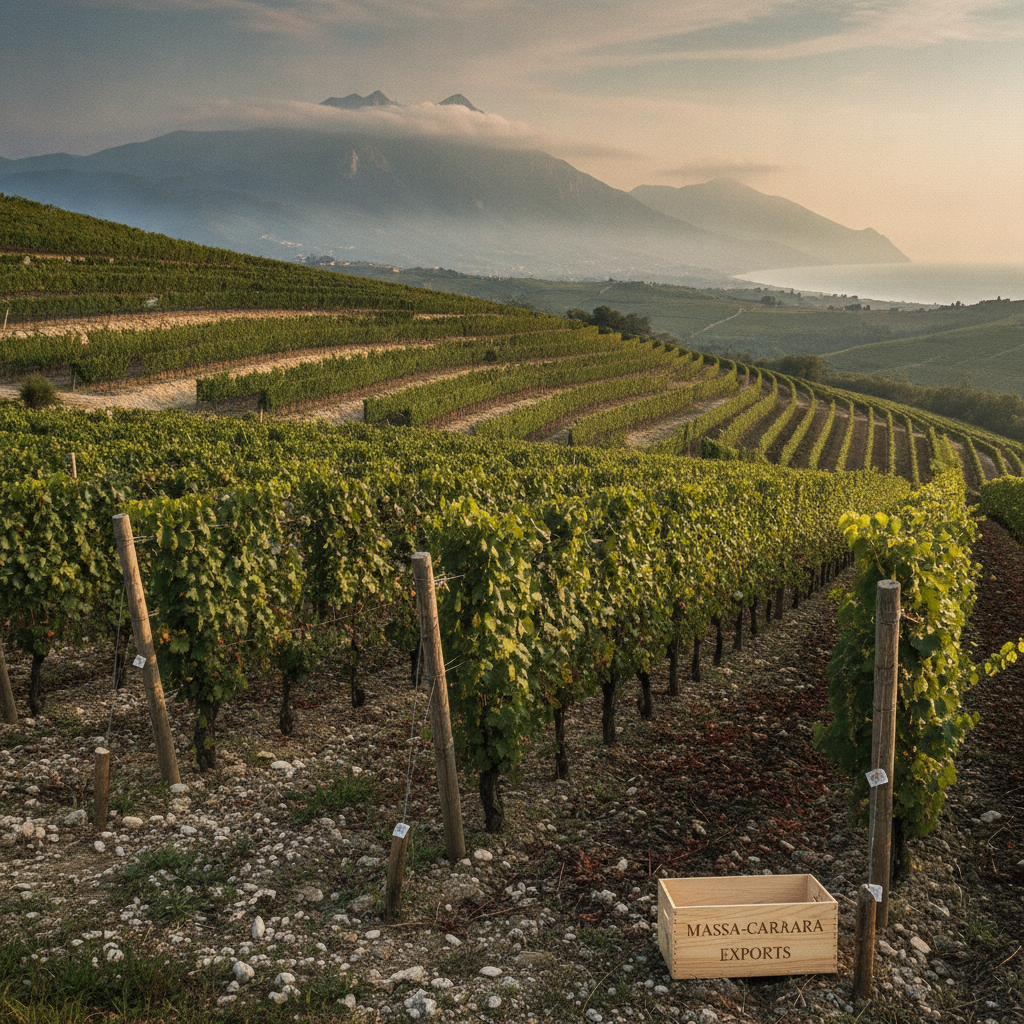
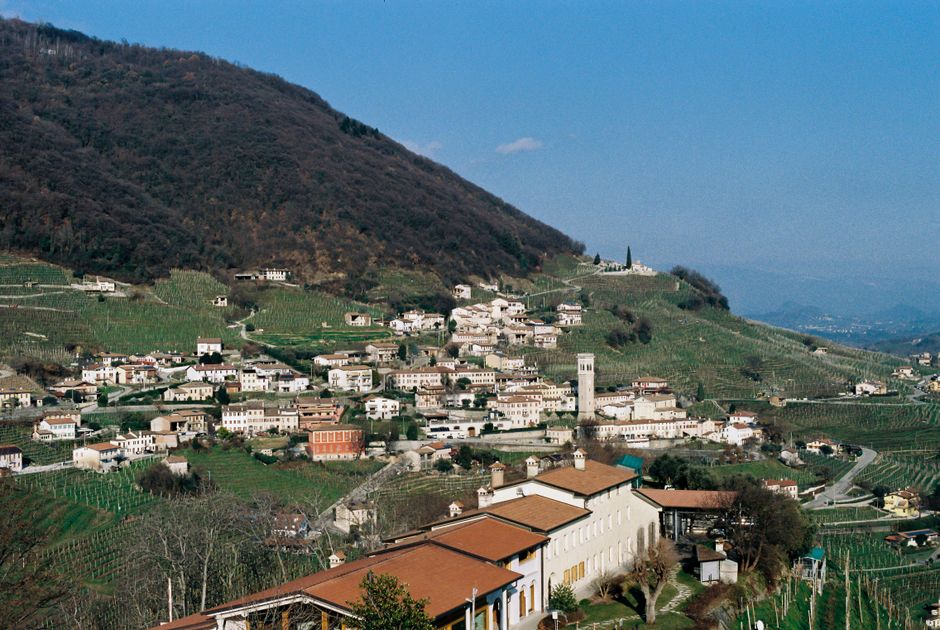
The province of Massa-Carrara, located in northwestern Tuscany, features a varied territory ranging from the coast to mountainous areas. This geographical diversity is reflected in a potential range of wines with distinct organoleptic profiles, offering a unique territorial identity that can attract buyers seeking novelty and authenticity in the Italian wine scene.
How is a foreign buyer qualified for wine export?
Qualifying a foreign buyer is a crucial step. It is necessary to verify their commercial and financial soundness, ensuring they possess the necessary licenses to import alcoholic beverages into their country, especially outside the EU. Bank references and an import history are valuable indicators for establishing a reliable and secure partnership.
What information must be included in a commercial offer for wine export?
The commercial offer, often formalized through a proforma invoice, must precisely detail the products (designation, vintage, bottle size), minimum order quantities (MOQ), unit prices, and currency. It must also specify the proposed Incoterm, serving as the basis for negotiation and for subsequent statistical and fiscal registrations, including the potential request for VAT refund on exports.
What are the key documents required for customs clearance of wine abroad?
While requirements vary by country, some documents are almost universally necessary for customs clearance. These include the commercial invoice (in English or French, with a declaration of authenticity), the packing list, the certificate of origin, the wine analysis certificate, and the insurance policy/certificate. It is essential to consult specific guides for each market and collaborate with the freight forwarder.
How to highlight the origin and quality of Tuscan wine for foreign buyers?
To attract foreign buyers, wineries in Massa-Carr
Frequently Asked Questions
Question 1
What are the fundamental documentary requirements for a foreign buyer wishing to import wine from the province of Massa-Carrara? To import wine, a foreign buyer generally needs to provide a commercial invoice, a packing list, a certificate of origin, a wine analysis certificate, and an insurance policy/certificate. It is essential to verify specific guides for each destination market.
Question 2
How can a foreign buyer verify the commercial and financial soundness of a winery for wine export? Qualifying a foreign buyer involves verifying their commercial and financial soundness, ensuring they possess the necessary licenses to import alcoholic beverages. Bank references and an import history are useful indicators for establishing a reliable partnership.
Question 3
What specific information should be included in a commercial offer for wine export from Tuscany? A commercial offer, often a proforma invoice, should include precise product details such as designation, vintage, and bottle size, along with minimum order quantities (MOQ), unit prices, and currency. It is also important to specify the proposed Incoterm.