Matera Wineries: A Guide to Exporting Italian Wines
The province of Matera, located in Basilicata, boasts growing wine potential ready for international markets. For Lucanian wineries looking to export, understanding the territory's specificities, industry regulations, and the demands of foreign buyers is crucial. This article provides a guide for Matera wineries, analyzing export opportunities and challenges, focusing on local peculiarities and available data to facilitate their global success. Read more: Federdoc — National Confederation of Italian Wine Denomination Protection Consortia.
What is the Wine Potential of the Matera Territory?
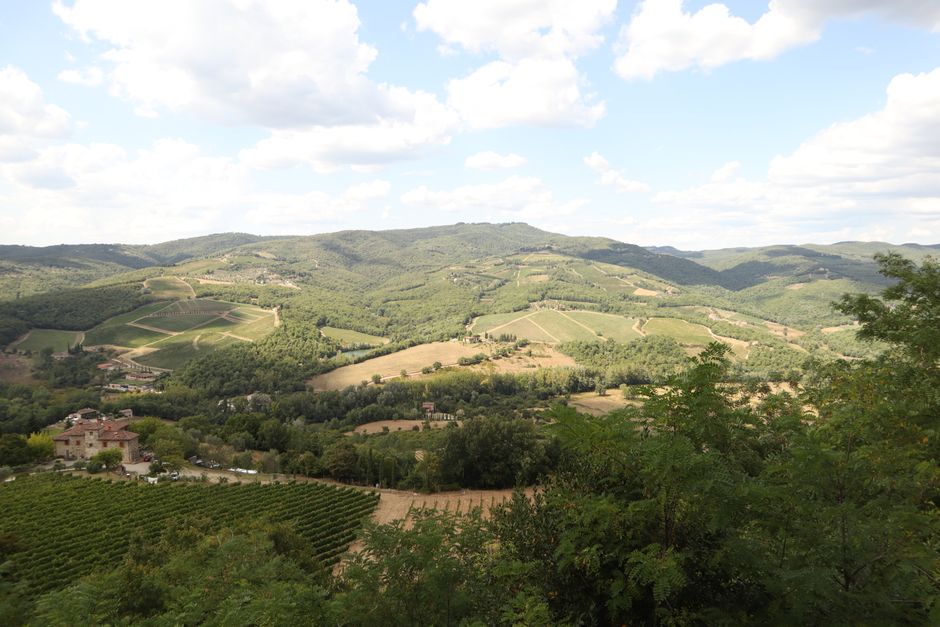
Basilicata, and particularly the province of Matera, possesses an ancient enological heritage, rooted in indigenous grape varietals that impart a unique and distinctive character to its wines. The Mediterranean climate with continental influences is ideal for cultivating quality grapes. This context offers authenticity and tradition that can attract foreign markets seeking genuine, niche products.
How Do European Regulations Affect the Export of Matera Wine?
European regulations, such as those concerning Protected Designation of Origin (PDO), impose precise rules for wine production and labeling. Grapes and wines must adhere to specific production guidelines to earn these designations, ensuring quality and origin. The possibility of exporting grapes from the wine region to delimited areas for the production of PDO wines suggests a degree of regulatory flexibility, which must not compromise the surveillance of quality standards.

How to Qualify a Foreign Buyer for Wine Export?
Before negotiating, it is essential to verify the solidity and reliability of the potential importer. This includes checking their VAT number or commercial registration, their license to import alcoholic beverages (crucial in non-EU markets), bank or commercial references, and their import history of Italian products. A credit risk analysis can prevent unpleasant surprises.
What Information Should a Commercial Offer for Wine Export Contain?
The winery sends a proforma invoice detailing the products (denomination, vintage, bottle size), minimum order quantities (MOQ), unit prices and currency, proposed Incoterms, and payment terms. The proforma serves as the basis for negotiation, which may lead to modifications before the final order confirmation.
What Are the Essential Documents for International Wine Shipments?
Every international shipment requires a package of essential documents. Among the most important are: Commercial Invoice (with product description, quantity, value, Incoterm, customs HS code), Proforma Invoice (outlines order terms), Packing List (describes the physical contents of each package), Certificate of Origin (attests to the goods' provenance), and Insurance Policy/Certificate (covers the cargo). The exact list may vary by market.
How Does Wines Export Support Italian Wineries in Export?
Wines Export actively collaborates with Italian wineries to facilitate their entry and growth in international markets. Partner companies have already undergone or are undergoing the internationalization process, acquiring operational and commercial expertise. The network brings together businesses with diverse specializations, offering a varied range to meet different market needs.
What Characteristics Do Foreign Buyers Look for in Italian Wine?
International buyers seek products that offer quality, authenticity, and uniqueness. They are attracted to recognized denominations and indigenous grape varietals, consistent quality, reliability, traceability, and sustainability. They also appreciate good value for money and authentic stories tied to the territory. Matera wineries, with their indigenous grapes, have untapped potential in this regard.
What Are the Main Challenges and Opportunities for Matera Wineries in Export?
Matera wineries face less international recognition compared to other regions, but this can translate into an opportunity to position themselves as niche producers. ICE guides and resources like Access2Markets are valuable tools for understanding the specific requirements of each market. Collaboration with reliable logistics partners and knowledge of export procedures are crucial.
Frequently Asked Questions
How can I verify the reliability of a foreign wine importer?
It is advisable to check their VAT number or commercial registration, their alcoholic beverage import license, bank or commercial references, and their import history of Italian products.
What are the indispensable documents for exporting wine from Italy?
Essential documents include the Commercial Invoice, Proforma Invoice, Packing List, Certificate of Origin, and Insurance Policy/Certificate, although the exact list may vary by market.
Where can I find information on the specific requirements for exporting wine to a foreign market?
Tools like the ICE guide and Access2Markets resources are valuable for understanding the labeling regulations and specific customs documentation for each country.
Do you own a winery in Matera and wish to expand your presence in international markets? Wines Export offers comprehensive support to guide you through every stage of the export process, from buyer qualification to documentation management.
Discover how we can help you export your wine.