Italian Wine in Milan: Strategies for the International Market
Milan is establishing itself as a strategic hub for Italian wine exports, offering a unique ecosystem for wineries targeting international markets. Its central logistical position, international outlook, and the presence of world-renowned events make it a privileged starting point. This article explores export opportunities linked to the Milanese territory, analyzing the role of events like Milano Wine Week and providing practical guidance for wineries, with a focus on the entities within our export pool operating in this province. In-depth look: Federdoc — National Confederation of Italian Wine Protection Consortia.
Why is Milan a Strategic Hub for Italian Wine Abroad?
The province of Milan, now the Metropolitan City, represents a crucial node for the Italian economy and for enogastronomic exports. Its strength lies in its ability to attract, aggregate, and promote enogastronomic excellences from all over Italy, offering a unique ecosystem for wineries looking abroad.
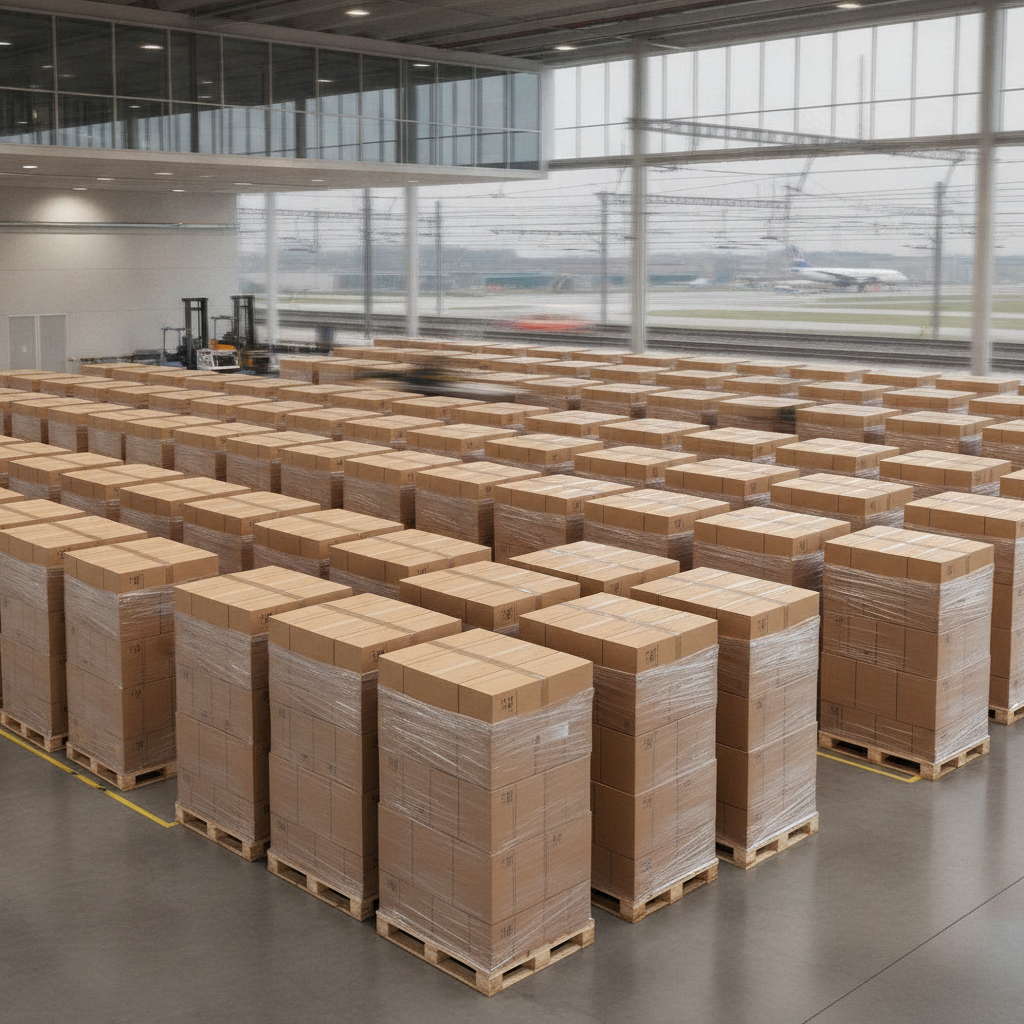
Milan offers fundamental logistical and commercial centrality for transport and distribution networks, facilitating the management of export logistics. The city serves as an international showcase, attracting operators, buyers, and opinion leaders from around the world. Furthermore, it boasts an export support ecosystem with services dedicated to internationalization, including ICE-Agency offices and chambers of commerce. Historically, Milan has always played a role in aggregating and marketing wines from various origins, a vocation reflected in its function as an export platform.
How Does Milano Wine Week Support Wineries in Export?
Milano Wine Week (MWW) has established itself as an important event in the Italian enological landscape, with an innovative format that engages the city and expands its professional and international component. For wineries looking to export, MWW represents a strategic opportunity.
Participation in MWW enhances visibility and reputation among international operators. Events such as the Wine Business Forum and Wine Business City offer targeted B2B meetings. The International Program has connected Milan with key cities like New York, Dallas, London, Shanghai, and Tokyo, enabling simultaneous tastings and virtual meetings. Tools like the Wine List Italia guide offer visibility to top labels, and the Milano Wine Week Awards highlight foreign markets attentive to Italian wines. MWW functions as a complementary channel to more structured B2B appointments, creating connections that can translate into export opportunities.
What Do Foreign Buyers Look For Before Finalizing a Deal?
When a winery approaches a foreign buyer/importer, it is essential to follow a well-defined operational path to ensure professionalism and reduce risks. This process is divided into several crucial phases for the successful conclusion of an export agreement.
Before negotiating, it is crucial to verify the solidity and reliability of the potential partner. This includes checking VAT registration/commercial registration, alcohol import licenses, bank or trade references, and import history. A preliminary credit risk analysis is essential to avoid future defaults.
The winery sends a proforma invoice detailing products, minimum order quantity (MOQ), prices, and the proposed Incoterm. This document is the basis for negotiating contractual terms. It is indispensable to have promotional material in English, such as technical data sheets, company presentations, and price lists (FCA/FOB). It is also important to verify the compatibility of labels with the destination market's regulatory requirements before confirming availability.
Each shipment requires a package of essential shipping documentation for transport, customs clearance, and regulatory compliance. These include the commercial invoice, packing list, and, depending on the market, certificates of origin or other specific documents. The winery must always check the updated documentation list with the freight forwarder or through ICE country guides. It is important to clarify the market coverage (HORECA or retail) with the distributor and verify any existence of state monopolies. Selecting a rigorous distributor is fundamental to defending the leadership of Italian wine in international markets.
How Does Wines Export's Export Pool Support Milanese Wineries?
Wines Export actively supports wineries in their internationalization journey. Within the Metropolitan City of Milan, our export pool includes wineries ready to conquer new markets, benefiting from targeted support.
Our support focuses on identifying the most promising markets through market analysis and strategic consulting. We help structure the export offering, supporting in the preparation of commercial materials, price lists, and defining sales conditions. We offer assistance in navigating bureaucratic complexity, managing the necessary documentation for export and compliance with international regulations. Finally, we facilitate connection with qualified buyers through B2B meetings and participation in strategic events. The presence of these wineries in our network testifies to the vitality of Milan's wine sector.
Frequently Asked Questions
What are the main logistical advantages of Milan for wine export?
Milan's geographical position makes it a fundamental hub for transport and distribution networks, both nationally and internationally, facilitating the management of export logistics.
What types of events in Milan are useful for wineries looking to export?
Events such as Milano Wine Week, with its Wine Business Forum and Wine Business City, offer opportunities for targeted B2B meetings and increase visibility among international operators.
What documents are essential for shipping wine abroad?
Essential documents include the commercial invoice, packing list, and, depending on the market, certificates of origin or other specific documents. It is crucial to check the updated documentation list with the freight forwarder or through ICE country guides.
For wineries wishing to explore export opportunities and understand how to best leverage their potential in international markets, Wines Export offers personalized consulting.