Monza and Brianza Wines: Abroad Sales Opportunities for Wineries
The province of Monza and Brianza, while not a traditional wine region, offers niche oenological potential for export. Understanding territorial specificities, documentary requirements, and market opportunities is crucial for wineries aiming to expand their international presence. This article provides a comprehensive guide for the province's wine businesses, focusing on export dynamics and strategies to enhance quality products and uniqueness. In-depth information: Federdoc — National Confederation of Italian Wine Protection Consortia.
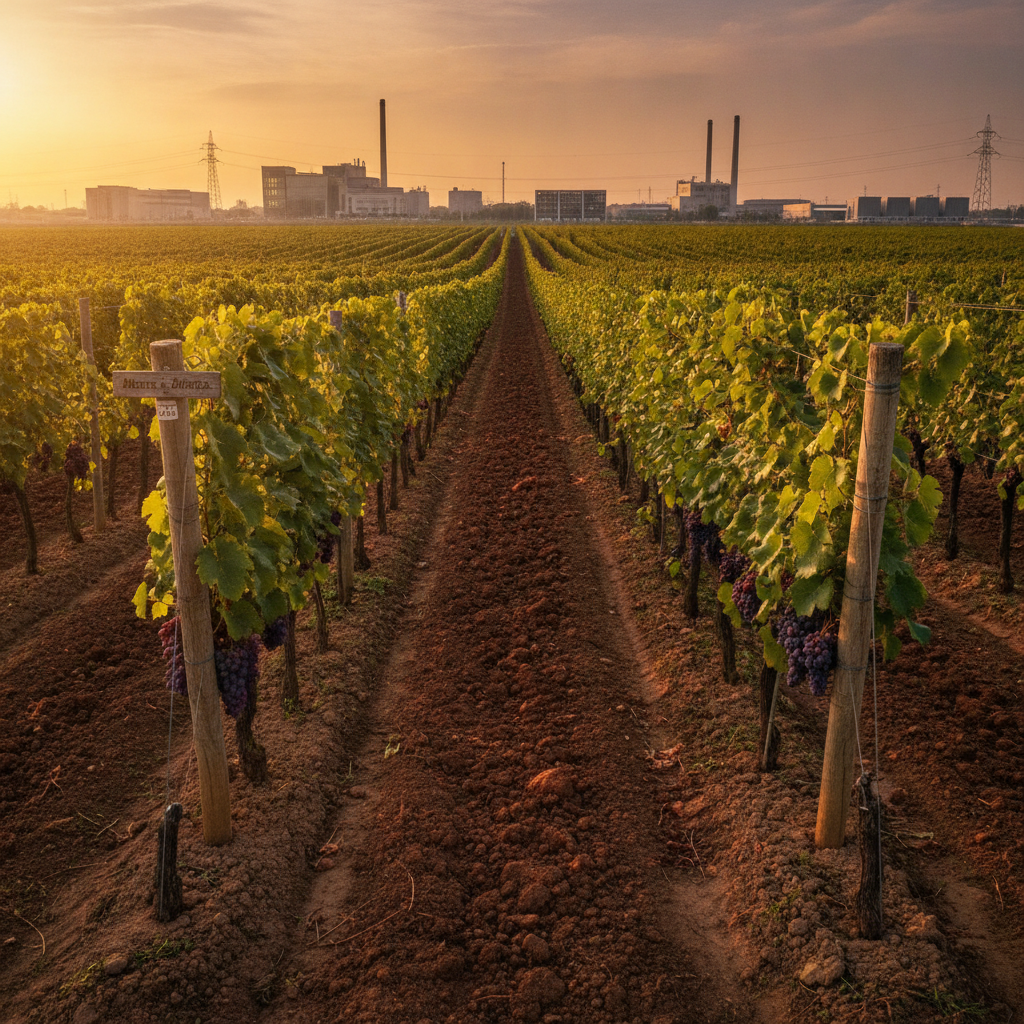
The Oenological Context of Monza and Brianza
What is the oenological context of the province of Monza and Brianza?
The province of Monza and Brianza, located in Lombardy, features a predominantly flat landscape and a strong industrial and service-based economy. Viticulture here is often a niche production, linked to indigenous grape varieties or small land plots. Its proximity to Milan and a dynamic economic fabric can benefit wineries focused on quality and innovation.
The history of wine in these areas is less documented compared to more established wine regions. However, small, quality productions, perhaps linked to local grape varieties or territorial interpretations of well-known grapes, can find a niche market abroad. The challenge for local wineries is to leverage these specificities, communicating their uniqueness and quality to international markets.
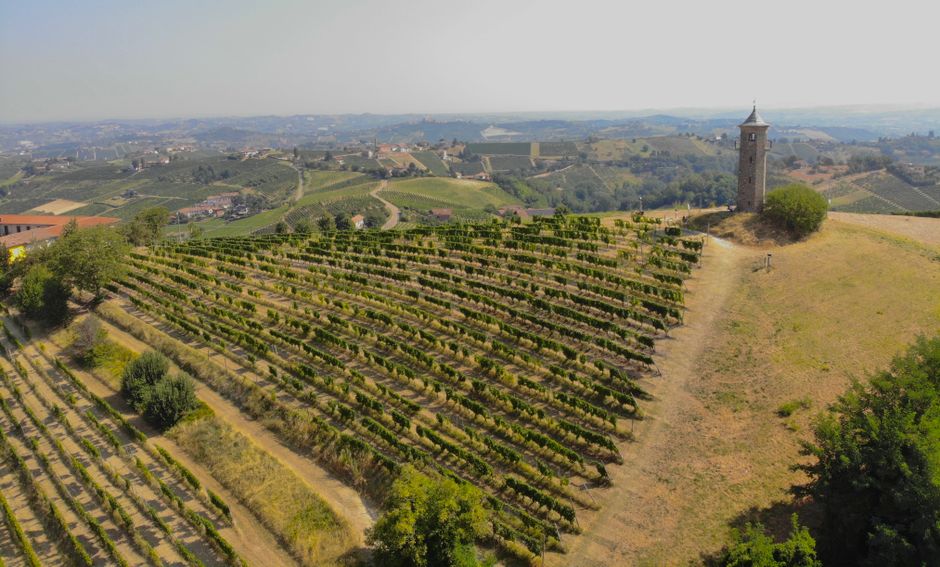
The Export Journey: From Negotiation to Delivery
How is the wine export process managed?
Wine export is a complex process that requires planning and knowledge of international regulations. For a winery in the province of Monza and Brianza looking to enter foreign markets, it is essential to understand the different stages of the operational flow, from buyer search to final delivery.
Phase 1: Buyer Contact and Qualification
How to identify and verify potential foreign buyers?
The first step is to identify and qualify potential buyers or foreign importers. It is crucial to verify their financial solvency, their licensing for importing alcoholic beverages (especially in non-EU markets), and their commercial references. A credit risk assessment, supported by services like SACE, can prevent non-payment.
Phase 2: Commercial Offer and Negotiation
What information should be included in an export commercial offer?
Once a promising contact is established, the winery will send a proforma invoice. This preliminary document must contain precise details about the products (name, vintage, bottle size), minimum order quantities (MOQ), unit prices, and the agreed-upon currency. The definition of the proposed Incoterm, which establishes responsibilities, costs, and risks, is also crucial.
Phase 3: Customs Documentation and Certifications
What documents are necessary for wine export?
Every export requires specific customs documents and certifications, which vary by country. Among the most common are the import customs declaration, the commercial invoice, the customs value declaration, and transport insurance. It is essential that these documents are consistent with the information on the label (lot number, producer, volume, alcohol content).
European regulations on wine labelling (Regulation (EU) 2021/2117) establish minimum requirements, but individual countries may impose additional obligations, such as translations or health claims. The ICE guide offers valuable support for navigating these complexities, with dedicated fact sheets for each market.
Phase 4: Logistics and Shipping
How to manage wine logistics and international shipping?
The choice of Incoterm will influence logistics management. Whether it's EXW (Ex Works) or DDP (Delivered Duty Paid), it is essential to clearly define responsibilities. The insurance policy or certificate becomes fundamental if the delivery term includes it (e.g., CIF/CIP) or if the winery chooses to cover the shipment.
Collaborating with experienced freight forwarders and meticulously verifying the updated documentary checklist with local customs authorities or through ICE guides are final operational recommendations to avoid delays or problems during transit.
Frequently Asked Questions
What are the characteristics of the oenological context of the province of Monza and Brianza for export?
The province of Monza and Brianza, while not a traditional wine region, presents a niche oenological context, often linked to indigenous grape varieties or small quality productions. Its proximity to Milan and a dynamic economic fabric can benefit wineries focused on quality and innovation, with potential for foreign markets that value uniqueness and quality.
What are the key steps to manage wine export from the province of Monza and Brianza?
Wine export requires managing several phases: identifying and qualifying potential foreign buyers by verifying their financial solvency and licenses, sending a detailed commercial offer with a proforma invoice and defining the Incoterm, preparing customs documentation and specific certifications for the destination country, and finally managing international logistics and shipping.
What documents are essential for wine export and how is customs documentation managed?
For wine export, customs documents such as the import customs declaration, the commercial invoice, and the customs value declaration are necessary, and they must be consistent with the information on the label. European regulations on labeling establish minimum requirements, but individual countries may impose additional obligations, making it essential to consult guides like those from ICE to navigate these complexities.